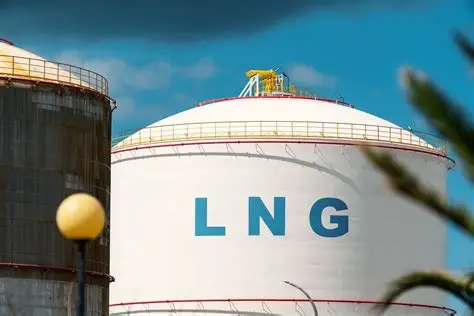
Nigeria is set to benefit from rising global gas prices following the decision by QatarEnergy, the world’s largest liquefied natural gas (LNG) producer, to suspend production after military drone attacks targeted key energy facilities in Qatar.
The halt in production has triggered a sharp spike in global energy prices, with benchmark European and Asian gas markets recording significant increases shortly after the announcement.
“Due to military attacks on QatarEnergy’s operating facilities in Ras Laffan Industrial City and Mesaieed Industrial City in the State of Qatar, QatarEnergy has ceased production of liquefied natural gas (LNG) and associated products,” the company said in a statement.
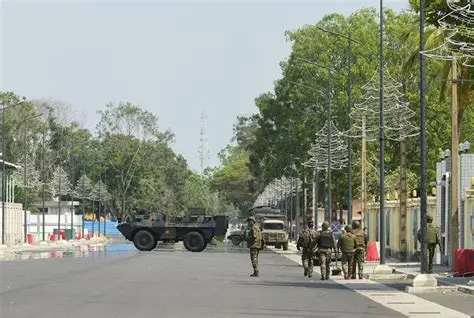
The crisis began after Qatar’s Defence Ministry confirmed that two drones allegedly launched from Iran struck strategic infrastructure.
“One drone targeted a water tank belonging to a power plant in Mesaieed and the other targeted an energy facility in Ras Laffan Industrial City belonging to QatarEnergy, without reporting any human casualties,” officials said.
Following the disruption, global gas markets reacted strongly. Benchmark Dutch and British wholesale gas prices surged by nearly 50 per cent, while Asian LNG prices climbed by about 39 per cent. The Dutch TTF gas contract, a key European pricing benchmark, rose by more than 25 per cent, reaching 39.40 euros per megawatt hour (MWh) by 11:31 GMT. Meanwhile, the S&P Global Japan-Korea Marker (JKM) LNG price benchmark rose to $15.068 per million British thermal units (MMBtu).
Energy analysts say Nigeria, one of the world’s major LNG exporters, could record short-term gains from the supply disruption. However, they warned that structural market constraints may limit long-term benefits.
Former President of the Nigerian Liquefied Petroleum Gas Association (NLPGA), Mr. Dayo Adeshina, said Nigeria could benefit from premium pricing in Western markets. “There could be some short-term gains for Nigeria, especially for markets in Europe and the United States,” he said.
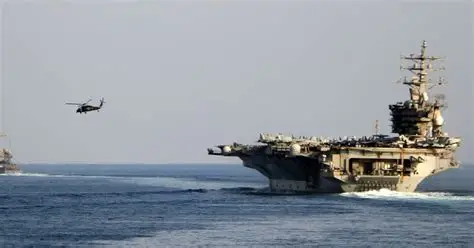
He explained that Asian LNG markets may remain difficult to access due to rising security risks around major shipping routes such as the Strait of Hormuz and the Suez Canal-Bab el-Mandeb corridor. “Some spot sales could also provide opportunities for Nigeria to make quick gains from the Middle East crisis,” he added.
However, Adeshina noted that most Nigeria LNG (NLNG) contracts are long-term agreements. “Breaching those contracts for short-term gains may be difficult,” he said.
Chairman of the Society of Petroleum Engineers (SPE) Nigeria Council, Mr. Francis Nwaochei, also said Nigeria’s immediate advantage lies in higher gas prices. “The quickest win for Nigeria at the moment is in the area of gas prices which have gone up due to current hostilities,” he said.
He added that Nigeria could benefit from pricing adjustments embedded in existing supply agreements. “They could have clauses in their contracts that allow price adjustments when global gas prices spike. Through that, they could make some gains,” he said.
Despite the potential opportunities, analysts stressed that Nigeria must balance short-term revenue prospects with long-term contractual obligations to maintain investor confidence and market stability.