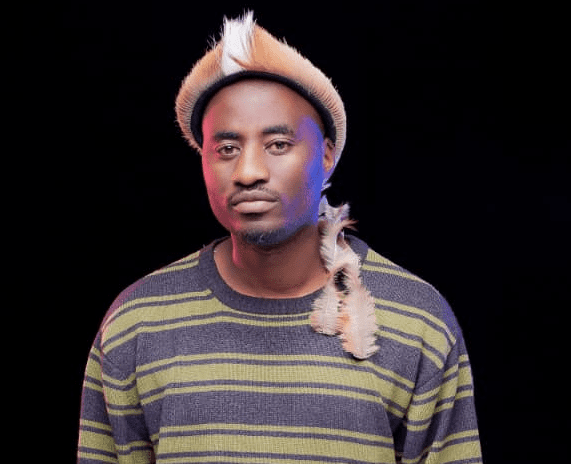

Zimbabwean singer Kae Chaps( born Kudakwashe Chapepa) has opened up about the mistreatment artists sometimes face from promoters, particularly those who are new and inexperienced in the music industry.
Speaking during an interview with DJ Ollah 7, the musician reflected on his early days performing during the COVID-19 lockdown, when many artists turned to small indoor shows to keep their careers alive.
“I started doing shows during the lockdown days, mostly indoor shows,” he said.
According to Kae Chaps, the period exposed many upcoming artists to unfair treatment from some promoters who took advantage of their lack of industry experience.
He said that in some cases artists found themselves in uncomfortable situations but felt they had little choice but to accept the conditions.
“We used to stay in the studio against our will. I ended up accepting the situation as it was. Ndakazongoti ndozviripo,” he said.
His remarks come amid growing conversations within the entertainment industry about the need for better protection of artists and more professional relationships between promoters and performers.
During the same interview, Kae Chaps also revealed that the only local artists he regularly listens to are Jah Prayzah, Takura and Holy Ten.
The comment quickly sparked debate on social media, with some fans questioning why he did not mention other Zimbabwean musicians they believe deserve recognition. Supporters of several artists argued that the country has many talented performers across different genres who should also be acknowledged.
However, others defended Kae Chaps, saying he was merely sharing his personal listening preferences rather than ranking the best artists in Zimbabwe.
They argued that every musician has their own taste in music, and mentioning a few names does not necessarily mean he does not appreciate the rest of the industry.
The moment has since triggered broader discussions about Zimbabwe’s diverse music landscape and the strong loyalty fans have toward their favourite artists.
For Kae Chaps, however, the interview also served as a reminder of the challenges many artists face behind the scenes, particularly during the early stages of their careers when they may lack the experience or support needed to navigate the business side of the music industry.