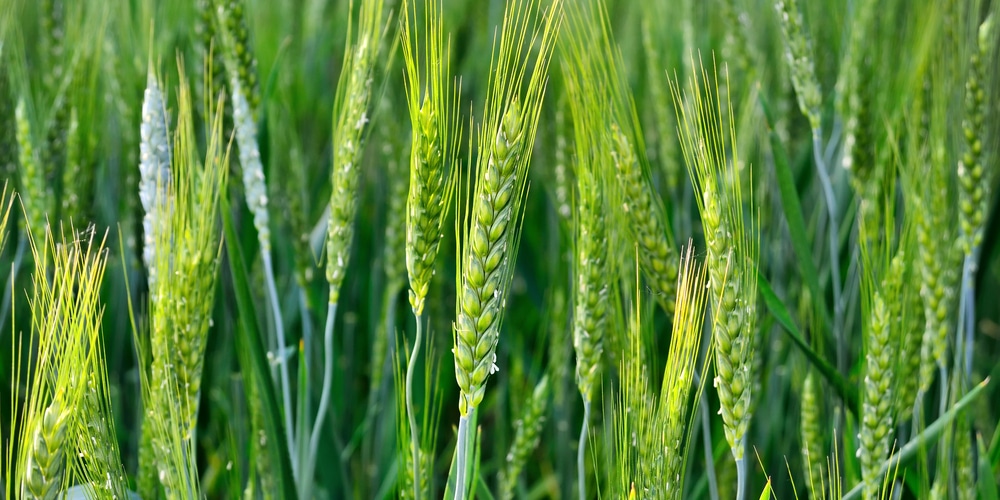
Zimbabwe is edging closer to wheat self-sufficiency after planting 118,185 hectares of winter wheat, representing 94.5 percent of its national target of 125,000 hectares, with the anticipated harvest expected to surpass domestic demand and maintain food security.
In a statement on Saturday, the Ministry of Agriculture, Mechanisation and Water Resources Development said the winter cropping programme was progressing well across the country, with farmers having planted the bulk of the targeted area ahead of the close of the planting season.
“Mashonaland West has planted 30,112 hectares, followed by Mashonaland Central with 24,763 hectares and Mashonaland East with 24,601 hectares. The remaining provinces have collectively planted 38,709 hectares,” the ministry said.
The ministry said some provinces had already surpassed their wheat planting targets, highlighting strong participation by farmers and continued momentum in the winter cropping programme.
“Zimbabwe has planted 118,185 hectares of winter wheat, reaching 94.5 percent of the national target of 125,000 hectares. Manicaland and Midlands provinces have exceeded their respective targets,” the ministry noted.
The ministry indicated that if the 125,000-hectare target is fully attained, Zimbabwe is projected to harvest approximately 662,500 tonnes of wheat. The anticipated output would surpass the country’s annual wheat requirement of about 605,000 tonnes.
“The projected production of around 662,500 tonnes would be above the national annual requirement of approximately 605,000 tonnes,” the ministry said.
The expected surplus would reinforce Zimbabwe’s drive towards wheat self-sufficiency, reducing reliance on imports and easing pressure on foreign currency expenditure used to procure grain from international markets.
The strong planting performance comes as Government continues to prioritise agricultural productivity under programmes aimed at boosting national grain reserves and improving resilience against climate-related challenges affecting summer cropping.