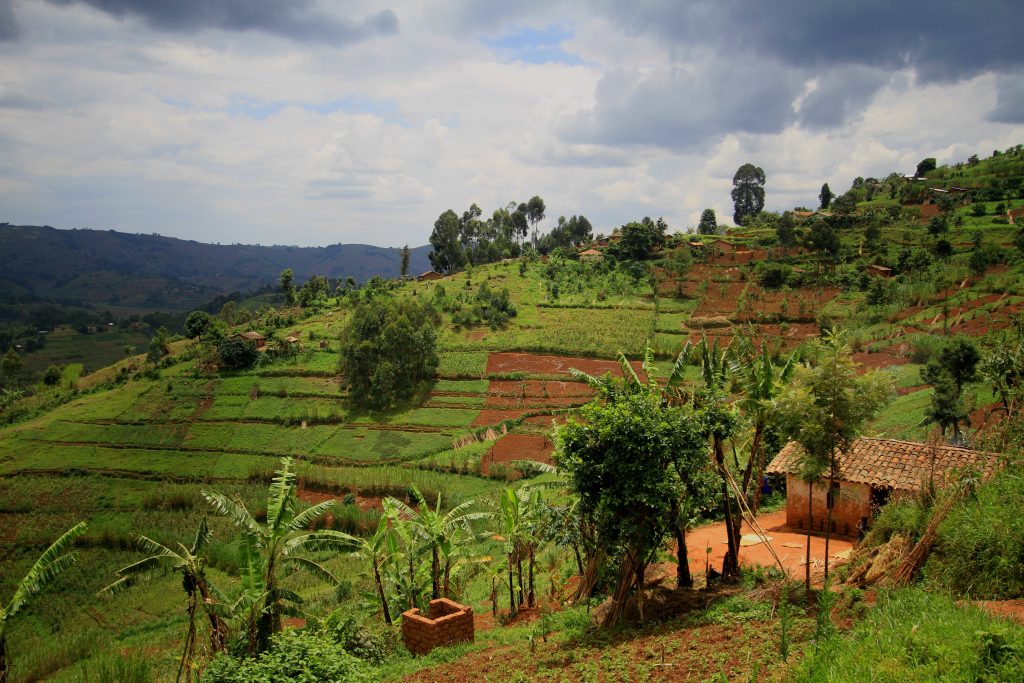
Zimbabwe is taking bold steps to promote agro-tourism, a fast-emerging concept that blends agriculture and tourism to create new opportunities for economic growth, environmental sustainability, and rural empowerment. The initiative is part of Government’s broader drive to diversify the tourism sector while revitalising agriculture as a source of both livelihood and leisure.
Agro-tourism transforms the traditional perception of farming, turning it into an engaging and profitable experience for both local and international visitors. The model allows tourists to visit farms, learn about agricultural practices, enjoy recreational activities, and purchase fresh produce directly from farmers. This approach not only enhances the tourism experience but also ensures that farming becomes a year-round income-generating activity, contributing to rural development and national economic growth.
In an interview with the media yesterday, Minister of Tourism and Hospitality Industry, Barbara Rwodzi, emphasised that agro-tourism represents a “low-hanging fruit” for economic transformation, particularly in rural areas.
“Agriculture and eco-tourism are two of the most promising sectors for sustainable development in Zimbabwe and Africa. The central philosophy is to use agriculture to promote eco-tourism, and vice versa. The integration of agriculture and tourism has enriched rural tourism development, creating a diverse range of rural tourism products and services. For example, new types of businesses have emerged, such as national agricultural parks, leisure farms, rural camps, rural museums, and rural homestays,” said Minister Rwodzi.
Minister Rwodzi highlighted that by merging agriculture with eco-tourism, the Government envisions vibrant rural economies where farmers become not just producers but also hosts and educators.
“Agro-tourism enterprises are designed to offer visitors unique experiences such as farm tours, crop harvesting, animal care, traditional food preparation, and rural cultural exhibitions. These experiences promote appreciation for agriculture while providing farmers with additional income streams.
“Agro-tourism also opens the doors to allied industries such as hospitality, transport, crafts, and food processing, thereby creating a ripple effect that stimulates local economies. For young people and women in particular, the sector offers fresh opportunities for entrepreneurship and skills development in tourism management, hospitality, and agribusiness,” explained Minister Rwodzi.
Visitors to agro-tourism sites can also engage in recreational activities such as horse riding, fishing, hiking, and hunting, while enjoying authentic rural hospitality through homestays and farm lodges. This hands-on exposure helps reconnect people with nature and fosters a greater appreciation for where food comes from aligning perfectly with global trends toward sustainability and responsible travel.
The agro-tourism initiative supports Zimbabwe’s Vision 2030 and the National Tourism Recovery and Growth Strategy, both of which prioritise inclusive economic participation and environmentally sustainable growth. It also positions the country to attract eco-conscious travelers seeking immersive experiences that contribute to community development.
As agro-tourism gains traction, Zimbabwe is poised to become one of Africa’s leading destinations for rural adventure and sustainable tourism. The fusion of agriculture and tourism not only promises economic benefits but also reinforces the cultural and environmental heritage of the nation, proving that the future of farming can be as exciting as it is rewarding.