
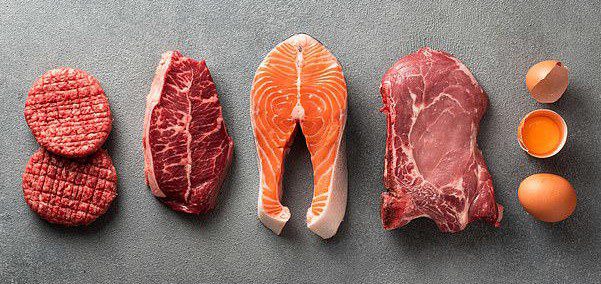
We’re constantly told to eat more protein, with many people — especially men — eating it at the exclusion of almost all other macronutrients, but experts warn that this advice is not only misleading, but potentially harmful.
It’s thought that around half of adults upped their protein intake in 2024, with the number of supermarket products with ‘added’ protein surging in recent years.
Furthermore, the global protein bar market is predicted to swell to a whopping £5.6billion by 2029, according to Fortune Business Insights.
At the same time, social media is awash with influencers advising viewers on how to boost their protein intake — with everyone from menopausal women, who are prone to muscle loss, to fitness enthusiasts targeted.
But according to Rob Hobson, a registered nutritionist and author of Unprocess Your Life, protein doesn’t work in isolation: carbohydrates and fats are just as important.
‘Whilst protein is essential for health, strength and maintaining muscles as we age, the reality is that most people are already getting more than enough’ he says.
‘On average, adults in the UK consume around 1.2g of protein per kilogram of bodyweight a day, which is already above government guidelines of 0.75g/kg/day,’ he added.
This means men should typically be consuming around 60g of protein a day and women around 54g, whilst anyone over the age of 50 should be aiming for closer to 1g per kilogram — because absorption decreases with age.
Too much of a good thing: the risks of eating too much protein
Protein is one of three essential macronutrients, along with carbohydrates and fats, that we need for growth, development and repair.
It’s found throughout the body as building block of every human cell—in muscle, bone, tissue, skin, hair and virtually every other tissue.
It makes up the enzymes which power biochemical reactions and is vital for the formation of hemoglobin which carries oxygenated blood around the body.
And whilst consuming enough is essential to stave off malnutrition, and preserve muscle mass and strength as we age, consuming too much could lead to a number of serious health complications including kidney stones, heart disease and even cancer.
‘The problem is that online messaging often takes these upper figures meant for small, specific groups and applies them universally.
‘But for the average person, there’s no evidence that going far beyond your individual needs provides extra health benefits and if anything, it may come at the expense of other key nutrients like fibre, vitamins and minerals,’ Hobson said.
Source: Daily Mail



That’s interesting