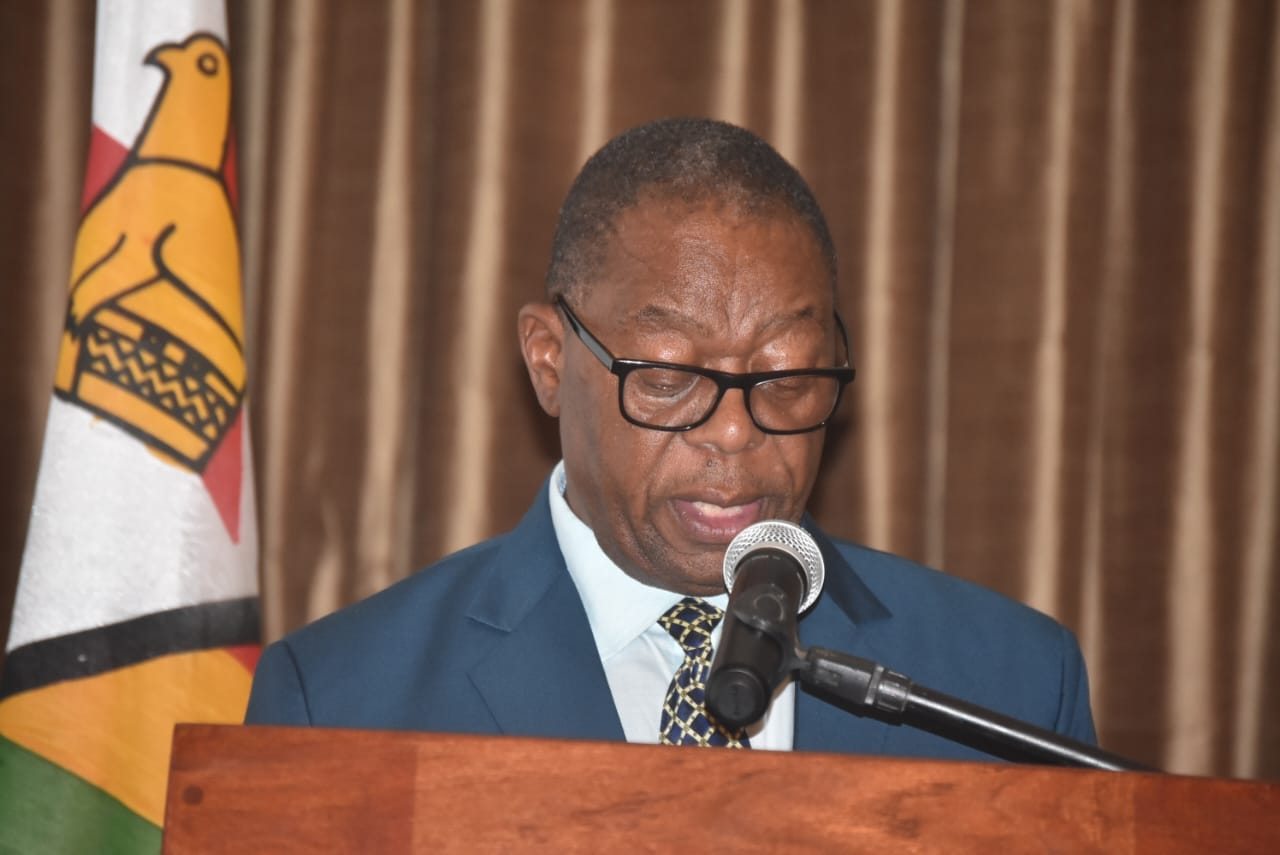
Zimbabwe is stepping up its response to tuberculosis (TB) as cases continue to rise, Health and Child Care Minister, Dr Douglas Mombeshora has said.
Speaking at the ongoing East, Central and Southern Africa Health Community (ECSA-HC) Health Ministers’ Conference in the Kingdom of Eswatini, Dr Mombeshora said the increase in TB cases remains one of the country’s major public health threats.
“Public health challenges currently facing the country include rising tuberculosis cases and malaria outbreaks, which underscores the continued importance of strong disease surveillance and response systems,” he said.
Despite fiscal constraints and the withdrawal of some donor support, Dr Mombeshora said Zimbabwe’s health system has remained resilient, allowing the continued delivery of essential services such as TB prevention, diagnosis and treatment.
“Zimbabwe has strengthened its domestic resource mobilisation, through mechanisms such as the AIDS Levy as well as earmarked health-related taxes, which provide funding for priority programmes.
“To further enhance financial protection, Zimbabwe is fast-tracking the National Health Insurance Scheme,” he added.
Dr Mombeshora noted that access to essential medicines for TB, HIV and malaria programmes remains largely stable.
He added that Government is also recapitalising the National Pharmaceutical Company (NatPharm) to improve local procurement capacity and reduce vulnerability to external supply disruptions.
“Access to essential medicines is improving, and supplies for HIV, TB and malaria are largely stable. The recapitalisation of NatPharm will further strengthen local procurement and ensure continuity of supply,” he said.
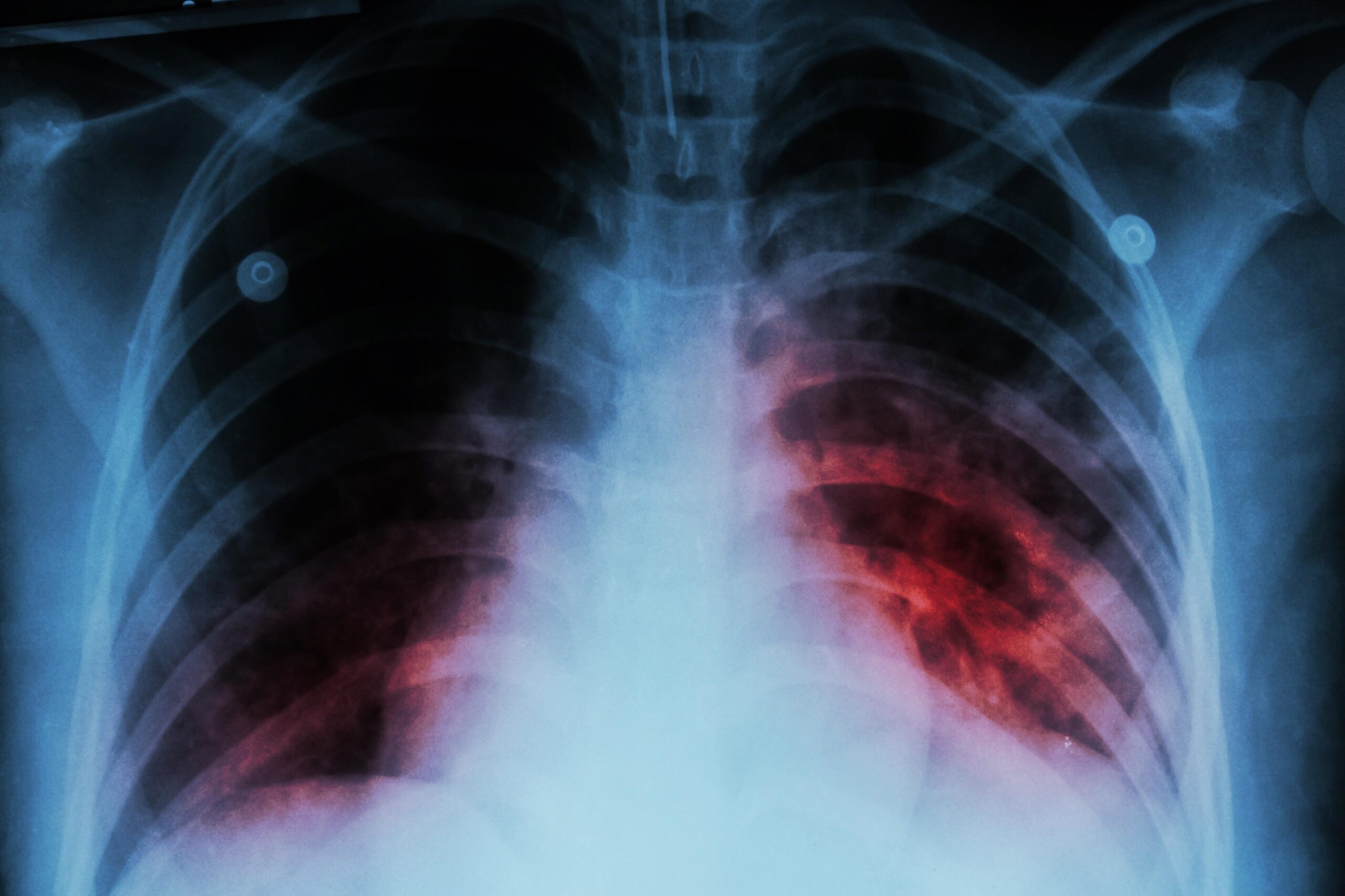
Globally, tuberculosis continues to affect millions of people. In 2021, an estimated 10.6 million people developed TB and about 1.6 million died from the disease, making it the ninth leading cause of death worldwide, ahead of HIV/AIDS. In Zimbabwe, an estimated 29,945 people developed active TB in the same year, but only 16,541 were diagnosed and placed on treatment. Children remain particularly underdiagnosed, accounting for just six percent of reported cases over the past four years.
Despite these challenges, Government says it is intensifying efforts to combat TB through strengthened surveillance, expanded access to treatment and sustained investment in health services.