
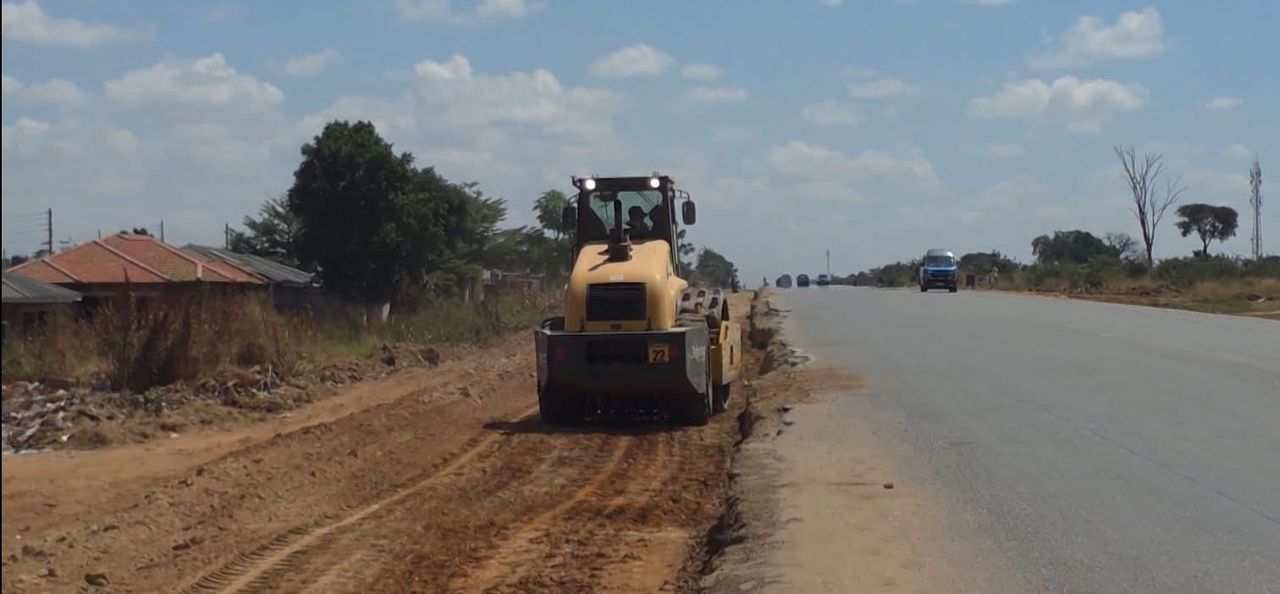
Rehabilitation of the Chitungwiza Road linking the dormitory town to the Trabablas Interchange is now underway, in a development expected to ease the persistent traffic congestion that has long burdened motorists along the busy route.
For years, commuters have endured extensive delays, with some spending over two hours in traffic, especially during peak periods that stretch well into the evening.
“We are happy the road is being fixed. Sometimes we spend hours in congestion, but this initiative will allow us to reach home early, help our children with their homework, and see our wives on time,” said one motorist, expressing relief over the progress.
Public transport operators also noted that congestion has been disrupting service delivery and commuter schedules.
“We have been facing traffic congestion problems from the afternoon up until 10 pm. As transporters ferrying people to Eyecourt, the delays affect us because passengers arrive late,” said a local transporter.
Informal traders likewise highlighted the difficulties caused by gridlock, particularly when accessing markets or crossing the road safely.
“I sell across the road. The congestion is affecting me because after work, I find it difficult to cross the road, especially with my cart carrying products,” said one vendor.
Government has since intervened, with road-widening and resurfacing works now in progress to improve mobility and enhance safety along the corridor.
“We are happy with what we are witnessing. The road is being rehabilitated, making it easier for us to carry out our work without delays. We thank the Government for this initiative,” another road user said.
The project is part of the Second Republic’s broader national road infrastructure programme, which also encompasses major developments such as the Trabablas Interchange and the Harare–Masvingo–Beitbridge Highway.
Anchored under the National Development Strategy Two (NDS2), infrastructure development remains a key pillar as Zimbabwe advances toward its Vision 2030 aspiration of becoming an upper-middle-income economy.