
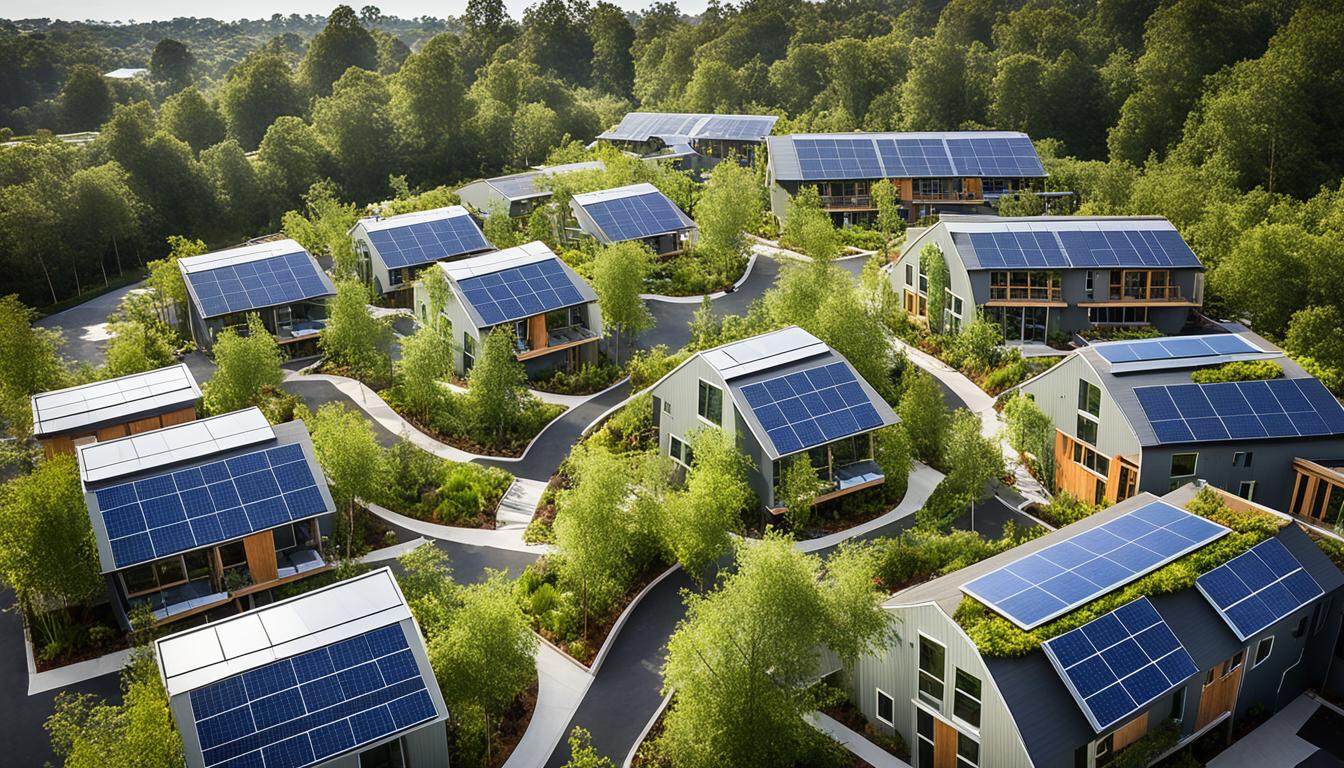
Zimbabwe has reaffirmed its commitment to advancing affordable housing and sustainable urban development at the First Session of the 2026 United Nations Human Settlements Programme Executive Board currently underway in Nairobi.
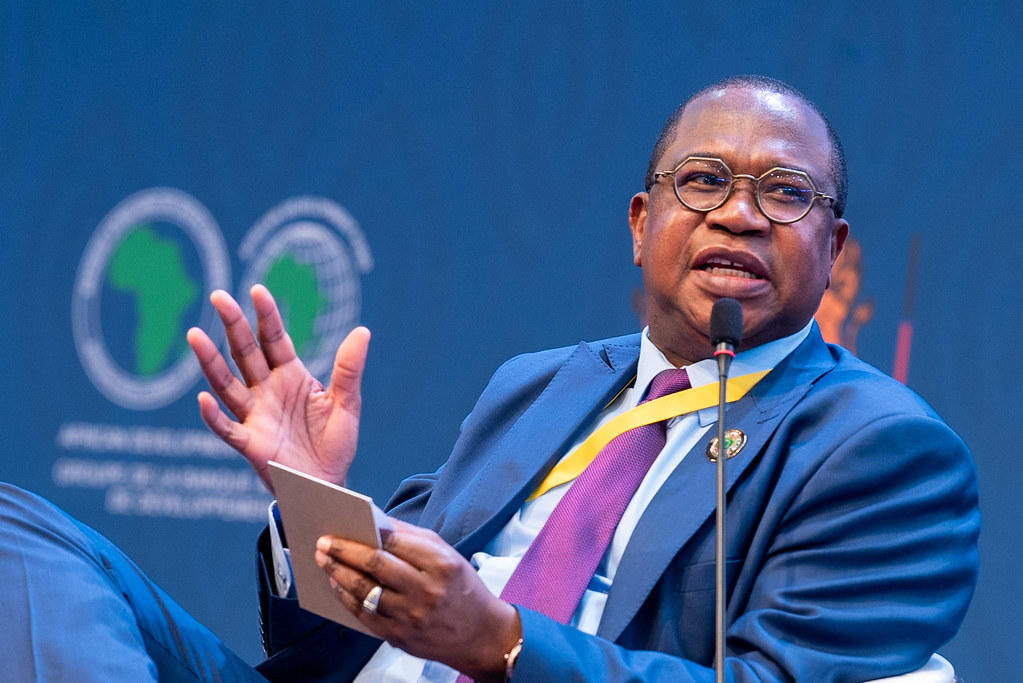
Representing the country, Minister of National Housing and Social Amenities, Paul Mavhima, highlighted the urgent need to scale up access to affordable housing while investing in sustainable social amenities.
“Zimbabwe remains committed to expanding access to affordable housing and developing sustainable social amenities that meet the needs of our growing urban population,” said Prof Mavhima.
He emphasised the importance of collective global action in addressing housing challenges.
“Developing countries must prioritise inclusive and resilient urban infrastructure, and this requires strong international cooperation and shared responsibility,” he said.
The meeting was officially opened by Germany, which currently chairs the Executive Board, with a call for constructive engagement among member states.
“Member states are encouraged to engage in focused and constructive dialogue to accelerate the delivery of adequate and affordable housing globally,” said the Chair.
Various reports were tabled during the session, including submissions from the ad hoc working group on programmatic, budgetary and administrative matters, as well as the Open-ended Intergovernmental Expert Working Group on adequate housing for all.
Zimbabwe is one of 36 member states serving on the UN-Habitat Executive Board, a body responsible for strengthening oversight, accountability and operational efficiency within the organisation.
“Zimbabwe is honoured to serve on the Executive Board and contribute to shaping global housing policies that reflect the realities of developing nations,” Prof Mavhima said.
Deliberations at the session are also focusing on the review of the organisation’s 2026–2029 Strategic Plan, which outlines key priorities and implementation frameworks for global urban development and housing delivery.
Together with Mozambique, Zimbabwe represents the Southern African region on the board, contributing to shaping policy direction and advancing regional priorities within the global housing agenda.
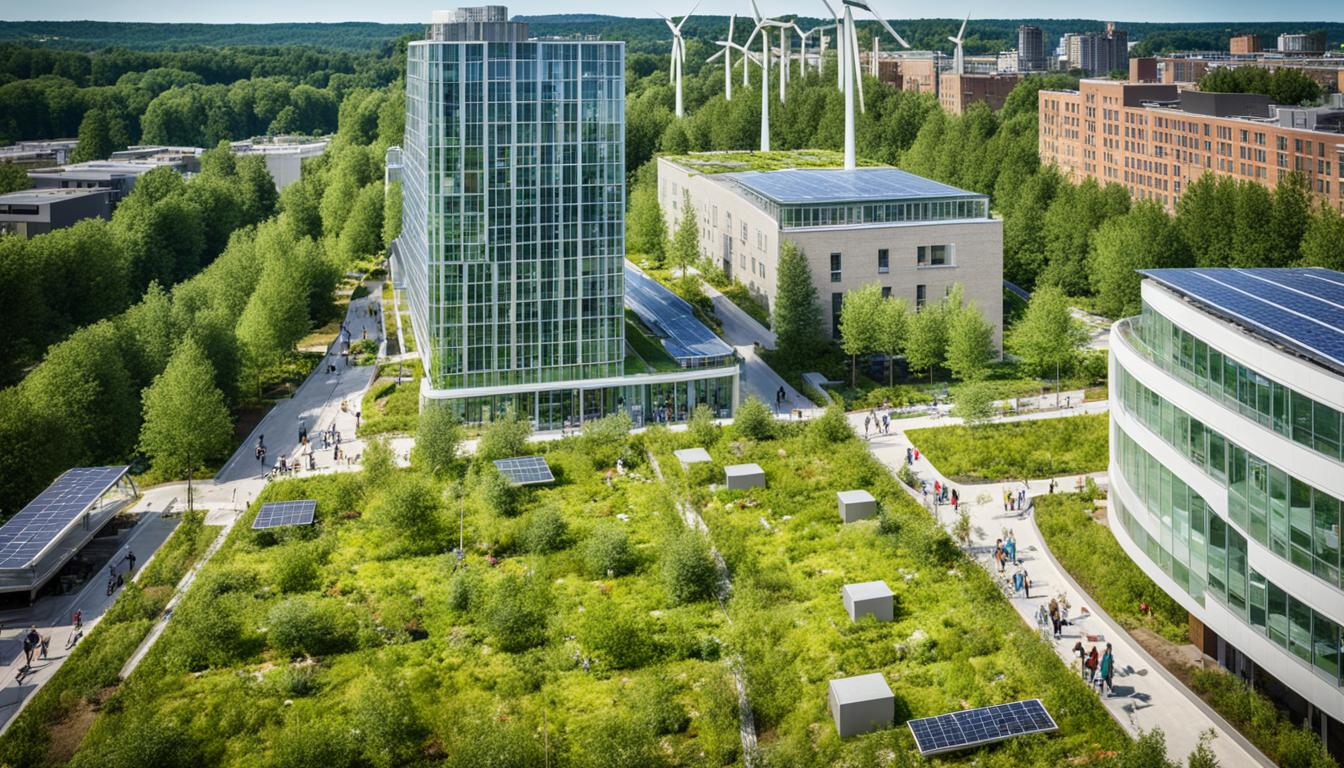

Zimbabwe’s participation and advocacy for sustainable housing at a global UN forum is a clear and deliberate signal of long-term commitment, not just to housing delivery, but to a broader development vision anchored in sustainability and inclusion.