Zimbabwe has made major progress in modernising its medical storage and distribution systems, shifting from traditional warehousing to a high-tech, decentralised model designed to improve access to essential medicines across the country.
A key milestone in this national transformation was reached in October last year with the commissioning of the US$6.9 million NatPharm Mutare Warehouse, a flagship project under the National Health Strategy (2021–2025). The facility was officially opened by President Emmerson Mnangagwa, marking Mutare’s emergence as a critical hub in the country’s medicines supply chain.
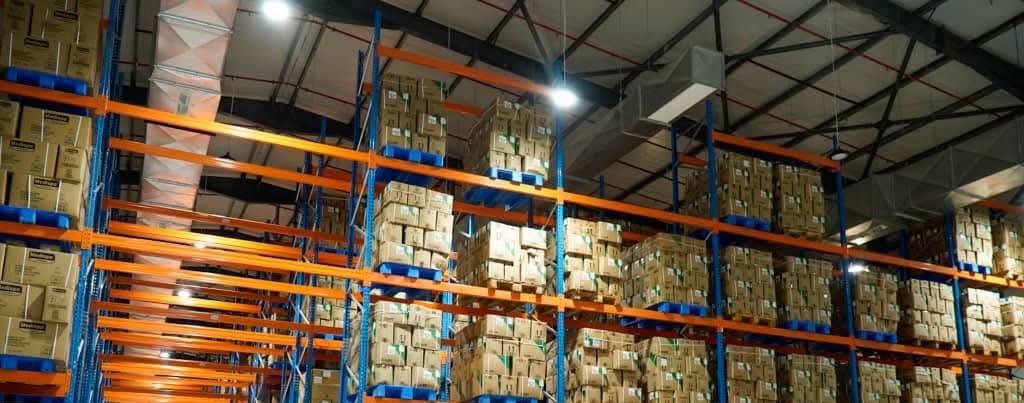
Located near Victoria Chitepo Provincial Hospital and strategically close to the Port of Beira, the warehouse has significantly strengthened Zimbabwe’s logistical efficiency. Since opening, it has increased NatPharm’s storage capacity by over 400 percent, from 800 to 3 400 pallet spaces allowing the holding of larger stocks of medicines and medical consumables.
In an interview with the media, NatPharm Mutare Manager, Cathius Mundandishe said the expansion has fundamentally changed how medicines are stocked and distributed throughout Manicaland.
“The Mutare warehouse now has a holding capacity of 3 400 pallets, up from 800 at the old facility. This allows us to hold more stock for our clients across Manicaland. Previously, we operated on a just-in-time system, which made it difficult to respond to shortages. The expanded capacity ensures availability and reliability,” he said.
To protect sensitive cold-chain products, the warehouse is powered by a 360-kilowatt solar system, guaranteeing uninterrupted operations.
“We currently use about 120 kilowatts, with the excess power fed into the national grid,” Mundandishe added.
Health facilities have already begun experiencing faster turnaround times for medicine deliveries. Victoria Chitepo Provincial Hospital Senior Pharmacist Keith Ndlovu said the warehouse’s proximity has directly boosted patient care.
“Having a NatPharm warehouse just a stone’s throw away has greatly assisted us as a provincial hospital. We can now receive medicines in the correct quantities and at the right time, which has improved patient care as medicines are readily available when needed,” he said.
Patients at the hospital echoed similar sentiments.
“We are happy that we are getting our medication on time, and essential medicines are always available,” said one patient.
Another added, “Since I started receiving medicines here, I have never gone home without my medication. We also appreciate the improved services at the pharmacy.”
President Mnangagwa reaffirmed Government’s commitment to strengthening the national medical supply chain through the construction of additional regional warehouses.
“I urge the Ministry of Health and Child Care to ensure that the construction of additional regional warehouses in other provinces goes according to plan. This will significantly improve operational efficiency in accessing medicines, drugs and medical consumables, and enhance our quest to achieve Universal Health Coverage,” the President said.
He further emphasised the importance of boosting NatPharm’s capacity and expanding local pharmaceutical production.
“Government will continue to capacitate NatPharm to ensure the availability of medicines. At the same time, stimulating national self-reliance through local manufacturing of medicines and medical equipment remains critically important. Since 2018, there has been a 56 percent increase in pharmaceutical manufacturing entities, from nine in 2020 to the current 14,” he said.
The modern NatPharm Mutare Warehouse, is equipped with an advanced enterprise resource planning system. It now serves more than 300 health facilities across Manicaland, marking one of the most significant steps in stabilising Zimbabwe’s national medicines supply chain.