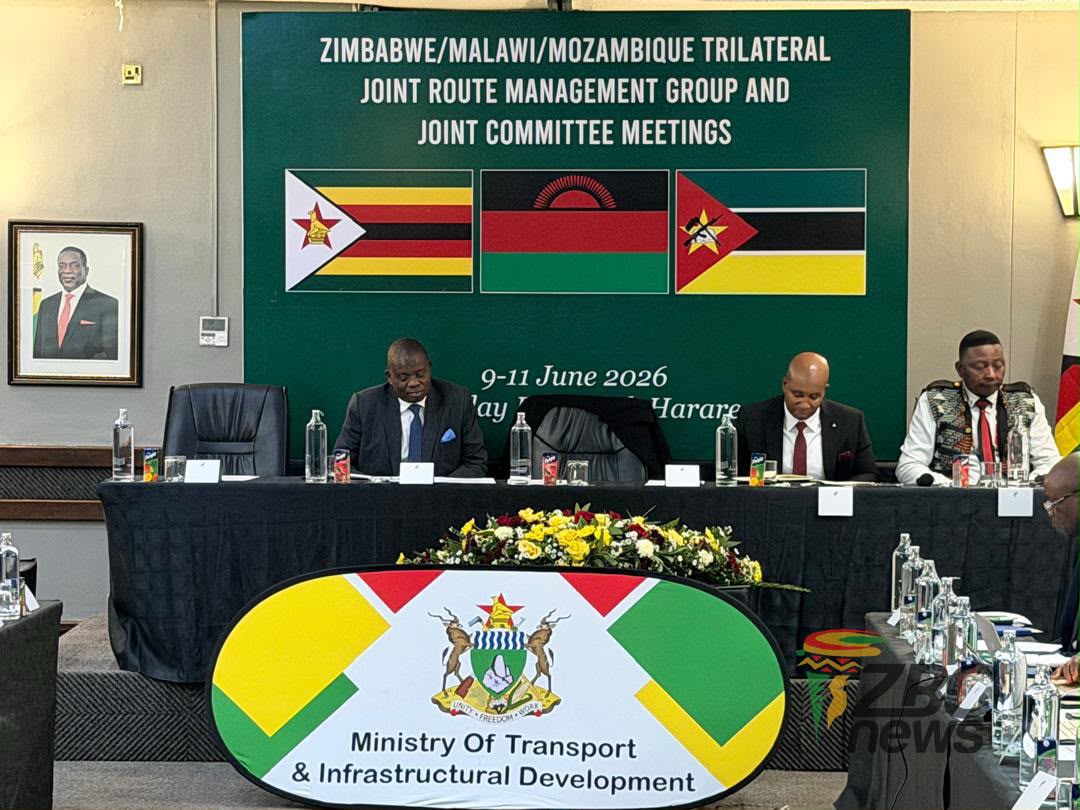
Zimbabwe, Malawi and Mozambique have stepped up efforts to remove long-standing barriers that continue to impede trade and the movement of people across their borders, with the three countries committing to accelerate digitalisation, harmonise travel permits and simplify border procedures.
The commitment was made during the Trilateral Route Management Group and Joint Committee Meeting held in Harare yesterday, where senior government officials and transport experts agreed that modern border management systems are critical to unlocking regional trade, improving connectivity and advancing economic integration.
Delegates identified border delays, excessive paperwork and differing permit requirements as major obstacles affecting commerce, tourism and cross-border mobility. They noted that eliminating these bottlenecks would reduce costs for businesses, improve efficiency and support the objectives of the African Continental Free Trade Area (AfCFTA), which seeks to boost intra-African trade and create a more integrated continental market.
Permanent Secretary in the Ministry of Transport and Infrastructure Development, Engineer Joy Makumbe, said transport corridors remain central to economic growth and require systems that can respond to increasing regional demand.
“The corridors are the lifelines of our economies. We have modernised our borders, where digitalisation has since replaced stamping. Let us move with the times,” she said.
Engineer Makumbe emphasised the importance of regional coordination, noting that seamless services can only be achieved through harmonised systems and regulations.
“We need a coordinated approach for our services to be seamless. We are in the process of harmonising our visitor permits. We cannot continue having people spend fruitful business hours seeking permits; it has to stop as we move forward,” she said.
Malawi also reaffirmed its commitment to digital transformation. Principal Secretary in the Ministry of Transport and Public Works, Bright Kumwemba, said technology would help eliminate inefficiencies associated with manual processes.
“We believe we need to do away with paperwork and go digital to avoid unnecessary delays in serving our visitors. We must expedite the time we take in serving our clients,” he said.
Mozambique echoed similar views. National Director of Transport and Security, Alberto Matusse, said the country had ratified African traffic systems that came into effect this year and was implementing measures to improve transport management, safety and operational efficiency.
Officials agreed that harmonised regulations, digital systems and efficient border management will be essential in facilitating trade, attracting investment and supporting sustainable economic growth across Southern Africa.