
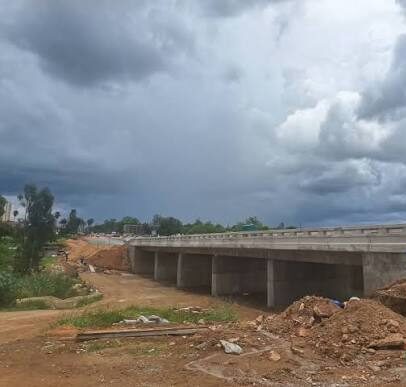
Construction of the Muvhundisi School bridge in Chivi Central has gathered momentum after the area’s legislator, Exevia Moses Maoneke, donated building materials to accelerate the community-driven project, which is expected to improve access to the school and ease the movement of people, livestock and agricultural produce.
The bridge, being constructed in Ward 12, is expected to end years of difficulties faced by pupils and villagers who have struggled to cross the area during the rainy season, while also improving access to markets and essential services.
Speaking to this publication, Maoneke described the project as a practical investment in the community’s future, saying improved infrastructure was critical to unlocking socio-economic development in rural areas.
“This bridge will ensure our children attend school safely while improving transport, accessibility and business in Ward 12. Development begins with investing in our communities,” he said.
Ward 12 Councillor, Tedfed Tizai said the bridge addresses a long-standing challenge that has disrupted schooling and everyday life for residents whenever the area experiences heavy rains.
“Schoolchildren have struggled to cross this point during the rainy season. We are working together to ensure the bridge is completed as quickly as possible for the benefit of our community,” he said.
Tizai commended President Emmerson Mnangagwa for prioritising rural infrastructure development, saying Government’s focus on improving roads, bridges and other public infrastructure was transforming communities across the country.
“We thank President Mnangagwa for prioritising development in our communities. We also appreciate Maoneke’s commitment to working hand in hand with us to improve the lives of our people,” he said.
Residents welcomed the development, saying the bridge would significantly improve mobility by providing a safe crossing throughout the year, while facilitating the transportation of farm produce and livestock to markets.
They said the project would also improve access to health facilities and other essential services, adding that it demonstrated the positive impact of partnerships between Government, local leadership and communities in accelerating rural development.