Research and innovation are transforming Zimbabwe’s sugarcane sector, with modern technologies helping farmers achieve higher yields, improve disease resistance and reduce production costs.
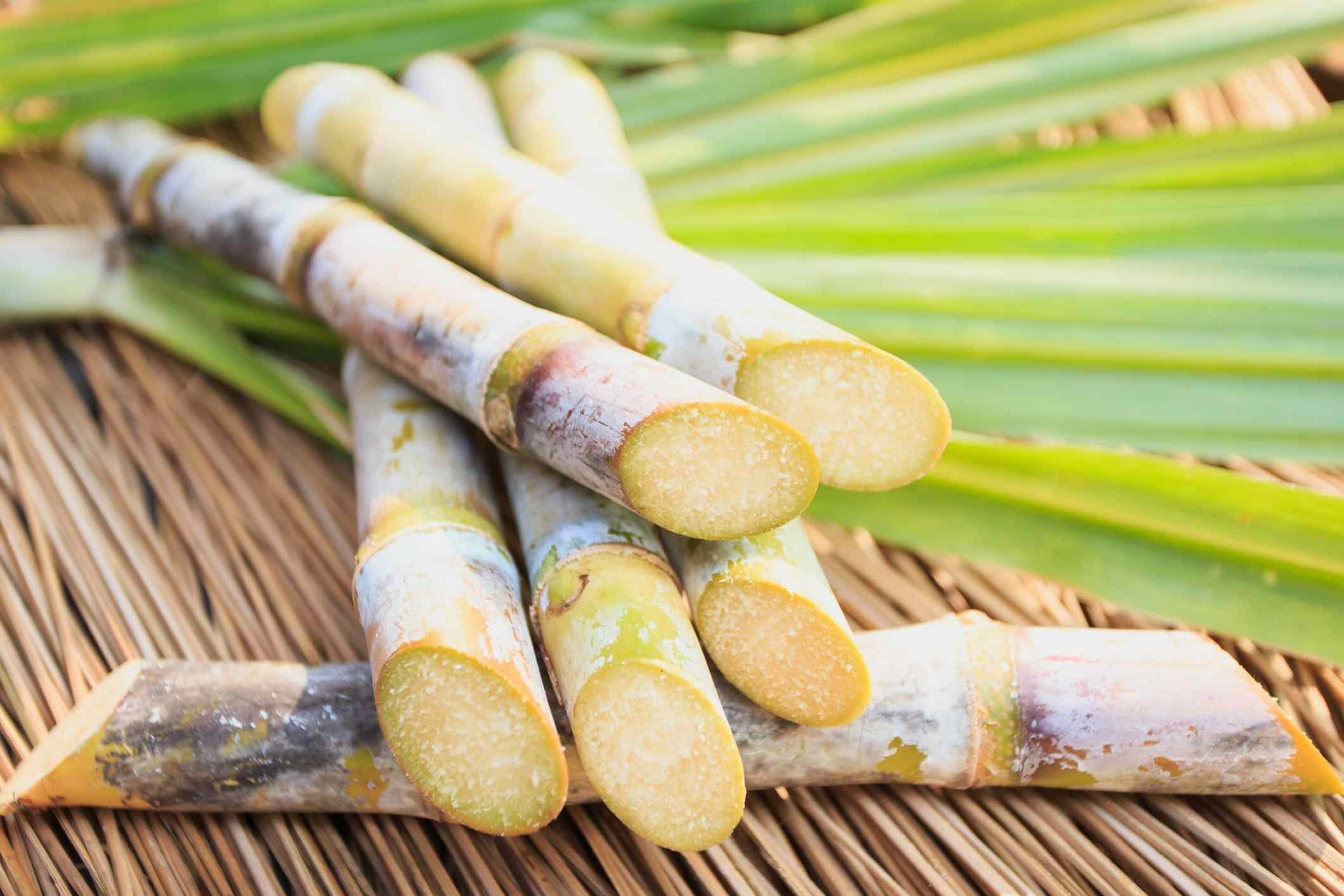
The Zimbabwe Sugar Association Experiment Station has rolled out an advanced hot-water treatment system for cane seed, designed to control pests and diseases while enhancing overall crop quality and productivity.
Senior Plant Pathologist Petros Zvoutete said the process works by submerging cane seed in heated water under strictly controlled conditions.
“When the tank is filled, we heat the water to 50 degrees Celsius. The cane is immersed for 120 minutes, during which harmful bacteria are eliminated. We maintain that temperature because anything higher can damage the cane,” he explained.
The new facility can process five tonnes of cane seed per day, enough to plant half a hectare.
“To cover one hectare, we need two days. After treatment, the cane must be planted within 48 hours and irrigated immediately,” Zvoutete added.
He noted that the technique is particularly effective against ratoon stunting disease, one of the most damaging threats to sugarcane production.
“This treatment eliminates the bacteria responsible for ratoon stunting disease. It boosts germination, increases plant population and ultimately raises yields. It also cuts down production costs linked to pest and disease control,” he said.
Over the years, the Experiment Station has also developed high-yielding, climate-resilient sugarcane varieties, while improving fertilisation and irrigation systems to enhance resource efficiency.
The adoption of these innovations is expected to significantly strengthen the sustainability and profitability of Zimbabwe’s sugar industry for the long term.