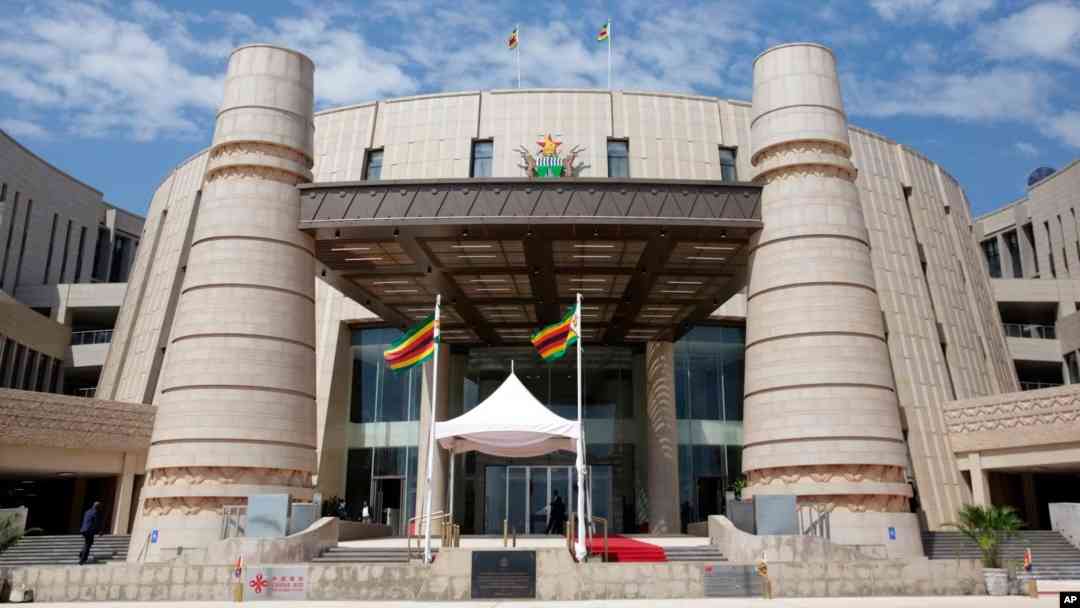
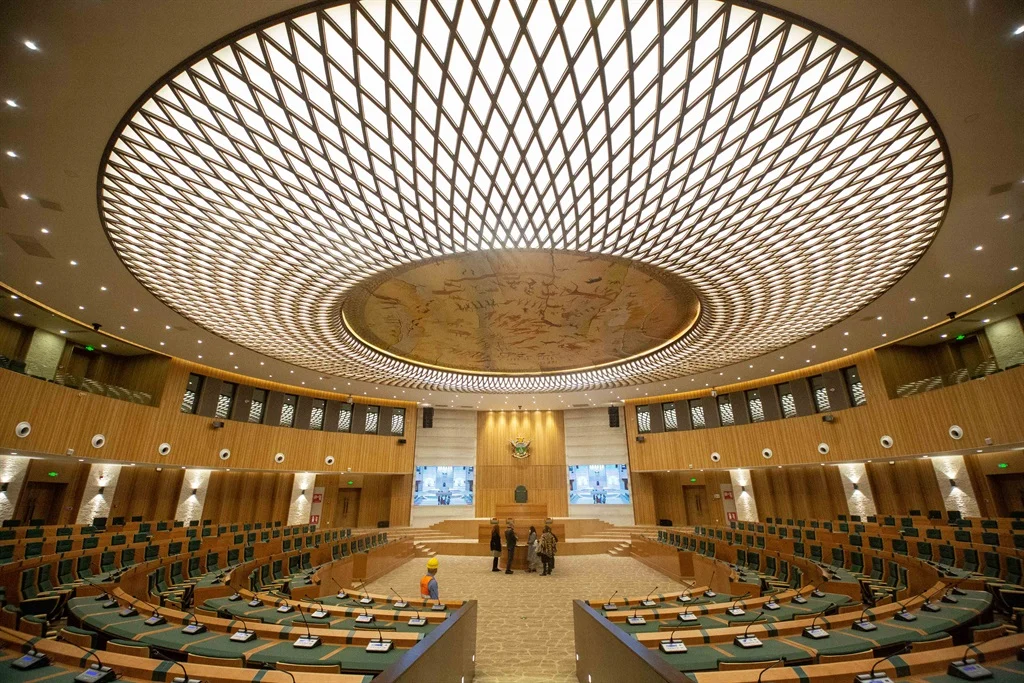
Parliament yesterday intensified debate on Constitutional Amendment Bill No. 3 (CAB3), with legislators backing the proposed reforms as measures aimed at strengthening governance structures and improving Zimbabwe’s electoral framework.
Contributing to the debate, Chegutu East legislator, Webster Shamu dismissed criticism of the Bill from what he described as external forces pursuing sanctions and regime-change agendas, insisting that the proposed constitutional amendments reflect the will of Zimbabweans.
“Zimbabwe will not be misled by those behind illegal sanctions and regime-change agendas who seek to lecture us on democracy,” Shamu told Parliament.
He argued that Constitutional Amendment No. 3 embodies democratic principles because it emerged from consultations and reflects the aspirations of citizens.
“Constitutional Amendment No. 3 is democracy in its most authentic form, homegrown, participatory and people-driven, backed by Zimbabweans across the country,” said Shamu.
He added that support for the Bill demonstrated that Zimbabweans were actively shaping their own governance framework.
“This is the unmistakable voice of the people, and those who claim to champion democracy must respect that voice,” he said.
The debate also focused on proposed reforms to Zimbabwe’s electoral boundary delimitation process, with Justice, Legal and Parliamentary Affairs Minister Ziyambi Ziyambi outlining provisions contained in Clauses 11, 12 and 13 of the Bill.
Presenting the rationale behind the amendments, Ziyambi said the Bill seeks to establish a dedicated Zimbabwe Electoral Delimitation Commission responsible for drawing electoral boundaries.
“Clauses 11, 12 and 13 carry the same logic into the drawing of electoral boundaries. They establish a dedicated Zimbabwe Electoral Delimitation Commission chaired by a judge of Supreme Court standing and composed of members chosen for defined expertise in law, administration and governance, and in demography or cartography,” he said.
The Minister said lawmakers from across the political divide had previously acknowledged the need to separate election management from delimitation responsibilities.
“Here too there was agreement in this House that crossed the aisle: that the Commission’s proper task is to conduct elections, and that the drawing of boundaries, a distinct and technical discipline, belongs with a body built for it,” said Ziyambi.
He further explained that the Bill proposes extending the period between delimitation and elections from six months to 18 months to enhance transparency and public confidence.
“The Bill also extends the interval between the drawing of boundaries and the election that follows, from six months to 18 months, so that no one who runs the race also draws the field, and so that the field is settled well before the contest begins,” he said.
The Constitutional Amendment Bill No. 3 (CAB3) seeks to amend several provisions of Zimbabwe’s Constitution, including reforms affecting the judiciary, electoral delimitation and other governance structures.
The Bill is presently undergoing parliamentary scrutiny through the Second Reading stage before proceeding to further legislative processes.