Southern African countries have intensified efforts to strengthen their response to climate-induced loss and damage following the SADC Regional Dialogue on Loss and Damage held in Lilongwe, Malawi, from 8 to12 June.
According to the SADC Secretariat, the region is facing increasingly severe droughts, floods and tropical cyclones that are eroding development gains and threatening the livelihoods of millions.
“Climate shocks are becoming increasingly systemic and transboundary, creating a regional polycrisis that combines climate risks with food insecurity, economic instability and displacement,” said the Secretariat.
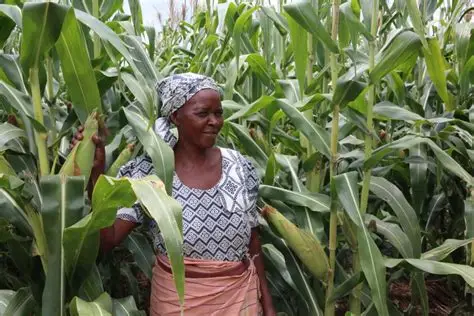
Agriculture remains the most affected sector, accounting for between 44 and 71 percent of total disaster damages across Southern Africa. Recent cyclones, including Idai, Ana, Gombe and Freddy, have left countries grappling with recovery costs running into billions of dollars.
While the region has made significant progress in disaster preparedness through initiatives such as the SADC Humanitarian and Emergency Operations Centre and the SADC Emergency Response Team, officials noted that financing for recovery has not kept pace with the increasing scale of climate impacts.
“Preparedness alone is no longer sufficient. Recovery continues to rely heavily on humanitarian appeals and emergency budget reallocations, creating growing recovery deficits that undermine long-term resilience,” the Secretariat said.
The dialogue is expected to culminate in the adoption of a SADC Regional Position on Loss and Damage, centred on strengthening evidence systems, governance, climate finance access and implementation readiness.
“The development of a common regional position will strengthen member states’ readiness to access emerging climate finance while enhancing the region’s collective voice in global climate negotiations,” said the Secretariat.
The discussions come as the Fund for Responding to Loss and Damage is expected to launch its first call for funding proposals in October 2026, while forecasts point to the possibility of a Super El Niño during the 2026/27 season, which could worsen drought conditions, food insecurity and economic losses across Southern Africa.
The dialogue, supported by the World Bank-funded Regional Climate Resilience Project, brought together senior government officials, international financial institutions, United Nations agencies and development partners to develop a coordinated regional approach to averting, minimising and addressing climate-induced loss and damage.