
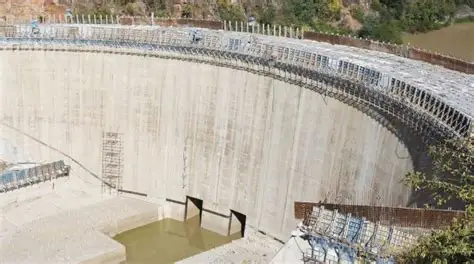
The Gwayi-Shangani Dam project is on course, with construction works now significantly advanced as Government intensifies efforts on one of Zimbabwe’s flagship infrastructure developments.
Special Advisor to the President on Monitoring the Implementation of Government Programmes and Projects, Dr Jorum Gumbo, yesterday visited the project site to assess progress on the multi-purpose dam, which is expected to improve water security, support irrigation, generate electricity and stimulate economic development in Matabeleland.
The project has registered notable progress, with completion levels rising from 39 percent in 2022 to 77 percent, following increased Government support under the Second Republic.
Construction works on the main dam wall, powerhouse and the 252-kilometre pipeline network are ongoing, with more than 600 workers deployed on a 24-hour schedule to accelerate delivery.
In an interview after the tour, Dr Gumbo said the progress reflects Government’s commitment to delivering transformative infrastructure aimed at improving livelihoods.
“The progress we have witnessed is a clear demonstration of Government’s commitment to delivering transformative infrastructure that improves the livelihoods of Zimbabweans. The Gwayi-Shangani Dam is a strategic national project that will provide a lasting solution to Bulawayo’s water challenges while supporting irrigation, energy generation and economic growth,” he said.
He reaffirmed Government’s commitment, noting that with sustained funding, efficient implementation and strong collaboration among all stakeholders, the project will be completed within the set timelines.
The dam wall is expected to be completed before December 2026. Once operational, the project will supply 220 megalitres of water per day to Bulawayo, generate 10 megawatts of electricity, and support irrigation of 10,000 hectares under the Matabeleland Greenbelt Programme.
The reservoir will cover approximately 691 square kilometres, while 850 families are set to be resettled on 600 hectares of designated land as part of the implementation plan.