Government is accelerating the integration of artificial intelligence (AI), robotics and coding into Zimbabwe’s education curriculum as it intensifies efforts to equip learners with future-ready digital skills and position the country for a technology-driven economy.
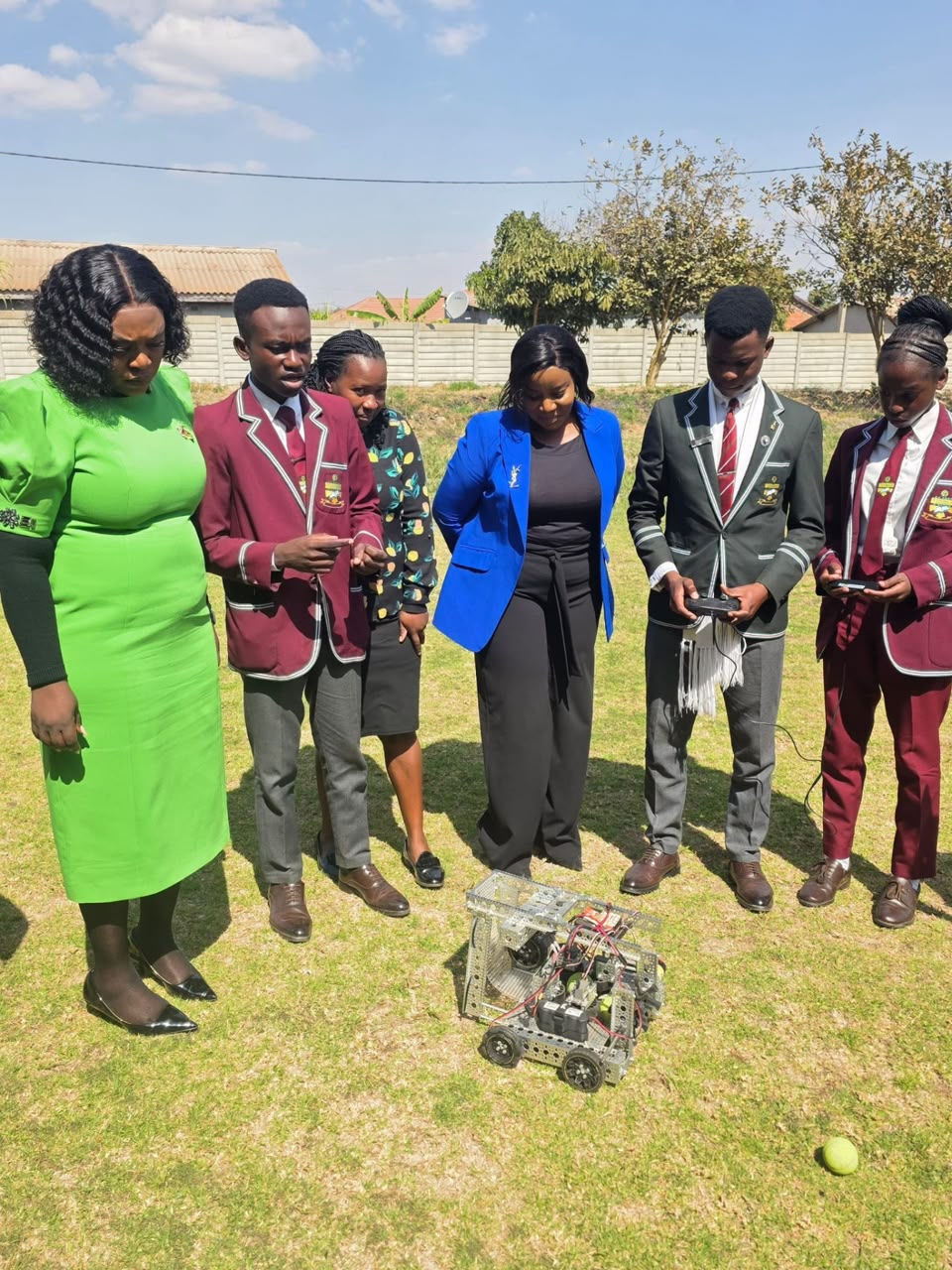
The initiative took centre stage during the Abedai National Robotics, Artificial Intelligence and Internet of Things (IoT) Challenge held at Tynwald Primary School in Harare, yesterday, where learners showcased innovative technology solutions designed to address real-world challenges across key sectors of the economy.
Speaking during the competition, Information Communication Technology, Postal and Courier Services Minister, Tatenda Mavetera, said Zimbabwe must urgently transform its education system to prepare learners for careers in an increasingly digital and automated world.
“The digital economy requires an education system that prepares children for a world increasingly influenced by artificial intelligence, robotics and automation. Many future careers do not exist yet, which calls for urgent curriculum reforms in Zimbabwe. We must make artificial intelligence, coding and robotics compulsory from primary to secondary education. Digital skills are essential for national development and cannot be optional. Coding fosters logical thinking, robotics enhances creativity, and AI promotes innovation and problem-solving,” she said.
Among the standout projects was an automated robot developed to improve safety in underground mining by detecting hazardous conditions before they threaten miners’ lives.
“Miners face invisible hazards every day deep beneath the earth’s surface. Recognising the critical need to protect workers from toxic gas leaks, oxygen depletion and sudden explosions, we developed an advanced automated robot engineered specifically for the harsh realities of underground mining,” said one of the participating learners.
Another group of learners presented a rapid-deployment emergency zipline system designed to transport medical supplies, food and other essential commodities to isolated communities during natural disasters and other emergencies.
“We have developed a rapid deployment emergency zipline system designed to help transport essential supplies such as medical aid and food to stranded individuals and isolated families during emergencies,” another learner said.
The event organiser, Abednego Kangwena, said the challenge was created to assess the progress schools have made in embracing robotics, coding and information and communication technology while encouraging wider adoption of digital learning.
“We organised this event to see how far we have gone in our drive to inculcate robotics, coding and ICT in our learners. We are encouraging ICT to become an integral part of the learning process in schools,” he said.
The integration of AI, robotics and coding into the curriculum forms part of Government’s broader digital transformation agenda and aligns with the National Artificial Intelligence Strategy, which seeks to nurture innovation, critical thinking and practical problem-solving skills from an early age while preparing Zimbabwe’s workforce for the demands of the Fourth Industrial Revolution.