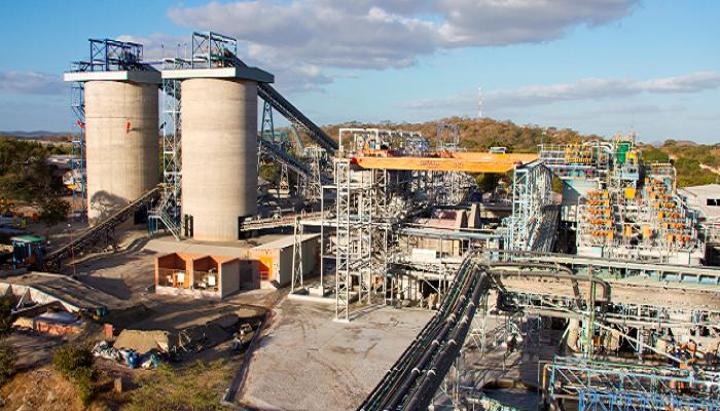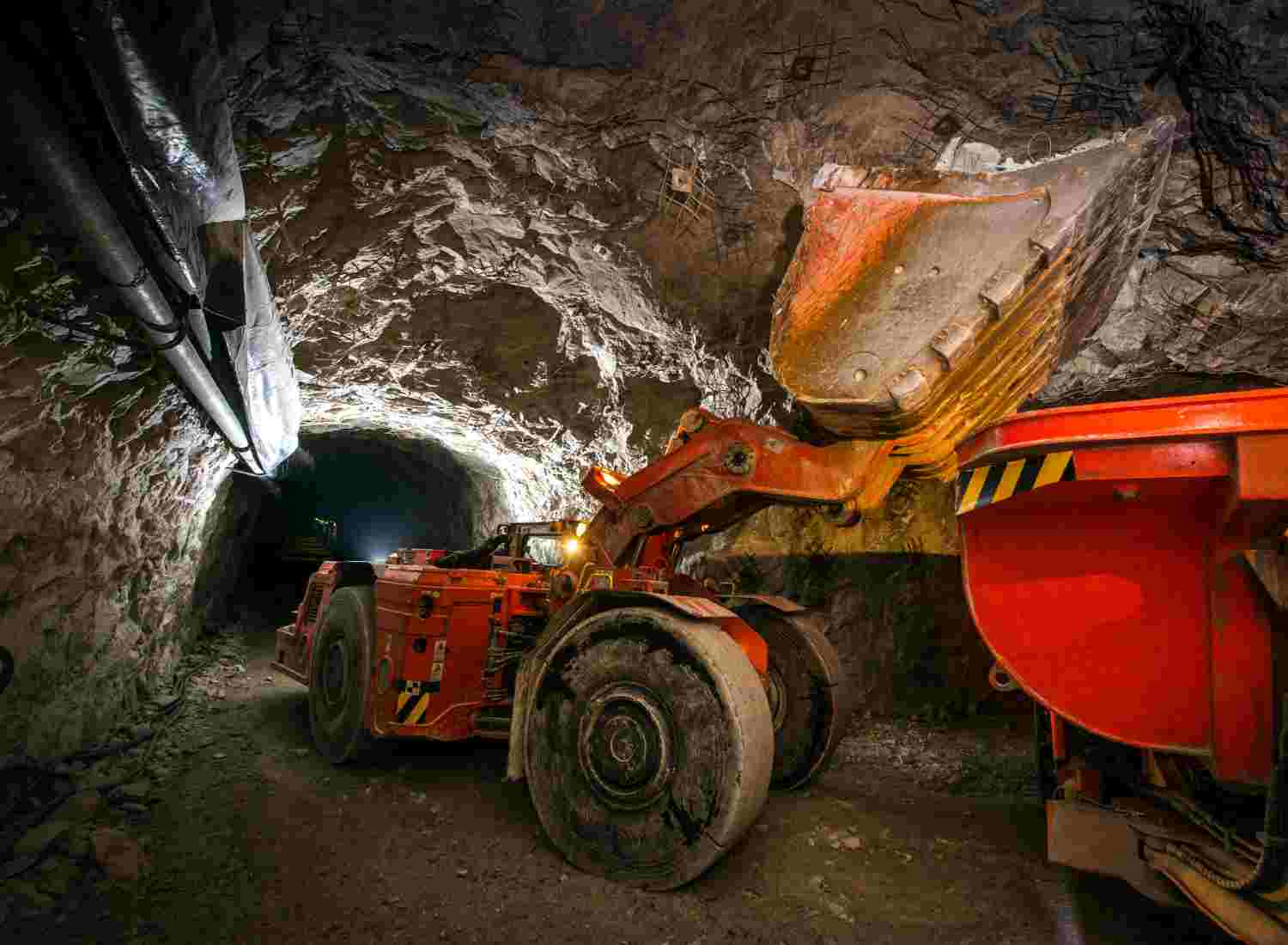
Hwange Colliery Company Limited (HCCL) says it has overcome production constraints that previously hampered operations and is now capable of producing up to 15 million tonnes of coal annually, with attention shifting towards market expansion and logistics optimisation.
The company is projecting coal output of about seven million tonnes in the current financial year, with production expected to rise to 10 million tonnes next year as investments under its restructuring programme continue to deliver results.
HCCL Administrator, Munashe Shava said the company had made significant progress in restoring its mining capacity, with market development and transportation now emerging as the main operational priorities.
“Our biggest focus, as we speak, is actually markets and logistics. That’s where the bottleneck is,” he said.
Shava said coal extraction was no longer a major challenge, as the company now had sufficient capacity to meet rising demand.
“In terms of coal extraction from the mines, that’s not an issue. We have sorted out that side of things. We can do up to 15 million tonnes a year.
“Currently the challenge rests upon moving the product into markets and how to find those markets. That’s where our focus is,” he said.
The development marks a key milestone for Zimbabwe’s largest coal producer, which has undergone extensive restructuring and recapitalisation aimed at restoring efficiency and boosting output.
With production capacity now exceeding current demand, HCCL is intensifying efforts to secure new domestic and regional markets while improving coal transportation through enhanced rail and road logistics.
The company said unlocking transport capacity will be critical to ensuring that increased output translates into higher sales and revenue, while also supporting key sectors of the economy reliant on coal, including power generation, manufacturing and mining.
Industry observers say improved logistics and expanded market access will be essential for HCCL to fully utilise its installed capacity and make a greater contribution to Zimbabwe’s industrialisation agenda and export earnings.
While demand for coal remains strong from both local industries and regional markets, HCCL’s next phase of growth will depend on its ability to convert restored production capacity into sustained market uptake and efficient distribution networks.