The 2026 FIFA World Cup final delivered unforgettable drama on the pitch, but one of the biggest talking points unfolded before the second half had even kicked off, as football’s traditional 15-minute halftime interval was stretched to more than 27 minutes for the tournament’s first-ever Super Bowl-style entertainment show.
What was intended to be a historic celebration of football and music instead ignited fierce debate among players, coaches, broadcasters and supporters, many of whom questioned whether FIFA had sacrificed the game’s traditions for entertainment.
According to the Laws of the Game set by the International Football Association Board (IFAB), players are entitled to a halftime interval “not exceeding 15 minutes.” Yet the break between Spain and Argentina lasted 27 minutes and 19 seconds, almost double the permitted duration.
FIFA had initially indicated that the halftime show itself would run for just 11 minutes, with organisers expecting only a slightly extended interval to allow for the construction and removal of a temporary stage. Instead, the logistics of assembling and dismantling the elaborate production pushed the delay well beyond expectations.
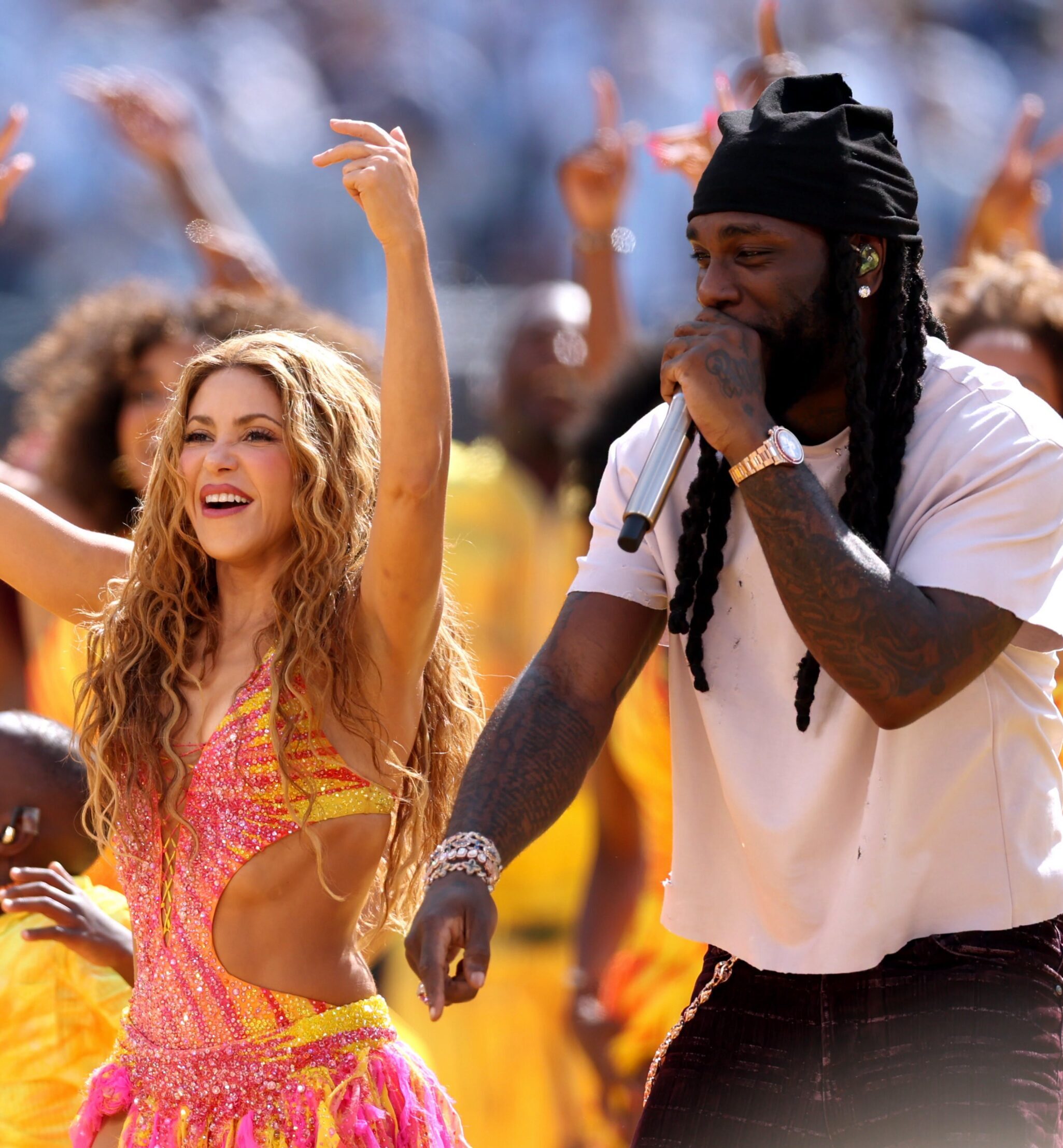
The spectacle, curated by Coldplay frontman Chris Martin, featured global music stars including Madonna, Shakira, BTS, Justin Bieber and Burna Boy in the first halftime show ever staged at a FIFA World Cup final. While many inside the packed stadium enjoyed the star-studded performances, others questioned whether football’s biggest match should follow the entertainment model of the NFL’s Super Bowl.
Television broadcasters had anticipated the extended stoppage, with some preparing for a break lasting between 25 and 30 minutes to accommodate both the performances and the technical work required on the pitch. Even before kick-off, concerns had been raised that FIFA’s plans risked conflicting with the laws governing the game.
The lengthy interruption divided opinion across the football world. Traditionalists argued that players could lose rhythm and muscle temperature after such a prolonged period of inactivity, potentially affecting performance during the second half and extra time. Others welcomed the innovation, viewing it as a bold attempt to expand football’s global appeal by blending elite sport with world-class entertainment.
Despite the controversy, the match resumed without incident before Spain eventually defeated Argentina 1-0 after extra time to lift their second FIFA World Cup trophy. Yet for many fans, discussions after the final whistle focused as much on the unprecedented halftime delay as on Spain’s triumph.
The controversy is unlikely to disappear anytime soon. FIFA has made no secret of its ambition to modernise the World Cup experience by incorporating more entertainment around its showpiece event. However, the reaction to Sunday’s extended halftime has highlighted the delicate balance between preserving football’s traditions and embracing commercial spectacle.
Whether the 27-minute interval becomes a one-off experiment or the blueprint for future World Cup finals remains to be seen. What is certain is that the 2026 final will be remembered not only for Spain’s victory over Argentina, but also for a halftime break that rewrote football’s longest-standing convention and sparked one of the tournament’s most heated debates.