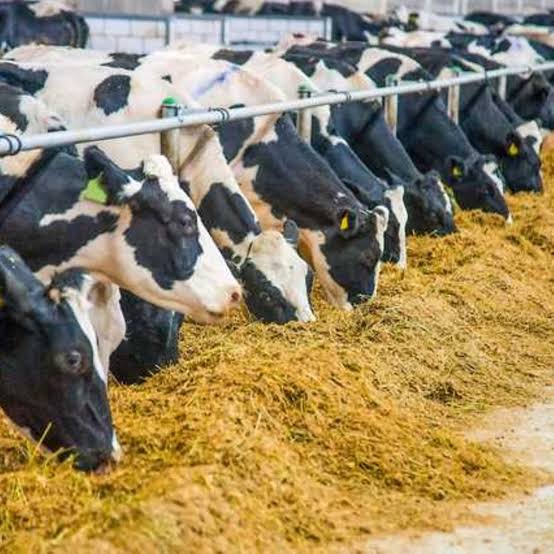
Livestock farmers have been urged to start preserving crop residues and building fodder banks to protect animals from potential feed shortages should a Super El Niño weather phenomenon result in deteriorating grazing conditions.
In a statement yesterday, Livestock and Fisheries Production Director Milton Makumbe said farmers should take advantage of currently available feed resources by baling dry grass, treating maize and wheat stover with urea and avoiding the burning of crop residues.
“Preparations should begin before pastures deteriorate, warning farmers against wasting materials that could become critical sources of livestock feed during periods of drought.
Farmers should bale dry grass, stop burning crop residues and preserve every available source of feed before pastures deteriorate,” Makumbe said.
He said maize and wheat stover, which is often regarded as agricultural waste after harvesting, could be converted into more nutritious livestock feed through urea treatment.
“The process could significantly improve the nutritional value of crop residues, particularly their crude protein content, making them more useful when natural grazing becomes unavailable.
Urea treatment can lift stover’s crude protein from about 3 percent to between 9 and 12 percent,” he added.
According to Makumbe, the improvement in nutritional value and digestibility could help livestock survive periods when pastures have dried up or become insufficient to sustain animals.
“Farmers should begin establishing fodder banks while feed resources are still available, rather than waiting until livestock start losing body condition,”Makumbe said
Makumbe, however, cautioned farmers against undertaking urea treatment without adequate knowledge of the process, warning that improper application could expose animals to poisoning.
“Farmers should seek professional guidance on treatment to prevent urea poisoning,” he said.
The call comes amid growing concern over the potential impact of adverse weather conditions on livestock production, particularly where farmers depend heavily on natural pastures.