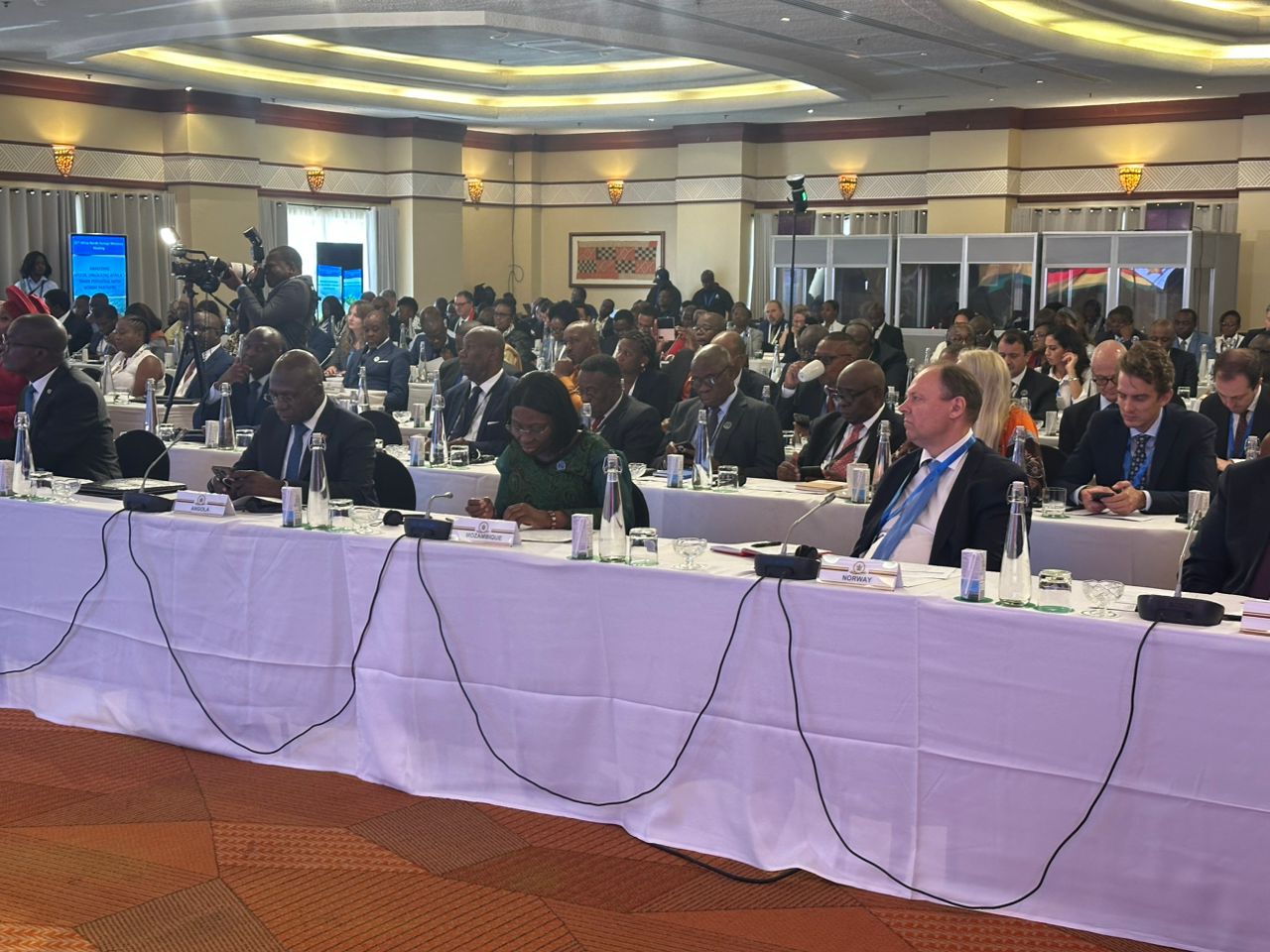
Zimbabwe has taken a leading role in negotiations at the 17th Conference of the Parties to the United Nations Convention on Biological Diversity (COP17), with two senior wildlife officials chairing key discussions on biodiversity financing and scientific assessments.
Zimbabwe Parks and Wildlife Management Authority (ZimParks) Director of Scientific Services, Professor Patience Gandiwa, is chairing negotiations on Digital Sequence Information (DSI), while the authority’s Manager of International Conservation, Mr Dickson Chitupa, is leading discussions on assessments by the Intergovernmental Science-Policy Platform on Biodiversity and Ecosystem Services (IPBES).
Prof Gandiwa said the DSI negotiations were focused on operationalising the multilateral mechanism established at COP16 in Cali, Colombia, including arrangements to mobilise resources for the Cali Fund.
The fund is intended to support benefit-sharing from the use of digital sequence information on genetic resources, with discussions centred on its operational framework, funding methodologies and measures to encourage institutions and businesses using DSI to contribute.
“The fund still needs to be resourced; it still needs a lot of capitalisation,” Prof Gandiwa said, highlighting the need to secure adequate financing to make the mechanism effective.
Meanwhile, Mr Chitupa is leading discussions on three thematic assessments under the biodiversity convention: the Nexus Assessment, the Transformative Change Assessment and the Business and Biodiversity Assessment.
He said the assessments examine the links between biodiversity loss and wider socio-economic challenges, as well as ways to promote sustainable development and business practices that protect nature.
The Transformative Change Assessment focuses on addressing the underlying drivers of biodiversity loss and identifying measures to reverse the trend, while the Business and Biodiversity Assessment examines business models and actions that can support conservation and sustainable resource use.
The discussions are expected to help inform strategies for achieving global biodiversity targets by aligning economic activity, development priorities and environmental protection.
Zimbabwe’s contribution to the negotiations has also drawn recognition from the African Group of Negotiators, with its chairperson, Mr Ousseynou Kasse, commending the country’s involvement in advancing key issues.
Mr Kasse said the global biodiversity framework adopted in Montreal in 2022 had established a 10-year roadmap, making the current review period important for assessing collective progress and identifying areas requiring additional resources and action.
He said the process should focus on closing implementation gaps rather than comparing the performance of individual countries.
“We will look at where we have to make effort, more effort, more resources to achieve our common goal,” Mr Kasse said.
He also acknowledged Zimbabwe’s contribution to Africa’s preparations for the negotiations, saying the country had played a leading role in discussions on major issues.
COP17’s second day provided further opportunities for delegates to exchange views, strengthen cooperation and assess progress towards global biodiversity commitments.
Zimbabwe’s participation places its wildlife and conservation expertise at the centre of discussions on financing, scientific evidence and sustainable business practices, issues that are critical to protecting biodiversity while supporting livelihoods and long-term economic development.