
The Zimbabwe National Chamber of Commerce (ZNCC) says improving macroeconomic stability is creating a more predictable business environment, with declining inflation, exchange rate stability and growing foreign currency reserves supporting renewed private-sector confidence.
In its latest Weekly Business and Economic Highlights, ZNCC said annual ZiG inflation remained in single digits, while US dollar inflation continued to moderate, supporting price stability.
Annual ZiG inflation stood at 4,3% in October, within the Reserve Bank of Zimbabwe’s year-end target of between five and seven percent and the Southern African Development Community’s three to seven percent benchmark.
Foreign currency reserves have also reached approximately US$2 billion, equivalent to about two months of import cover, providing a buffer against external shocks.
“The official foreign exchange market continues to exhibit relative stability, providing improved predictability for business planning and pricing decisions. The Reserve Bank of Zimbabwe maintained its policy stance aimed at preserving exchange rate and price stability while supporting productive sector growth,” ZNCC said.
The chamber noted that the monetary policy framework, which includes a 27,5% policy rate and a 12,5% Targeted Finance Facility rate, remained focused on maintaining stability and supporting productive sectors.
It said improved currency predictability was helping businesses make informed budgeting, pricing and investment decisions, contributing to cautiously positive business sentiment.
However, high lending rates and limited access to affordable long-term capital continue to constrain companies, particularly small and medium-sized enterprises seeking to expand operations and upgrade technology.
ZNCC called for financing mechanisms that prioritise productive investment, including risk-sharing arrangements, reduced transaction costs and funding structures aligned with business operating cycles.
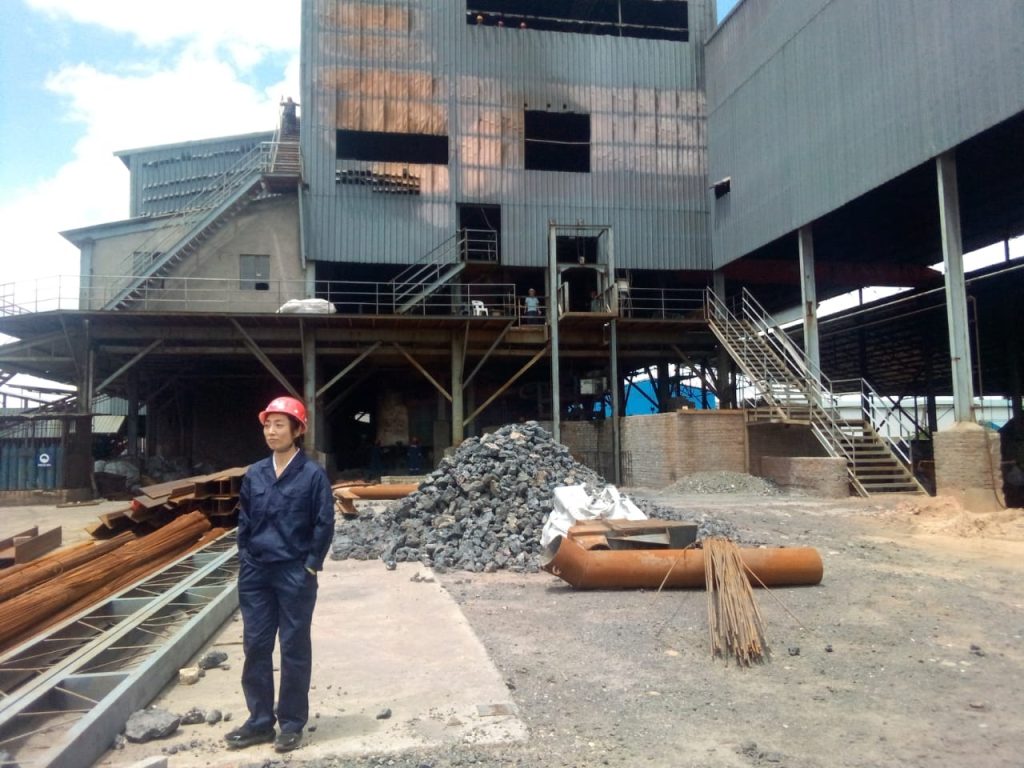
The chamber identified mining and agriculture as key drivers of economic activity, noting that mineral beneficiation and increased domestic processing would enhance export earnings and retain more value within the economy.
Agricultural prospects for the 2026/27 season were also described as positive, supported by improved rainfall forecasts and Government assistance programmes, although input costs remain a concern.
Meanwhile, ZNCC said global geopolitical tensions, elevated energy prices and shipping costs continued to pose risks to production and logistics.
The chamber also highlighted opportunities under the Common Market for Eastern and Southern Africa (COMESA), whose combined market represents a gross domestic product exceeding US$1 trillion.
It said regional trade integration could expand export markets, attract investment and strengthen value chains in mining, agriculture and manufacturing.
ZNCC said the priority was now to translate improving macroeconomic conditions into increased production, value addition, export growth and employment creation.