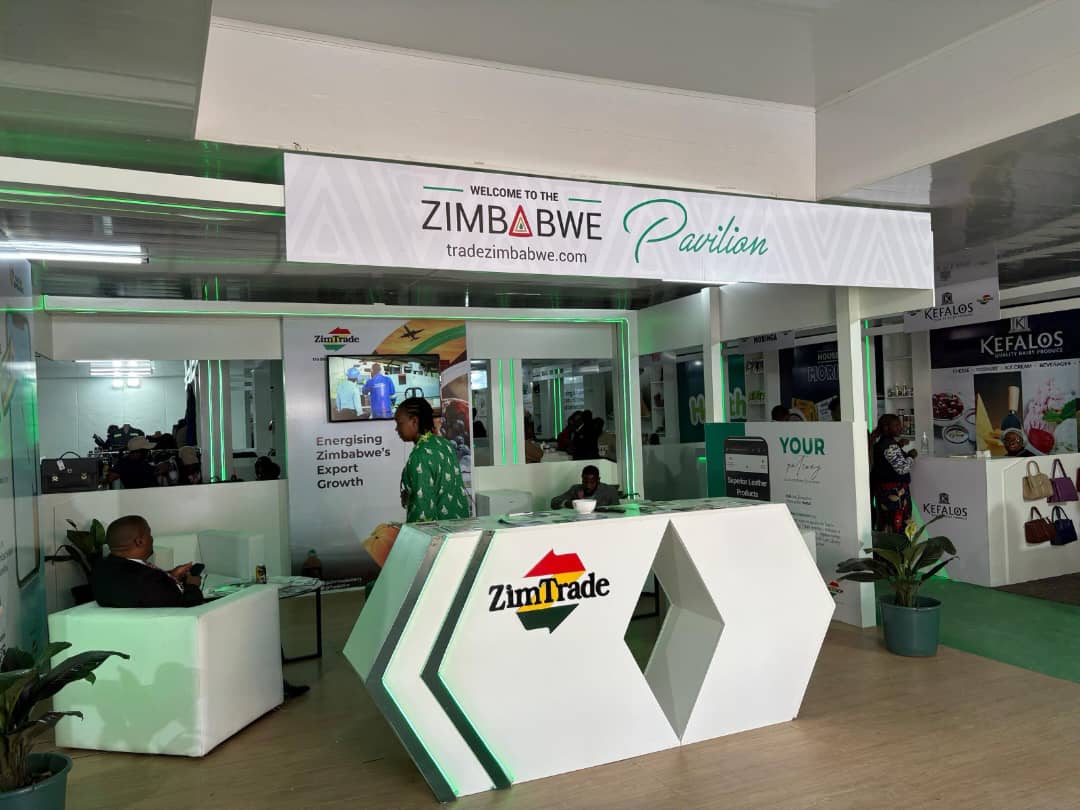

FOREIGN Affairs and International Trade Minister, Professor Amon Murwira, has challenged ZimTrade to adopt a broader and more transformative understanding of trade, urging the organisation to turn Zimbabwe’s national capabilities into competitive goods and services for the global market.
Speaking as Guest of Honour at the 2026 ZimTrade Strategic Planning Review Workshop, in Harare, Prof Murwira said trade should go beyond the conventional exchange of goods and focus on meeting human needs, creating wealth and improving livelihoods.
“Trade is fundamentally about meeting human needs and improving livelihoods. From food, clothing and shelter to transport, technology, knowledge and innovation, trade connects what people produce with what others need,” he said.
He said Zimbabwe had enormous potential to expand its export base by harnessing creativity, intellectual property, indigenous knowledge, technology and innovation.
Prof Murwira challenged ZimTrade to look beyond traditional exports such as minerals and agricultural produce, saying the country must begin to recognise and commercialise the value embedded in its knowledge, skills and technological capabilities.
“ZimTrade must look beyond traditional exports such as minerals and agricultural produce, tapping into the country’s creativity, intellectual property, indigenous knowledge, technology and innovation,” he said.
The Minister said Zimbabwe needed to move away from an export model heavily reliant on raw materials towards one anchored on value addition, knowledge-based production and the trading of expertise and technologies.
He said the country should not only export finished products, but also explore opportunities to trade in the knowledge, skills and technologies used to develop those products.
Prof Murwira’s remarks highlight the need for a paradigm shift in Zimbabwe’s approach to international trade, with greater emphasis on innovation, productivity and the development of high-value exports.
He said the success of the country’s trade strategy should not be judged solely by the volume of goods exported, but also by its impact on people’s lives.
“The ultimate measure of trade is not simply the volume of goods exported, but how effectively it meets human needs, creates wealth, generates employment and contributes to prosperous, happy and fulfilling lives,” he said.
His remarks come as Zimbabwe continues to pursue economic transformation through increased production, value addition and export diversification, in line with the country’s broader development aspirations.
The call places ZimTrade at the centre of efforts to identify new export opportunities, strengthen the competitiveness of local enterprises and position Zimbabwean products and services in international markets.
The workshop provided an opportunity for the organisation to reflect on its strategic direction and consider how it can better support the country’s ambition to build a diversified, innovation-driven and globally competitive economy.