Zimbabwe’s mining sector is developing 1,313 megawatts (MW) of captive power projects over the next three years as companies move to secure reliable electricity supplies to sustain expanding operations.
According to the Chamber of Mines’ 2026 survey data, the projects are being driven by rising electricity demand from the mining boom, which has outstripped the capacity of the national grid to meet industrial requirements.
Ferrochrome producers, are among the country’s biggest power consumers, accounting for projects with a combined capacity of 660MW.
Zimplats and Zimasco are leading the investment drive with planned generation capacities of 185MW each, followed by Afrochine and Jin Yi at 150MW apiece.
“Other projects include Jin An (120MW), Global Alloys (105MW), China Zim (100MW), Dinson (70MW), Nelson Holdings and Well Mining (60MW each), Caledonia (45MW), Mimosa (38MW), Tonghui (35MW) and Unki (10MW),” read the report.
The projects highlight the mining industry’s growing investment in independent power generation in an effort to reduce reliance on the national grid and ensure uninterrupted production.
The planned 1,313MW capacity is expected to strengthen electricity supply for mining operations while supporting increased mineral production and value addition.
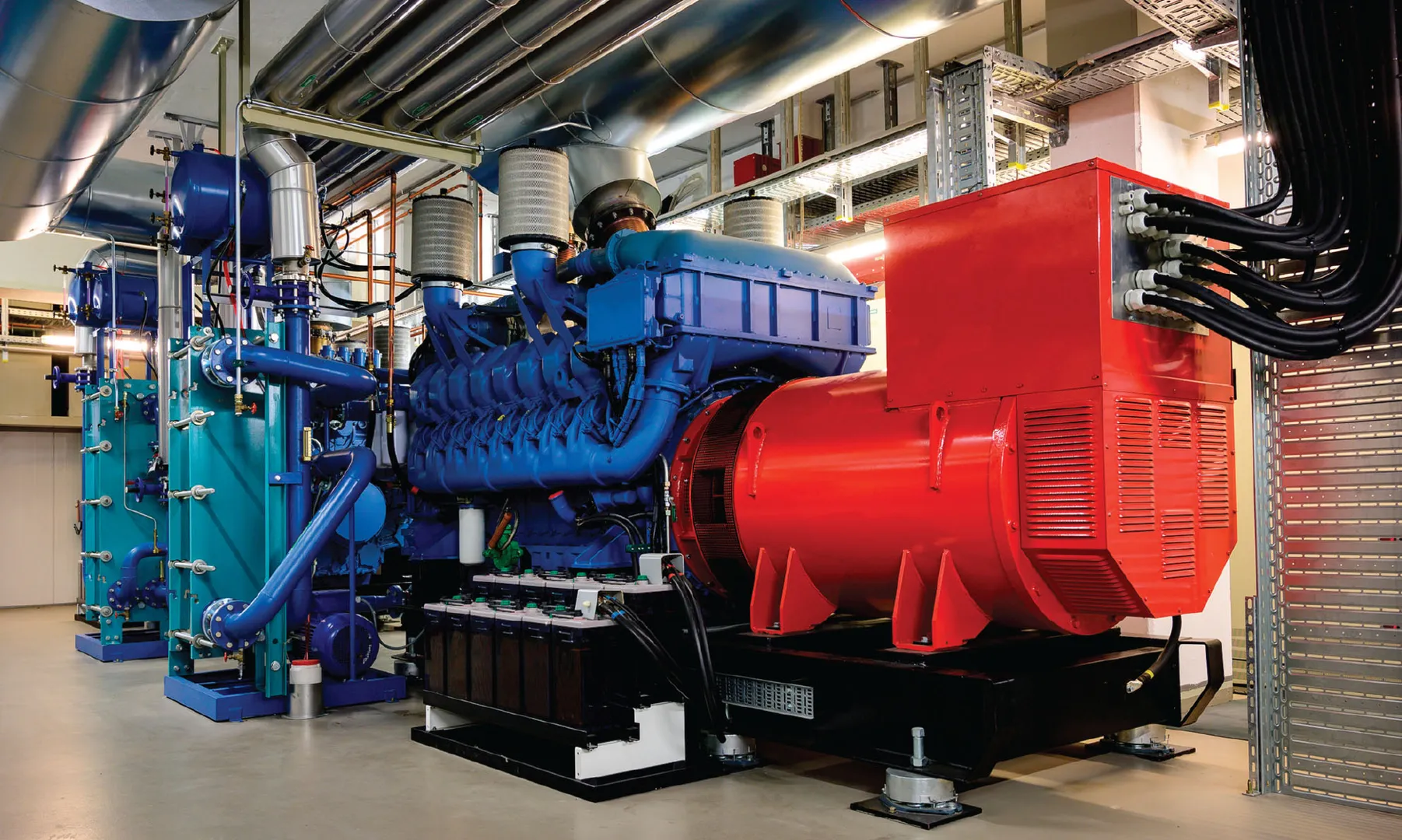
Captive power generation, which involves companies producing electricity primarily for their own operational requirements, is increasingly emerging as a strategic response to energy security challenges, particularly among large-scale mining and mineral processing operations.
The anticipated 1,313MW capacity represents a substantial addition to Zimbabwe’s electricity generation potential.
The developments also highlight the growing role of private-sector investment in strengthening the country’s energy capacity, complementing broader efforts to secure adequate electricity supplies to support industrial expansion and economic growth.
The investments also complement national efforts to expand energy generation capacity in line with Zimbabwe’s industrialisation and economic growth ambitions.