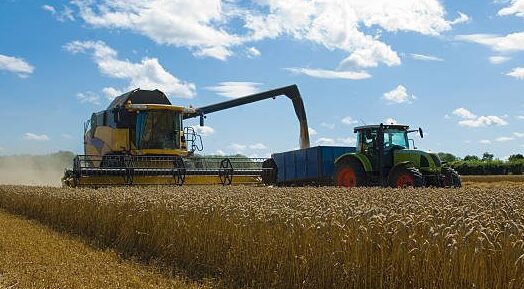

Government is targeting to build the Strategic Grain Reserve to at least 600 000 metric tonnes as Zimbabwe intensifies preparations for an anticipated El Niño-induced drought during the 2026/2027 summer cropping season.
The planned grain procurement forms part of a comprehensive food security strategy aimed at safeguarding national grain stocks, protecting livestock and strengthening household resilience against possible dry conditions.
Speaking during a Post-Cabinet Media Briefing in Harare, yesterday, Minister of Information, Publicity and Broadcasting Services, Dr Zhemu Soda, said the Government was implementing a range of measures to enhance preparedness and minimise the potential impact of the anticipated drought.
Dr Soda said the Grain Marketing Board’s Strategic Grain Reserve currently stood at 374 280 metric tonnes, with authorities working to increase the stock to the targeted 600 000 tonnes.
Dr Soda highlighted that significant resources had been mobilised to strengthen the country’s grain reserves and climate-proof agricultural production.
“The strategic grain reserve is now standing at 374 000 metric tonnes, and we are building up to 600 000,” he said.
Treasury has allocated US$400 million towards the El Niño-induced drought response under the country’s integrated financing framework, with US$250 million earmarked for the National Strategic Grain Reserve.
The remaining resources will support interventions designed to enhance agricultural productivity and protect farming communities from the effects of climate variability.
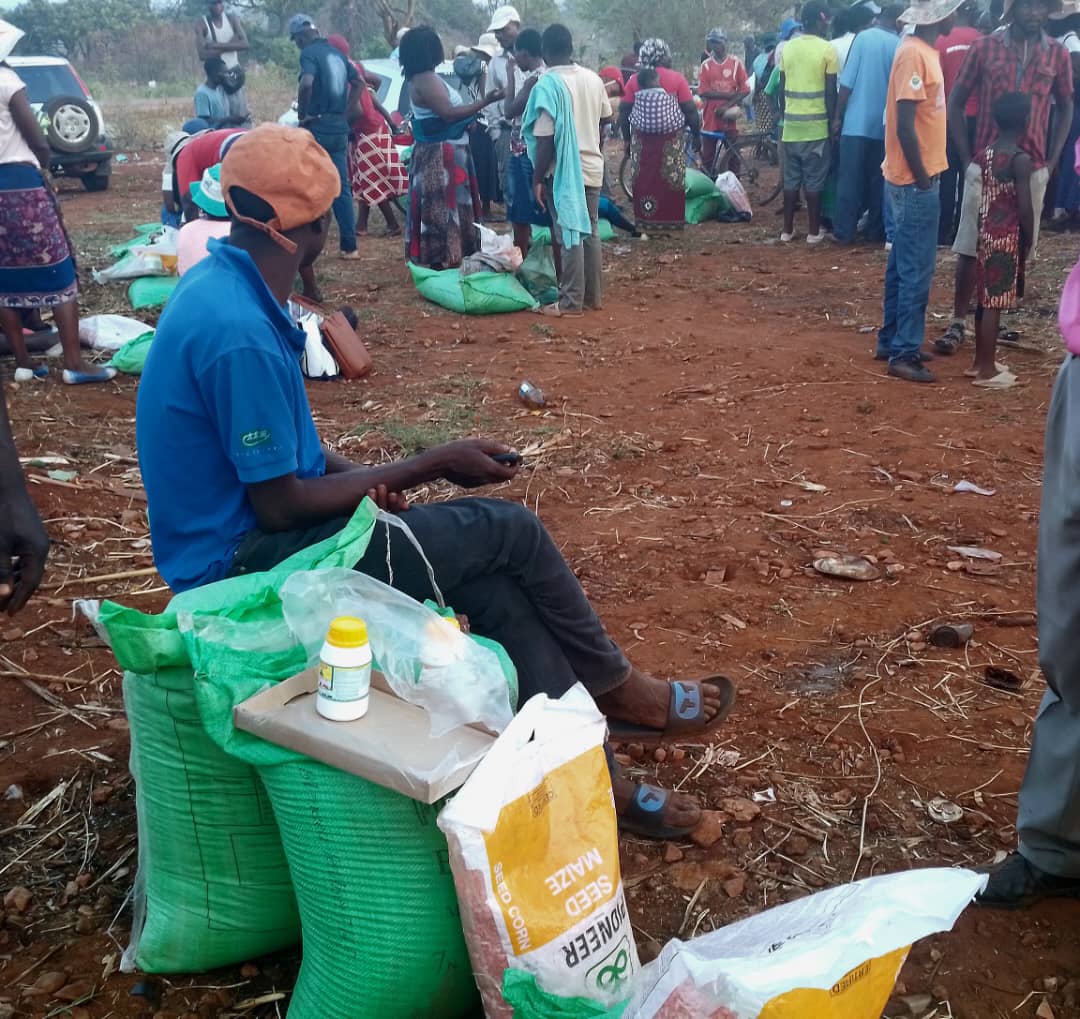
Government is also promoting climate-smart agricultural practices through the Pfumvudza-Intwasa programme, which encourages conservation agriculture, efficient water utilisation and improved crop production.
The country’s total irrigated area currently stands at 308 969 hectares, of which 130 316 hectares have been planted, producing 608 624 metric tonnes of agricultural output, according to the Cabinet update.
A further 119 068 hectares have been identified for irrigated maize production as Government seeks to expand the area under irrigation and reduce reliance on rainfall-dependent farming.
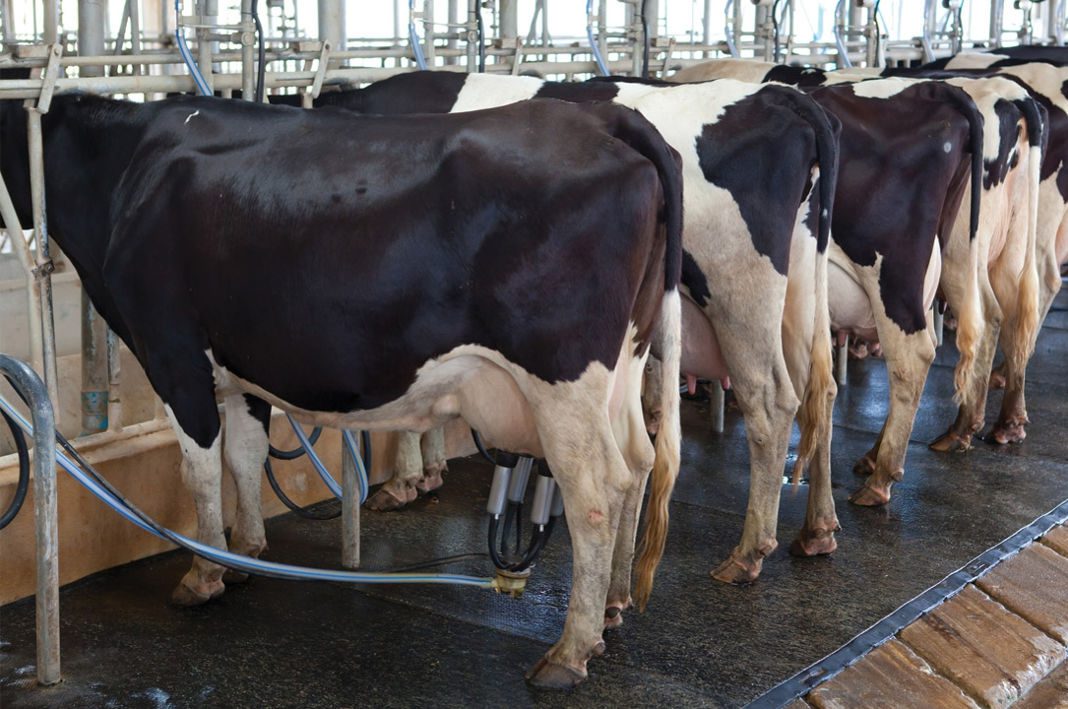
In addition, Government has allocated US$1 million towards livestock-related interventions to mitigate the anticipated drought’s impact on the national herd.
Dr Soda said 2 299 284 cattle, representing approximately 40% of Zimbabwe’s national herd, were at risk from the projected dry conditions.
The livestock interventions are expected to help protect animals through measures aimed at improving access to water, feed and other essential support during the drought period.
The measures form part of Government’s broader commitment to strengthening national food security, protecting agricultural livelihoods and ensuring that the country remains prepared for possible crop losses and livestock vulnerability during the forthcoming farming season.