
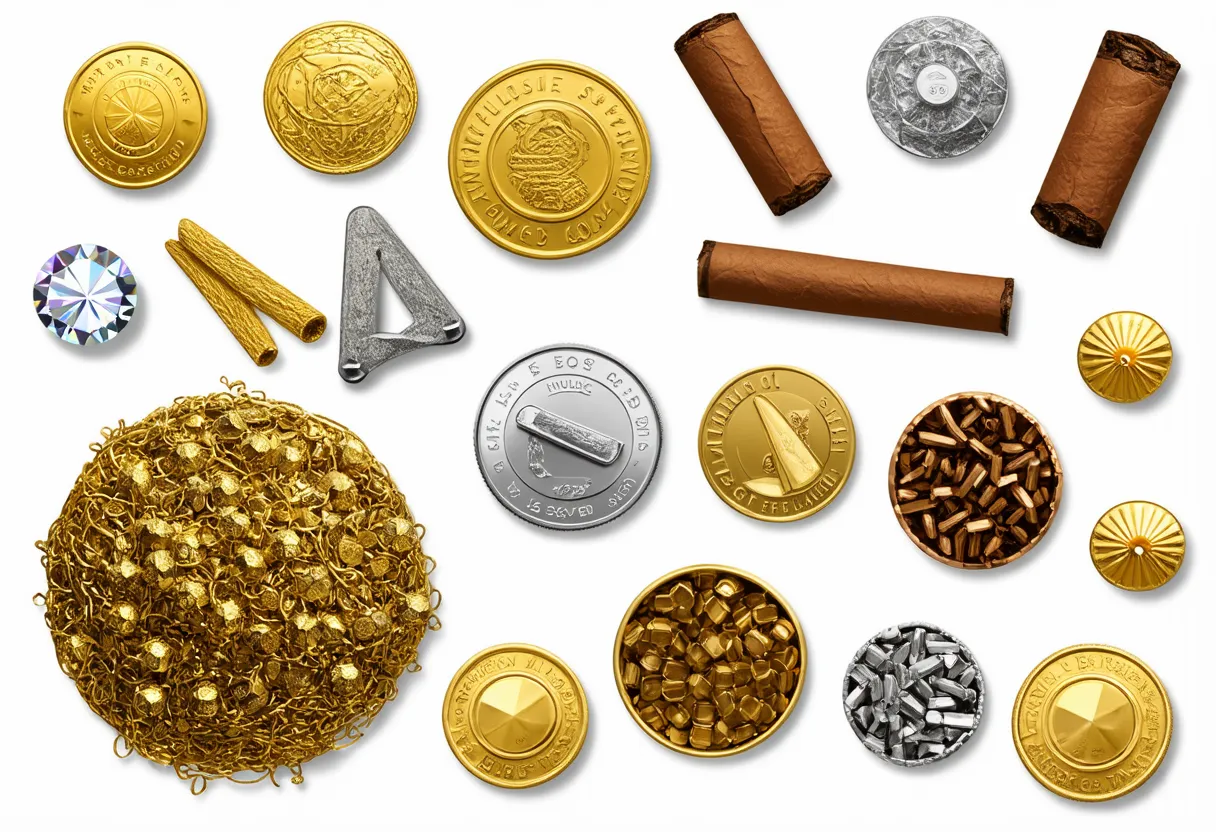
Zimbabwe’s export basket continues to be dominated by gold, nickel, and tobacco, which collectively account for over 70 percent of the country’s total exports.
While this mineral-driven performance has led to Zimbabwe achieving its first trade surplus in 20 months, experts are urging stronger value addition and beneficiation strategies to enhance foreign currency earnings and industrial growth.
According to the latest data from the Zimbabwe National Statistics Agency (ZIMSTAT), the country recorded a trade surplus of over US$7.2 million in August 2025, marking a significant turnaround after nearly two years of trade deficits.
This milestone was propelled by increased export receipts, particularly from semi-processed gold, which contributed over 52 percent of total export earnings. Nickel mattes accounted for 14 percent, while tobacco contributed over 8 percent.
Speaking to the media on the sidelines of the Common Market for Eastern and Southern Africa (COMESA) Business Journalists Workshop in Nairobi, Kenya, recently ZIMSTAT Director General, Mrs Tafadzwa Bandama highlighted that while the recent trade performance was commendable, there remains a strong need for Zimbabwe to transition from exporting raw materials to processed and finished goods.
“A major economic milestone was recorded when Zimbabwe realised an over US$7.2 million trade surplus in August this year. However, the need to value add commodities is critical in boosting overall earnings and ensuring the economy captures more value from its natural resources,” said Bandama.
She explained that sustained export growth depends on the country’s ability to diversify and industrialise.
“Export growth can only be sustained through value addition or processed goods because currently, the nation is mainly exporting primary products. However, with the bullish global gold prices and government interventions to implement beneficiation, we expect the export growth trajectory to continue,” she added.
The agency also noted that increased export receipts have had a positive impact on key macroeconomic indicators, improving Zimbabwe’s balance of payments position and strengthening foreign currency inflows that are vital for economic stability.
Economists and trade experts believe that by processing its minerals and agricultural products locally, Zimbabwe could generate higher export earnings, create more jobs, and stimulate downstream industries.
Government’s ongoing industrialisation and beneficiation agenda, which aligned with Vision 2030 aims to transform the country into an upper-middle-income economy driven by value-added exports.
Additionally, COMESA presents vast opportunities for Zimbabwe to expand its trade footprint. Through regional integration and enhanced industrial cooperation, the country could tap into a market of over 600 million consumers, positioning itself as a competitive exporter of processed goods within Africa.
With its trade surplus signalling renewed growth momentum, Zimbabwe now faces the critical task of moving beyond raw exports and building a value-added economy that maximises the benefits of its vast natural and agricultural resources.