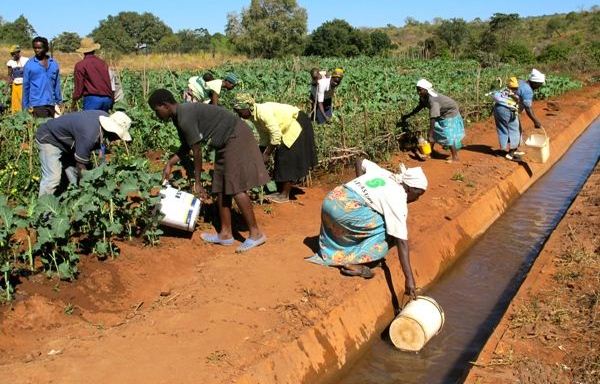
Zimbabwe’s horticulture sector is recording impressive growth, with the Ministry of Lands, Agriculture, Fisheries, Water and Rural Development highlighting its critical role in ensuring national food security, economic development, and climate resilience.
Permanent Secretary in the ministry, Professor Obert Jiri, said the latest crop and livestock assessment shows that horticulture is performing exceptionally well, largely due to its reliance on irrigation rather than rain-fed agriculture.
“From our last crop assessment, we saw that horticulture is performing very well. It is not largely affected by drought because, ordinarily, it is produced under irrigation,” said Prof Jiri.
He said Zimbabwe is now producing enough key horticultural crops to meet national demand and reduce dependency on imports.
“We are seeing more and more farmers coming on board. We are no longer importing potatoes, cabbages, or rape because we are producing more than enough,” he said.
Prof Jiri noted that potato production, in particular, has exceeded expectations. The country requires about 9 750 hectares under potato production annually. So far, over 5 000 hectares have been planted in the first half of the year, with projections indicating that farmers will cover the remaining hectares in the second half.
“In the second half of the year, we expect farmers to plant more than 4 000 hectares. The demand is especially high in resort areas, such as Victoria Falls, and farmers are responding,” he said.
The Permanent Secretary also highlighted a rise in the production of high-value crops, such as blueberries, driven by export demand and growing investor confidence in the sector.
“Horticulture remains one of the most promising sectors. Blueberries, in particular, are on the rise due to increased export markets,” said Prof Jiri.
The resilience of the horticulture sector has become even more significant as the country experiences changing climatic patterns, with frequent droughts and unpredictable rainfall affecting traditional crop farming.
Meanwhile, the Government has pledged continued support for the horticulture sub-sector through irrigation infrastructure development, technical assistance, and enhanced market access. With its strong performance and strategic importance, the horticulture sector is positioning itself as a key driver of agricultural transformation, rural livelihoods, and sustainable economic growth in Zimbabwe.