Zimbabwe has reaffirmed its commitment to global justice and African solidarity at the Second African Union-Caribbean Community (AU-CARICOM) Summit, held, yesterday, in Addis Ababa, Ethiopia.
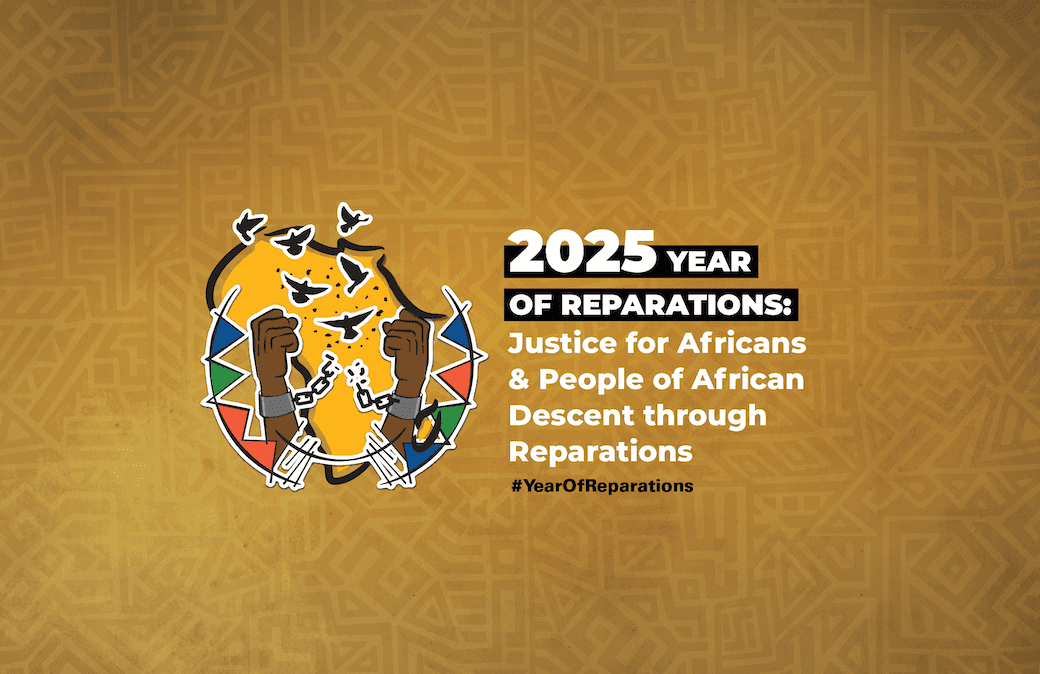
The high-level summit, convened under the theme “Justice for Africans and People of African Descent through Reparations,” brought together heads of state, diplomats, and civil society leaders from across Africa and the Caribbean. The gathering aimed to push forward a unified agenda for reparatory justice and inclusive development, focusing on historical redress and future empowerment.
Representing President Emmerson Mnangagwa, the Minister of Justice, Legal and Parliamentary Affairs, Ziyambi Ziyambi, delivered a strong message urging coordinated action between the African Union (AU), CARICOM, and the wider African Diaspora.
“The issue of reparatory justice is not only a moral obligation but also a political and economic necessity. We must establish a Transcontinental Partnership Framework that unites Africa, the Caribbean, and the global African Diaspora in pursuit of justice and empowerment,” Minister Ziyambi said.
Zimbabwe also threw its weight behind the proposal to establish a Reparations Joint Mechanism, which would harmonise strategies and present a unified case for reparations at the global level. According to the minister, reparations should not only take the form of financial compensation but also include formal apologies, debt cancellation, and targeted development programmes that uplift historically marginalised communities.
The summit also tackled issues of global governance and fair representation. Zimbabwe joined other member states in demanding permanent African representation in key global decision-making bodies such as the United Nations Security Council (UNSC) and the G20.
“Zimbabwe stands firm in its belief that Africa must be heard and represented where decisions affecting our future are made,” Ziyambi stressed.
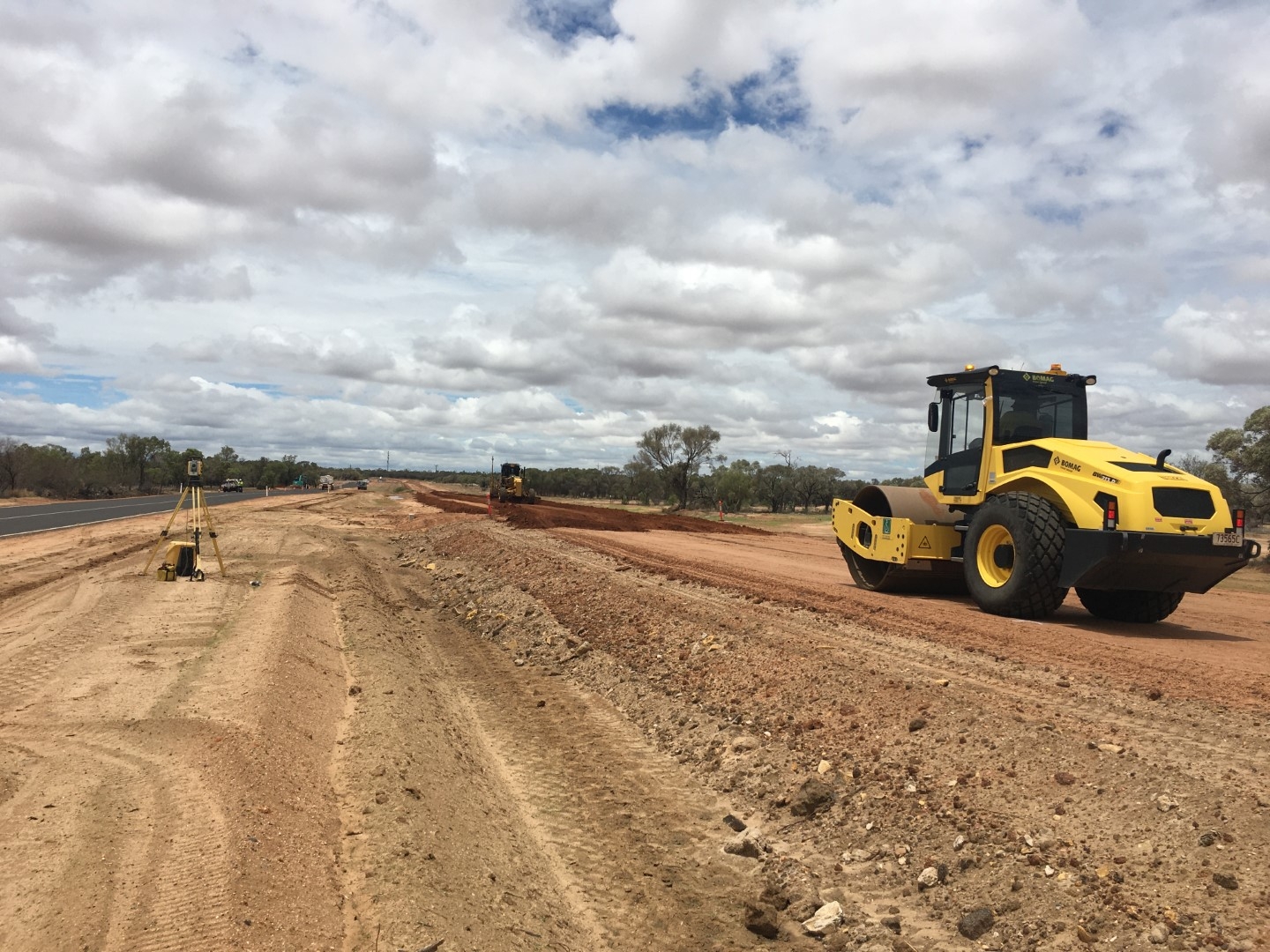
These calls resonate with the AU’s Agenda 2063 and CARICOM’s 10-Point Plan, which both place justice, prosperity, and sustainable development at the heart of their long-term vision. Zimbabwe further underscored its own efforts towards reparatory justice by pledging continued investment in infrastructure, industry, and job creation, ensuring that citizens benefit from an inclusive development model.
“The time for action is now. We must move beyond rhetoric and build mechanisms that deliver real change for our people,” the minister added.
The summit concluded with a renewed commitment from participating nations to strengthen Afro-Caribbean ties, amplify the push for reparatory justice, and ensure that the voices of Africans and people of African descent are central in shaping a fairer global order.