Harare is poised for a major transformation of its transport landscape, with nine new interchanges set for construction as the Government accelerates infrastructure modernisation under the National Development Strategy 2 (NDS2).
The initiative comes on the back of recent milestones, including the completion of the Trabablas Interchange and ongoing works on the Mabvuku Interchange, which together signal sustained momentum in upgrading the capital’s road network.
In an interview with the media yesterday, Minister of Transport and Infrastructural Development, Felix Mhona, said the Government has embraced innovative financing mechanisms to reduce the burden on the national budget.
“One of the key constraints to infrastructure development is overreliance on the fiscus. We have therefore adopted alternative funding models for this project to ease pressure on taxpayers.
“Infrastructure development remains a central pillar of NDS2, aimed at strengthening economic productivity by improving transport efficiency and connectivity across key sectors,” he said.
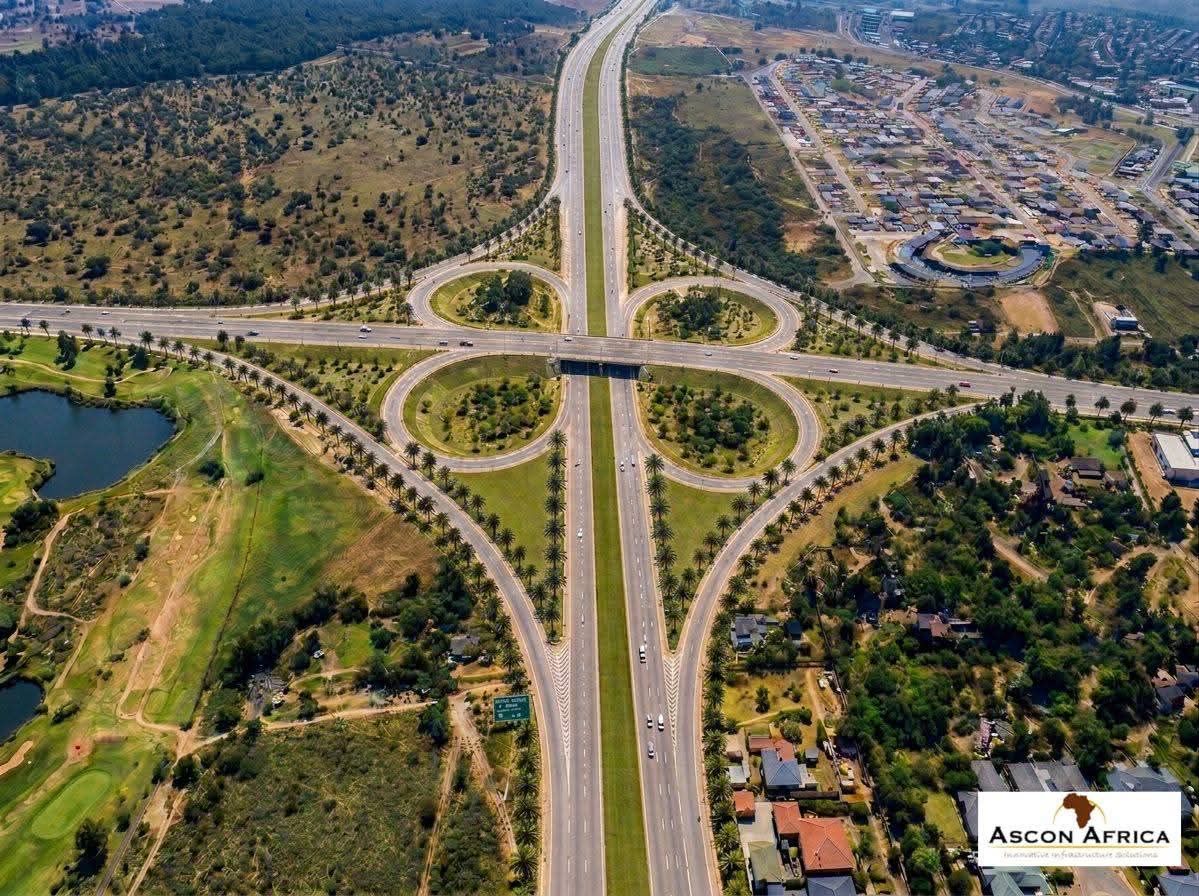
Work is already underway on one of the nine planned interchanges, located at the junction of Joshua Mqabuko Nkomo Road and Harare Drive.
Deputy Director of Construction in the Ministry of Transport and Infrastructural Development, Engineer Virginia Mawere, said the programme is designed to ease congestion and enhance mobility within Greater Harare.
“This project involves constructing nine interchanges across the city, completing the Harare Drive–Airport Road missing link, and upgrading major roads leading to the Robert Gabriel Mugabe International Airport,” she said.
Contractor Makomo Engineering confirmed that the first phase will take approximately 36 months to complete.
“The current interchange covers a 13-kilometre radius and is scheduled for completion by November, while the full programme will span about 36 months,” said Mr Zou.
Once completed, the expanded road network is expected to significantly improve traffic flow and enhance accessibility to the upgraded Robert Gabriel Mugabe International Airport, strengthening its role as Zimbabwe’s strategic economic gateway.