International Nursing Day, observed annually on 12 May, is a global recognition of the contribution nurses make to health systems and societies. In Zimbabwe, this day is not just ceremonial it is deeply personal.
It speaks to thousands of nurses working daily in provincial hospitals, district clinics, mission hospitals and rural health centres, often forming the first and most consistent line of care for millions of Zimbabweans. From Harare Central Hospital to rural outposts in Binga, Chipinge and Gokwe, nurses continue to define what it means to serve with compassion, skill and endurance.
In Harare, nurses at institutions such as Parirenyatwa Group of Hospitals and Sally Mugabe Central Hospital continue to handle high patient volumes, particularly in maternity and emergency wards. Every day, maternity nurses attend to dozens of expectant mothers, many arriving in labour and requiring immediate care.
These nurses not only assist in deliveries but also guide mothers through postnatal recovery, breastfeeding support and newborn care. Their presence has remained central to sustaining maternal health services in a city where demand consistently outpaces available resources.
At Sally Mugabe Central Hospital, paediatric nurses in the children’s wards routinely care for infants suffering from pneumonia, malnutrition and other preventable conditions.
Their work goes beyond clinical treatment they comfort distressed parents, monitor recovery closely, and ensure that even in difficult circumstances, children receive attentive and humane care. These daily acts of dedication rarely make headlines, yet they define the lived reality of Zimbabwe’s health system.
In Bulawayo, nurses at Mpilo Central Hospital continue to play a critical role in surgical and trauma care. Emergency nurses often respond to accident victims brought in from surrounding highways, stabilising patients and coordinating urgent care with limited time and immense pressure. Their quick decision-making and calm professionalism have saved countless lives, making them indispensable in emergency medicine.
Beyond major cities, the true heart of Zimbabwe’s nursing profession can be seen in rural health centres. In places such as Tsholotsho, Mudzi and Mwenezi, nurses often operate clinics that serve entire districts.
In many of these facilities, a single nurse may manage outpatient consultations, maternal health services, immunisation programmes and pharmacy duties all in one day. Despite limited infrastructure, they ensure that communities still receive essential healthcare services without having to travel long distances.
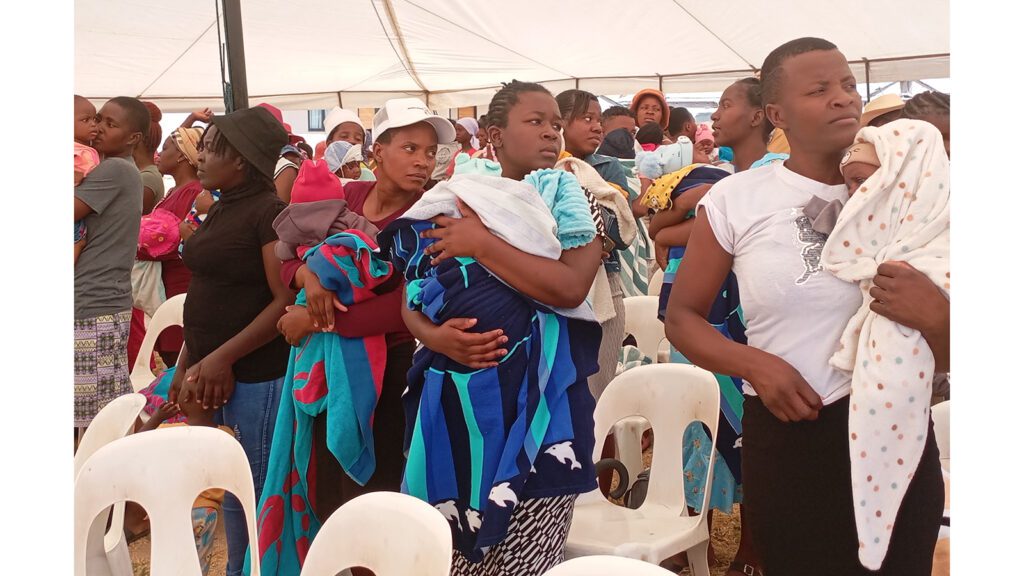
A powerful example of their impact is seen in Zimbabwe’s expanded immunisation programmes. Nurses across the country have been at the forefront of recent vaccination campaigns, including child immunisation drives and public health outreach in rural districts.
In provinces such as Mashonaland Central and Manicaland, nurses travel with outreach teams to remote villages, sometimes on difficult terrain, to ensure children receive life-saving vaccines. Their commitment has contributed significantly to improving child health indicators nationwide.
Midwives in Zimbabwe deserve particular recognition on this day. At district hospitals such as Chitungwiza Central Hospital and Gweru Provincial Hospital, midwives continue to manage high volumes of deliveries daily.
Many mothers recall nurses who guided them through complicated labour, offering reassurance and steady care during critical moments. In rural areas, midwives are often the only skilled birth attendants available, making their role not only important but life-saving.
The role of nurses in HIV and tuberculosis care also remains central. At specialised clinics and general hospitals alike, nurses provide counselling, treatment adherence support and ongoing monitoring for patients on long-term medication.
In cities like Harare and Mutare, nurses working in HIV treatment centres ensure that patients remain on life-saving antiretroviral therapy, offering both medical and emotional support that strengthens adherence and improves outcomes. Their work has been instrumental in sustaining Zimbabwe’s progress in HIV management.
Nurses have also been at the forefront of community health outreach programmes. In areas such as Chiredzi and Nkayi, community nurses regularly conduct health education sessions in schools, churches and village gatherings.
They teach families about hygiene practices, nutrition, malaria prevention and maternal care. These efforts help bridge the gap between health facilities and communities, ensuring that healthcare knowledge reaches even the most remote households.
A notable recent example is the continued expansion of outreach services supported by district health teams, where nurses travel long distances to provide cervical cancer screening, antenatal care and health education.
These mobile services have brought essential care closer to women who would otherwise struggle to access regular hospital visits, particularly in rural Zimbabwe.
During seasonal disease outbreaks such as cholera or typhoid, nurses are among the first responders, working in treatment centres and isolation units.
In previous outbreaks affecting areas like Chegutu and Budiriro, nurses were instrumental in patient care, infection control and recovery support. Their ability to respond quickly and effectively under pressure highlights their importance in safeguarding public health.
Training institutions such as the Zimbabwe School of Nursing continue to produce skilled professionals who enter the workforce each year, ready to serve in diverse healthcare environments.
Many young nurses begin their careers in provincial hospitals such as Masvingo Provincial Hospital or United Bulawayo Hospitals, where they quickly adapt to demanding workloads and develop strong clinical competence under experienced mentors.
What stands out most about Zimbabwe’s nurses is not only their technical skill, but their humanity. Patients often remember nurses not just for treatment received, but for the kindness shown during difficult moments.
Whether it is a nurse holding the hand of a frightened patient, comforting a mother after childbirth, or patiently explaining medication instructions, these gestures form the emotional foundation of healthcare in Zimbabwe.
International Nursing Day is therefore a moment of national gratitude. It is a time to recognise the nurses who continue to serve in crowded wards, rural clinics, emergency rooms and community outreach programmes. Their work is visible in healthier mothers, vaccinated children, recovered patients and strengthened communities.
As Zimbabwe celebrates this day, it is clear that nurses are not simply part of the healthcare system they are its foundation. Their presence ensures that care is delivered with dignity, compassion and professionalism across the country. From urban hospitals to the most remote villages, Zimbabwe’s nurses continue to carry the health of the nation in their hands.
Today, they are not just being acknowledged. They are being honoured for the lives they touch every single day.