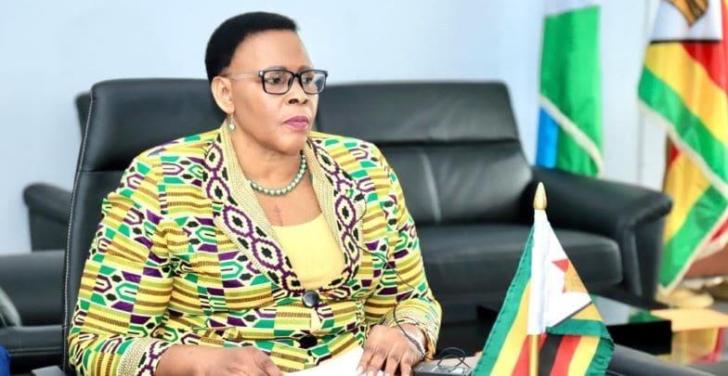
ZANU-PF Women’s League Chairperson, Senator Mabel Chinomona has called for greater participation of women in leadership, industry and economic decision-making, saying their full inclusion is essential to Zimbabwe’s industrialisation and national development agenda.
Speaking during a meeting of female senior civil servants in Harare held under the theme “Harnessing the Collective Power of Women,” Chinomona said the country’s development aspirations could only be realised through the meaningful integration of women into governance and productive sectors of the economy.
“Women are not just beneficiaries of development, but active architects of national progress. Their inclusion in leadership and industry is essential for the country’s industrialisation agenda,” she said.
Chinomona noted that women continue to play a critical role in sustaining families, communities and local economies despite facing barriers that limit access to economic opportunities.
“It is important that national policies and economic structures deliberately create opportunities that uplift women and empower them to participate fully in the mainstream economy,” she said.
She added that the Women’s League would continue advancing programmes aimed at economically empowering women across various sectors.
“We want to see more women participating in mining, manufacturing, agro-processing, tourism and other productive sectors in line with Vision 2030,” said Chinomona.
The Women’s League Chairperson stressed that empowering women at grassroots level was key to improving household incomes and strengthening communities.
“When women are empowered economically, entire communities benefit. Industrialisation cannot succeed if half of the population is excluded,” she said.
In a speech delivered on his behalf by ZANU-PF National Political Commissar Munyaradzi Machacha, Secretary General Jacob Mudenda said the growing appointment of women to influential positions reflected increasing recognition of their contribution to national development.
“Sustainable national development cannot be achieved without the meaningful participation of women in governance, education, the judiciary and the civil service,” said Mudenda.
The meeting highlighted growing consensus that women’s empowerment is not only a social justice issue, but also an economic imperative critical to the country’s industrialisation and value-addition drive under the National Development Strategy 2 framework.
Women leaders attending the engagement said the focus should now shift from discussions on inclusion to practical measures that expand opportunities for women to lead, innovate and participate equally in national development.