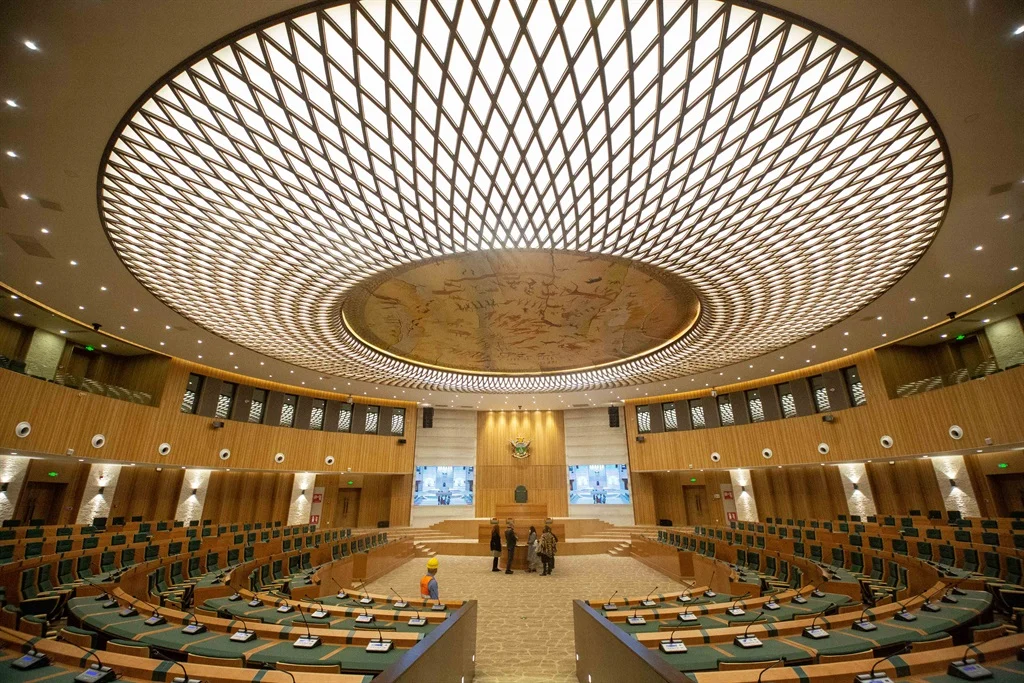
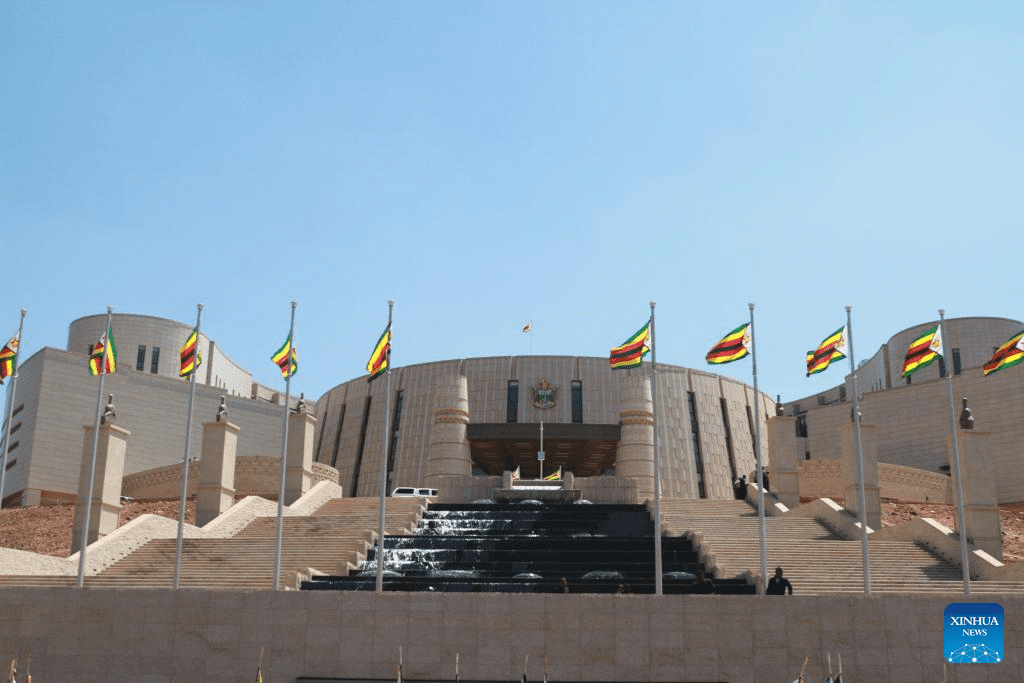
Parliament is set to reconvene on Tuesday to consider and vote on amendments proposed by the Senate to Constitutional Amendment Bill No. 3 after it emerged that several provisions had been overlooked when the National Assembly initially passed the legislation.
The Senate approved the Bill on Wednesday with the constitutionally required two-thirds majority, with 75 senators voting in favour and four against. However, during its deliberations, senators identified omissions in the Bill, prompting amendments that now require endorsement by the National Assembly before the legislation can be transmitted to the President for assent.
One of the most significant amendments addresses the procedure for convening the first sitting of Parliament following a general election under the proposed constitutional framework.
The amendment provides for Parliament to be called into its first sitting before the election of the President by Members of Parliament, correcting what Government described as an oversight in the original Bill.
Last week, the National Assembly passed the Bill with overwhelming support after 260 legislators voted in favour while 42 opposed it.
Justice, Legal and Parliamentary Affairs Minister Ziyambi Ziyambi said arrangements were underway to recall Parliament from its current adjournment so lawmakers could deal with the Senate’s amendments.
Parliament had adjourned until July 7, but the urgent constitutional business now requires legislators to return earlier.
Minister Ziyambi said he would engage the Chief Secretary to the President and Cabinet, Dr Martin Rushwaya, to facilitate the publication of a General Notice recalling Parliament for Tuesday’s sitting.
He described Constitutional Amendment Bill No. 3 as one of the most extensively debated pieces of legislation in the country’s parliamentary history.
“By and large, this Bill is one of the most debated, I think, in the history of our Parliament,” he said.
Minister Ziyambi noted that about 55 senators participated in the debate, while only four opposed the Bill. He added that one senator who had initially expressed reservations eventually voted in support of the legislation.
“The other one who was dissenting decided to vote for the Bill,” he said.
“In the history of the Senate, normally when we debate these Bills, we rarely have more than 10 people debating, but we had around 55, which was more than two-thirds majority.”
He said senators had identified an important constitutional inconsistency relating to the procedure for convening Parliament after elections.
“So, at the close of business, we debated, and we then did the Committee Stage. What was interesting and inspiring was that the Senate managed to pick up a few issues that were left out by the National Assembly,” he said.
“Notably, currently in the Constitution, the President-elect is first sworn in and once he is sworn in, he then calls Parliament for its first sitting.
“But because now we are having Parliament electing the President, we had an oversight and we did not amend to give provision for the calling of Parliament for its first sitting before the election of the President.
“This is because now you cannot have an outgoing President calling Parliament for its first sitting.”
Minister Ziyambi explained that the amendment now empowers the Clerk of Parliament to convene the inaugural sitting through a Gazette notice.
“We then amended that part when Senators highlighted it, so that we would then have a provision for the Clerk of Parliament by notification, in terms of a gazette, to call Parliament to its first sitting where it would elect the Speaker, the President of the Senate and then ultimately the President.
“So, that was the major amendment that the Senate did besides consequential amendments where Senators just said let’s just clean up the Constitution,” he said.
He explained that, in terms of parliamentary procedure, whenever the Senate passes a version of a Bill that differs from that approved by the National Assembly, it must be returned to the Lower House for consideration.
“The procedure is, once there are variations or the Bill that is passed by the Senate is different from the one that was passed by the National Assembly, you have to transmit it back to the National Assembly and indicate that the Senate is proposing these amendments for the National Assembly to vote and endorse or reject,” he said.
Minister Ziyambi said the President would recall Parliament through a General Notice to enable lawmakers to consider the Senate’s amendments before the Bill is forwarded for Presidential assent.
“We have advised the Chief Secretary so that the necessary General Notice is issued calling back Parliament next Tuesday just to look at those minor amendments,” he said.
Once the National Assembly endorses the Senate’s proposed amendments, the Bill will be transmitted to the President for assent, completing the legislative process.