
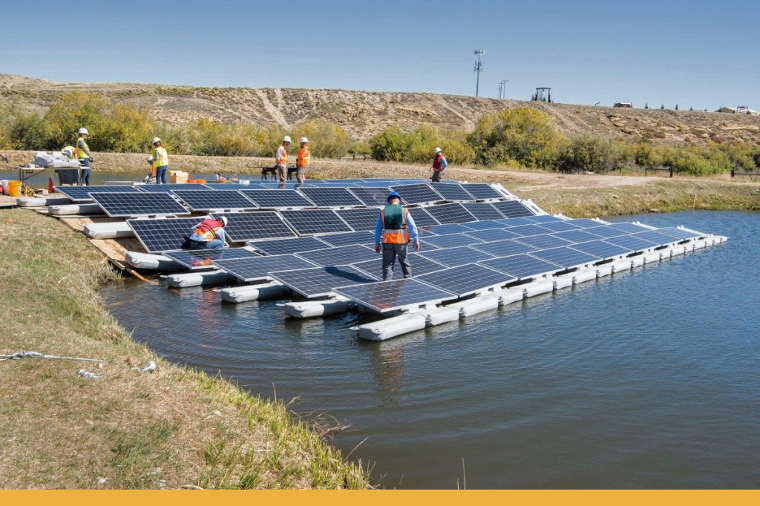
Zimbabwe is on the verge of securing a landmark US$400 million investment for a 500-megawatt floating solar power project on Lake Kariba, a transformative initiative expected to strengthen the country’s electricity supply, create thousands of jobs and accelerate the transition to clean energy.
The project, being spearheaded by Green Hybrid Power, is targeting financial closure by October, paving the way for construction of one of Zimbabwe’s largest renewable energy developments. Once completed, the first phase will inject 500MW into the national grid, significantly easing power shortages and supporting industrial growth.
The investment comes as Zimbabwe intensifies efforts to improve energy security, reduce dependence on electricity imports and increase renewable energy generation to meet rising demand.
Speaking in an interview last week, Intensive Energy Users Group (IEUG) chairman Eddie Cross said preparations were at an advanced stage, with engineering designs, grid integration plans and financial models nearing completion.
“We are concluding the final planning for the project. The design is being finalised, integration with the national grid is being completed and the budgets are being constructed.
“I hope that we will achieve financial close by October. Once that is done, we will proceed to tender for the various components, including the transmission infrastructure, battery storage complex and the floating solar facility itself. Construction will then begin,” he explained.
Cross said the project is expected to be financed by a consortium of Development Finance Institutions, with the African Export-Import Bank (Afreximbank) leading the funding arrangements.
Besides the floating solar plant, the investment will include a large-scale battery energy storage system and new transmission infrastructure to improve power distribution.
The mining sector, which consumes more than 40 percent of Zimbabwe’s electricity, is expected to be among the biggest beneficiaries.
Cross said priority would be given to companies seeking to transition from carbon-intensive energy sources to renewable power in response to growing international demand for greener production.
The floating solar installation will occupy less than 0,1875 percent of Lake Kariba’s surface area and is expected to coexist with fishing, tourism and water transport activities. Developers also believe the project could support aquaculture through expanded fish farming beneath sections of the solar array.
Zimbabwe currently generates between 1 500MW and 1 800MW against peak demand of about 2 200MW. The Government is targeting 2 100MW of renewable energy capacity by 2030 while supporting nearly US$1 billion worth of Independent Power Producer projects through Treasury-backed guarantees.
Improved domestic electricity generation has already reduced import costs, with the Reserve Bank of Zimbabwe reporting savings of nearly US$92 million last year following increased output from Hwange Units 7 and 8.
With financial closure now within reach, the Kariba floating solar project is poised to become a game-changing investment that will enhance energy security, stimulate economic growth and cement Zimbabwe’s position as a regional leader in renewable energy.