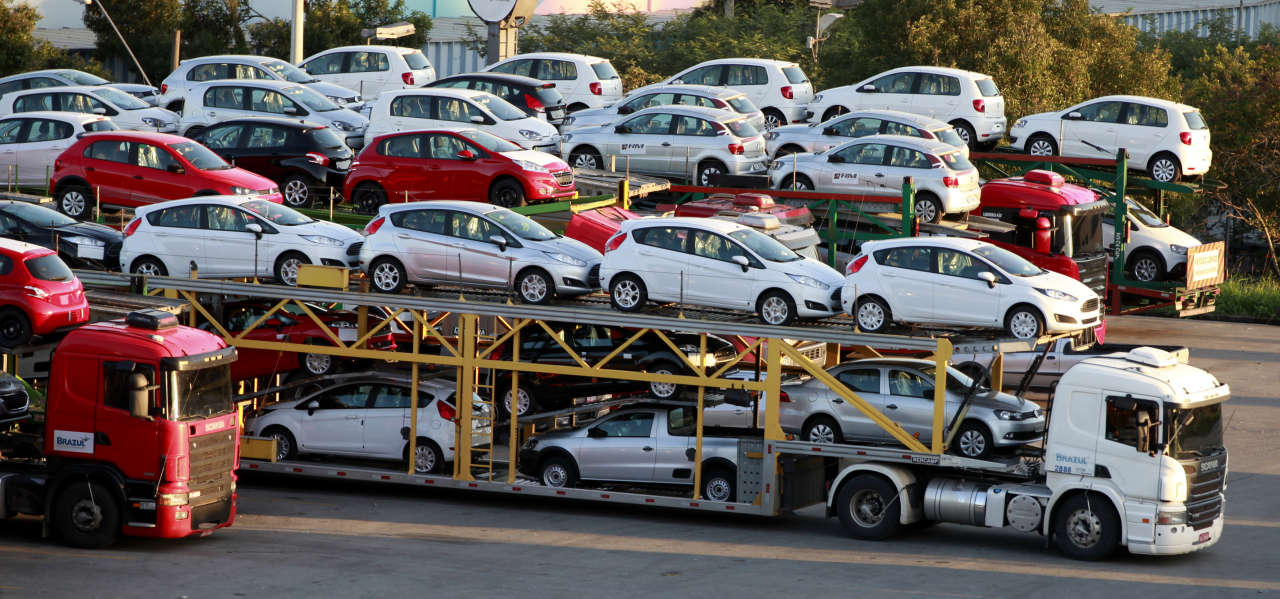
The Ministry of Foreign Affairs and International Trade has warned Zimbabweans to exercise extreme caution when importing vehicles through third-party agents following a surge in cases of fraudulent dealers swindling unsuspecting buyers out of thousands of dollars.
In a statement, yesterday, the Ministry’s Spokesperson, Philisiwe Chidawanyika, said the Embassy in Tanzania had received numerous reports from Zimbabwean vehicle importers who had fallen prey to dishonest agents operating under the guise of facilitating vehicle purchases.
“The Ministry of Foreign Affairs and International Trade hereby advises the public to be cautious of fraudulent car import agents who are swindling buyers out of their hard-earned money,” said Chidawanyika.
She explained that investigations by the Embassy had revealed a common pattern used by the fraudsters, who collect the full purchase price from clients but remit only half of the money to vehicle suppliers.
“The Zimbabwean Embassy in Tanzania has reported an increased number of cases of vehicle importers in Zimbabwe who have approached the Embassy for assistance after being fleeced of their funds by bogus Zimbabwean import agents.
Reports indicate that these deceptive agents are invoicing clients for the full vehicle price, only to disburse 50 percent of these funds to the suppliers,” Chidawanyika added.
She noted that once the vehicles arrive at the Port of Dar es Salaam, communication between the agents and their clients often breaks down.
“Once the vehicles arrive in Dar es Salaam, Tanzania, the agents cut off contact or fabricate excuses, such as cargo loss or non-existent extra fees,” she said.
Chidawanyika urged prospective vehicle buyers to take precautionary measures before entrusting agents with large sums of money, stressing that due diligence is essential to avoid financial losses.
“To prevent financial loss, the public is strongly advised to conduct due diligence before engaging third parties for such transactions, and to ensure that all details of transactions and movement of their vehicles are sent to them directly by the suppliers and not through third parties,” she said.
She further encouraged importers to communicate directly with vehicle suppliers, noting that this would enable buyers to verify transactions and identify trusted local agents.
“Engaging the supplier could be useful to obtain information on reputable local agents that work in collaboration with the suppliers,” Chidawanyika said.
The Ministry urged members of the public to remain vigilant and verify the credibility of vehicle import agents before making any payments, as authorities continue to monitor the growing cases of cross-border vehicle import fraud.