Government is pursuing a holistic approach to building a sustainable and resilient financial system capable of supporting economic growth, development and investment across Zimbabwe.
A strong and credible financial sector is considered critical to mobilising financing for productive sectors of the economy, with sustainability increasingly becoming a key priority for financial institutions.
This emerged at the Financial Sector Sustainability Summit, held in Harare, where local and international delegates gathered to assess progress towards strengthening sustainability within Zimbabwe’s financial sector and the broader economy.
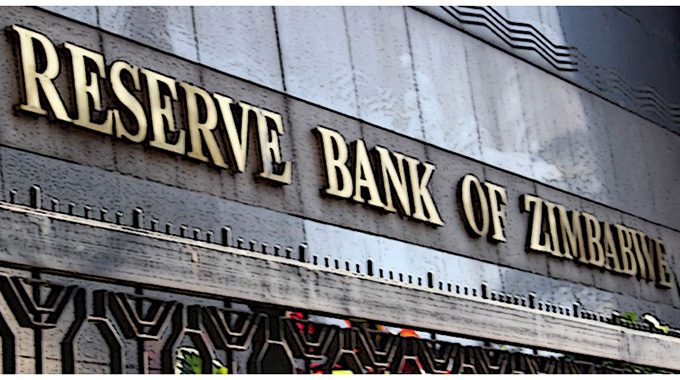
Reserve Bank of Zimbabwe (RBZ) Deputy Governor, Dr Jesiman Chipika said progress had been made towards achieving price, currency and exchange rate stability, which she described as important foundations for restoring confidence in the economy.
“The Central Bank has achieved a lot to create a strong financial system in terms of attaining the lowest inflation level since independence and for a long period we have witnessed price, currency and exchange rate stability which is key in driving economic growth and development,” she said.
Dr Chipika said stability was also important in rebuilding trust and confidence among businesses, investors and other economic players.
The summit provided a platform for stakeholders to exchange experiences and discuss measures that can strengthen the resilience of financial institutions while ensuring that the sector supports the country’s wider development objectives.
Managing Director of the Uganda Development Bank, Ms Patricia Ojangole, shared Uganda’s experience in harnessing financial stability to support national development.
She emphasised the importance of African countries developing robust financial sectors capable of providing the resources required to finance economic transformation.
“There is great importance for African Governments to ensure that their financial sectors are robust and strong enough to drive growth in their countries, which is also essential to meet their developmental goals,” she said.
The European Council for Sustainable Development also participated in the summit, which sought to assess Zimbabwe’s progress in embedding sustainability principles across different sectors.
Its Chief Executive Officer, Ashard Rab, said the Reserve Bank’s approach could contribute to strengthening confidence in Zimbabwe’s financial system while supporting compliance with international sustainability standards.
“The RBZ is taking sustainability of the sector seriously and we can confirm that this is a great initiative to instil confidence and trust within the financial system and meeting standards set by the European Council for Sustainable Development,” he said.
The summit comes after the Reserve Bank of Zimbabwe completed the requirements of the Sustainability Standards and Certification Initiative and began implementing the standards across the broader financial sector.
The initiative is expected to encourage financial institutions to incorporate sustainability considerations into their operations, investment decisions and risk-management frameworks.
Stakeholders said a sustainable financial system should not only safeguard financial stability but also ensure that capital is channelled towards productive activities capable of generating employment, investment and long-term economic growth.
The discussions also underscored the importance of cooperation between Government, regulators, financial institutions and international partners in building a financial sector that can withstand economic pressures while supporting Zimbabwe’s development agenda.
The drive towards financial sector sustainability is therefore expected to remain an important component of efforts to strengthen economic confidence and mobilise resources for productive investment.