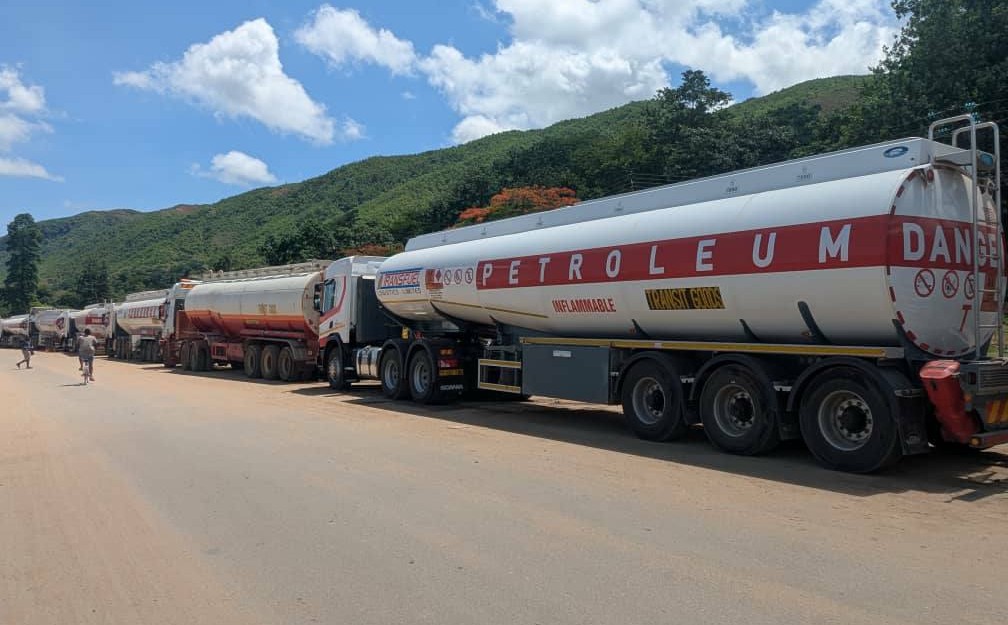
A long-running dispute over how Malawi buys and transports its fuel has flared up again, with local hauliers grounding their tankers in protest at what they describe as the return of a court-rejected procurement system.
Why Is Malawi Backing a Court-Banned Fuel System?
The standoff centres on the Delivery Duty Unpaid (DDU) arrangement, under which fuel suppliers are responsible for transporting petroleum from regional ports to Malawi before handing it over to local importers.
The system effectively allows suppliers to choose the transporters, a practice local operators say has opened the door for foreign hauliers to dominate the lucrative fuel transport business.
The Transporters Association of Malawi (TAM) argues that the arrangement sidelines domestic firms despite a 2024 High Court ruling that found Nocma’s use of DDU unlawful and harmful to the country’s economic interests.
In response, local fuel transporters have withdrawn their services, parking tankers across the country.
For drivers and transport companies, the dispute is about more than contracts.
Truck Drivers Association of Malawi president Francis Mkandawire says Malawian operators are being squeezed out while foreign transporters continue to benefit.
He also questions the wisdom of paying foreign firms in scarce foreign currency at a time when Malawi remains under intense forex pressure.
Economists have echoed those concerns. Christopher Mbukwa, a lecturer at Mzuzu University, argues that money flowing to foreign transporters could instead remain within the domestic economy if local firms were given the contract.
TAM spokesperson Frank Banda insists Malawi’s transport sector has the experience and capacity to handle fuel haulage, dismissing suggestions that foreign operators are needed to ensure efficiency.
For him, the issue is whether government institutions are prepared to back local industry or continue relying on external operators.
The dispute comes as consumers are already grappling with recurring fuel shortages and supply disruptions.
Consumers Association of Malawi president John Kapito says the crisis has imposed significant costs on households and businesses, adding urgency to calls for a lasting solution.
At stake is not merely a procurement model but a broader question about economic policy: whether Malawi should prioritise local participation in strategic sectors or continue with arrangements that critics say export jobs, contracts and foreign exchange.
Hauliers estimate that the DDU system costs taxpayers billions of kwacha in additional premiums, a claim that is likely to come under renewed scrutiny as the controversy returns to the spotlight.
Nyasa Times