Zimbabwe is intensifying efforts to mobilise financing to clear its longstanding arrears to international financial institutions (IFIs) by March 2027, with Government engaging the World Bank and other potential international partners to secure funding for the process.
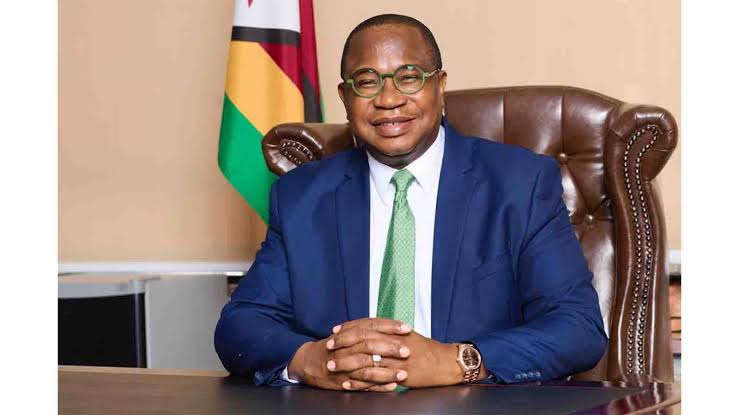
Finance, Economic Development and Investment Promotion Minister, Professor Mthuli Ncube said Government was pursuing concessional financing as its preferred option, while keeping commercial borrowing as an alternative to ensure that the arrears clearance target is achieved.
In a November 10 letter to World Bank Managing Director of Operations Anna Bjerde, Prof Ncube said the Government remained committed to ending the country’s 26-year exclusion from international development financing.
“The people of Zimbabwe have been shut out of development financing for 26 years, and the Government is resolute in its goal of clearing its arrears to IFIs by end-March 2027, even in the event that full concessional financing is not available,” he said.
Zimbabwe’s public debt stood at US$21.7 billion as at June 2026, including US$11.7 billion owed to external creditors. Arrears and penalties account for US$8.3 billion of the external debt.
As part of the financing mobilisation drive, Government plans to engage potential partners in London, Paris and Berlin this month, while also pursuing discussions with Algeria, to secure a bridging loan to support the arrears clearance programme.
A bridging loan would provide short-term funding to meet immediate obligations as Government works towards securing more affordable, longer-term financing.
Prof Ncube said Zimbabwe was prepared to explore commercial financing to cover any shortfall should concessional resources prove insufficient.
“If full concessional financing is not available, the Government of Zimbabwe will resort to commercial financing to fill any remaining gap,” he said.
The arrears clearance programme is a key step towards restoring Zimbabwe’s access to international development finance after more than two decades, potentially unlocking fresh resources for infrastructure development, energy and other strategic national projects.
Re-engagement with international financial institutions would also help ease pressure on the national budget, which has increasingly financed development projects using domestic resources.
The financing initiative underscores Government’s determination to resolve the longstanding debt challenge and create greater fiscal space for accelerated economic development.