More than 60% of public submissions have been incorporated into the 2027 National Budget, highlighting Government’s efforts to align fiscal priorities with citizens’ needs and stakeholder expectations.
The findings were presented by the Parliamentary Portfolio Committee on Budget, Finance and Investment Promotion during a post-budget engagement for legislators held at the New Parliament Building in Mt Hampden, on Monday.
The engagement provided legislators with an opportunity to scrutinise the proposed fiscal framework, assess its responsiveness to public concerns and examine how the proposed allocations support national economic development.
Committee chairperson, Lincoln Dhliwayo, said the incorporation of most public proposals demonstrated a commitment by relevant stakeholders to address the needs of the nation.
“It is encouraging to note that most of the proposals are included in this budget, reflecting commitment by relevant stakeholders to respond to the needs of the nation. This budget has done a lot on social services, so it is incumbent for us to further assess its proposals ahead of the major debates,” he said.
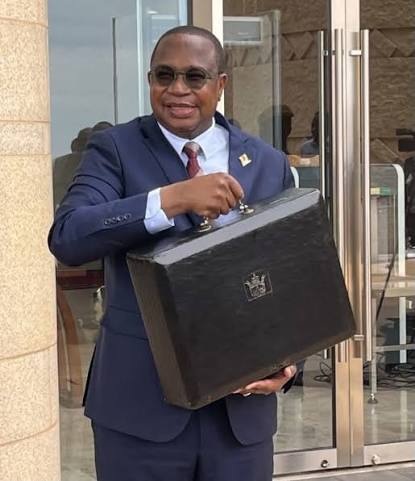
Chairperson of the Parliamentary Portfolio Committee on Defence, Home Affairs and State Security, Exevia Maoneke, said Finance Minister, Professor Mthuli Ncube, had made efforts to strike a balance between Government revenue and expenditure while addressing citizens’ needs.
“The Minister of Finance tried his best to balance spending and revenues, so let’s see how it will be approved, but to me, it’s a people-oriented national budget,” she said.
Parliamentary Budget Consultant, Sakhile Sifelani Ngoma, highlighted the allocation of resources towards the Six-Pillar Drought Mitigation Strategy, emphasising the need for Treasury to remain focused on achieving the intended outcomes.
“They have committed some funds to that cause; furthermore, the six-pillar plan underscores the need for the Treasury to continuously focus on the positive outcomes from this fiscal plan,” she said.
Deputy Speaker of Parliament, Tsitsi Gezi, said the timely engagement reflected legislators’ commitment to examining the budget and ensuring that its proposals serve the interests of citizens.
She noted that the meeting, held just days after the budget presentation, provided an opportunity for parliamentarians to evaluate the proposed interventions before the commencement of major debates.
“The meeting being held today just comes a few days after the budget was unveiled; it is a true reflection of legislators’ commitment to evaluate its proposals and further assess it for the benefit of the citizenry,” she said.
Professor Ncube presented the 2027 National Budget on November 19, proposing expenditure of ZiG358.3 billion against projected revenue of ZiG349.5 billion.
The fiscal plan also provides for a contingent allocation of ZiG10.9 billion to cushion the economy against severe external and climate-related shocks, particularly the anticipated El Niño-induced drought.
The incorporation of public submissions places stakeholder participation at the centre of the budget formulation process, while parliamentary scrutiny will be critical in ensuring that proposed allocations translate into tangible improvements in service delivery and national development.