The National Railways of Zimbabwe (NRZ) is banking on the 2027 National Budget to accelerate its revival, with Government prioritising railway infrastructure rehabilitation and rolling stock refurbishment to reduce transport costs and ease pressure on the country’s roads.
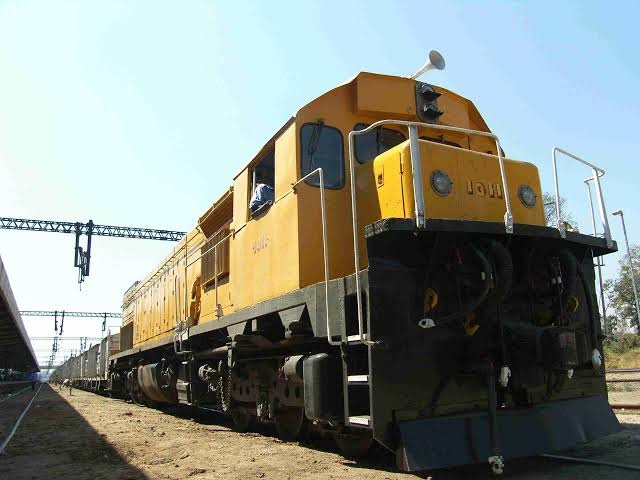
In a post on its X handle, on Sunday, NRZ outlined efforts to restore operations, including the refurbishment of three locomotives and rehabilitation of 520 wagons through a US$6 million Mutapa Investment Fund facility.
The parastatal is also negotiating US$115 million in funding from the African Export-Import Bank (Afreximbank), while a proposed agreement with Grand Rail Solutions could add 21 locomotives and 1 200 wagons, increasing freight capacity by 1,7 million tonnes.
Government has reaffirmed its commitment to the sector in the 2027 National Budget statement, saying: “Government is committed to reducing the cost of transportation by upgrading the rail infrastructure.”
It acknowledged that progress had been mixed due to resource constraints but said it remained committed to rehabilitation and refurbishment.
“Government remains committed and seized with the key priorities needed to be implemented in the short to medium term targeting infrastructure rehabilitation and rolling stock refurbishment through a combination of fiscal support, loan financing and public private partnerships among others,” the statement reads.
Several regional railway projects are also progressing. The proposed 311-kilometre railway line linking Lion’s Den to Kafue in Zambia follows a memorandum of understanding signed by the two countries in 2026.
The Mutare-Harare railway line rehabilitation is almost 80% complete, while the Machipanda-Beira upgrade has been commissioned. The Plumtree-Dabuka-Chicualacuala line is almost 35% complete.
NRZ has also secured a US$2,8 million arrangement with ZIMASCO for three locomotives and 100 wagons, while another agreement with Grand Rail Solutions targets servicing Dinson Mine.
A revitalised railway network could lower freight costs, improve industrial competitiveness and reduce heavy truck traffic, easing pressure on roads while potentially making goods more affordable for consumers.