
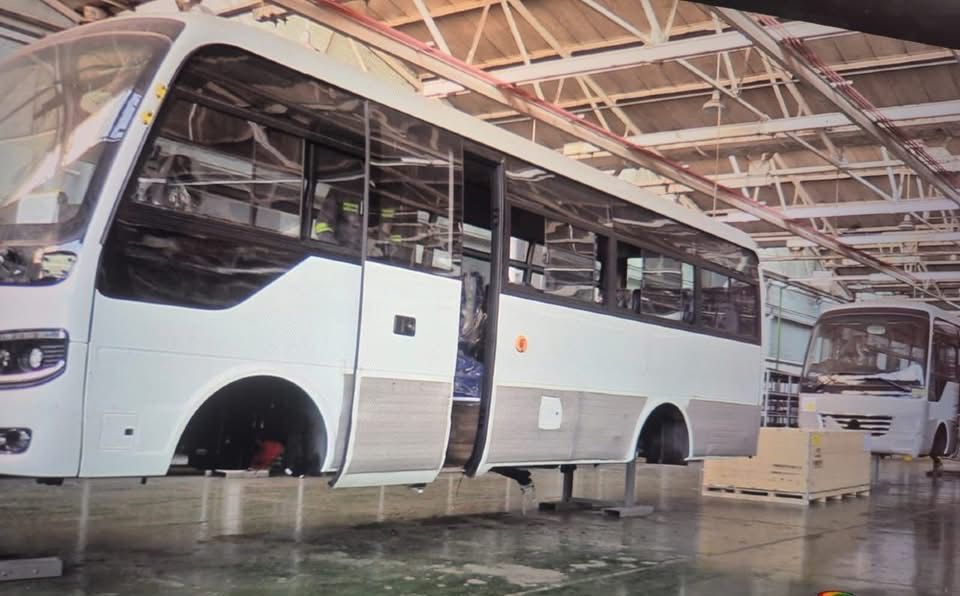
Century Auto Assembly’s US$10 million vehicle assembly plant in Mt Hampden is set to commence production after reaching 99 percent completion, marking a significant milestone in Zimbabwe’s efforts to develop a local automotive manufacturing industry.
The project, which began in February 2025, is expected to strengthen the country’s industrialisation drive and position Zimbabwe as an emerging player in regional vehicle manufacturing.
In a statement issued yesterday, Century Auto Assembly said the facility was in the final stages of development following the successful installation of critical testing equipment required for vehicle production.
“Century Auto Assembly’s US$10 million vehicle assembly plant in Mt Hampden, Mashonaland West Province, is now 99 percent complete and preparing to commence production,” the company said.
“The project, which began in February 2025, marks another step forward for Zimbabwe’s industrialisation and local vehicle manufacturing ambitions.”
The company said installation of vehicle suspension and brake testing equipment had been completed, paving the way for the start of assembly operations at the state-of-the-art plant.
“Century Auto Assembly has completed installation of vehicle suspension and brake testing equipment and is set to bring its regional assembly expertise from Nigeria, Ghana and Egypt to Zimbabwe,” the statement said.
Operating under Bronzepels Investments, Century Auto has extensive experience in vehicle assembly across Africa, having assembled several vehicle brands in other markets.
“Operating under Bronzepels Investments, Century Auto has assembled brands including Ford Ranger, JMC, Toyota and GSC models in other African countries,” the company said.
The plant’s location in Mt Hampden, an area undergoing rapid infrastructure development, is expected to attract further investment and stimulate economic activity in Mashonaland West Province.
The near-completion of the facility comes as Zimbabwe intensifies efforts to promote local production, import substitution and value addition as part of its broader economic transformation agenda.



This is a major milestone that Zimbabweans have been eagerly anticipating. The near completion of Century Auto Assembly’s US$10 million vehicle assembly plant is a clear sign that the country’s industrialisation agenda is gaining momentum
The project could also attract additional investment into Mt Hampden and strengthen Zimbabwe’s position within the regional automotive industry. However, the long-term success of the plant will depend on sustained demand, competitive production costs, reliable electricity supply, and the ability to increase local component manufacturing rather than relying heavily on imported parts. Without strong local content development and supportive market conditions, the economic benefits may be limited, making it essential for policymakers and industry stakeholders to build a complete automotive value chain that maximises value addition within Zimbabwe.
Excellent news for the economy! The near-complete US$10 million Century Auto Assembly plant in Mt Hampden will create jobs, promote import substitution, value addition and stimulate economic activity in Mashonaland West. This strengthens Zimbabwe’s industrial base and manufacturing capacity.