
The Government has begun integrating village health workers into the Ministry of Health and Child Care payroll as part of efforts to secure their remuneration and strengthen primary healthcare delivery in rural communities.
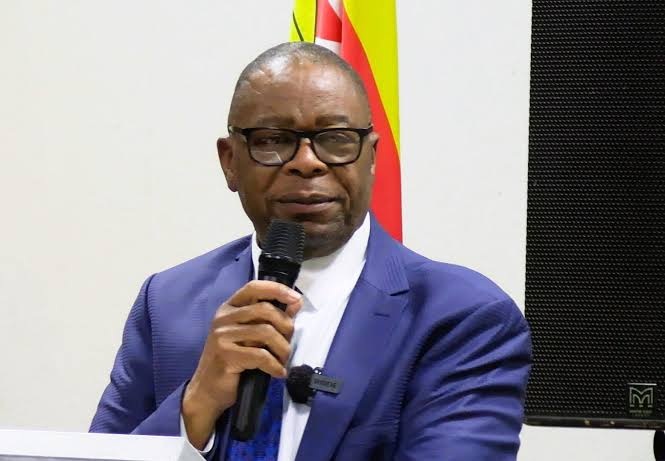
Speaking in Bulawayo, yesterday, Health and Child Care Minister, Dr Douglas Mombeshora, said Treasury had approved posts for the workers, allowing the ministry to begin the process of bringing them onto the Government payroll.
The move coincides with an increase in monthly allowances from US$14 to US$35, with the Government targeting US$80 in the coming period and US$100 by 2030.
“We have agreed that all of them will be taken on board by the Ministry of Health, and we have already had posts offered by Treasury and we have started taking them on board,” Dr Mombeshora said.
He said that Government intended to progressively improve the workers’ remuneration in recognition of their contribution to delivering essential healthcare services at community level.
“We still think that we should work it upwards to US$80 and by 2030 to US$100,” he said.
Village health workers serve as a vital link between rural communities and formal healthcare facilities, particularly in remote areas where residents face difficulties accessing clinics and hospitals.
Their duties include identifying people with minor illnesses and referring them for medical attention, monitoring pregnant women and encouraging them to register for antenatal care and access appropriate delivery services.
They also assist in identifying and following up patients with chronic conditions, while supporting disease prevention, health education and the early detection of illnesses.
Dr Mombeshora said the workers remained indispensable to the country’s primary healthcare programme despite not being permanently employed.
“They work at the village level, but they are very important carriers in terms of implementing our primary healthcare,” he said.
He said transferring their remuneration to the Government payroll would reduce dependence on external funding and provide greater certainty for the community-based health workforce.
“The health workers are now going to be on Government payroll. We are not going to have any health worker on payroll from our donors,” he said.
The minister added that development partners seeking to assist the health sector would be expected to channel their support through the Ministry of Health and Child Care rather than directly financing individual health workers.
“If donors want to bring money to assist, then they bring the money to the Ministry of Health, but not going directly to any health employee,” he said.
The initiative is expected to strengthen Government responsibility for financing frontline healthcare services while improving the welfare of village health workers, whose work is particularly important in underserved rural communities.