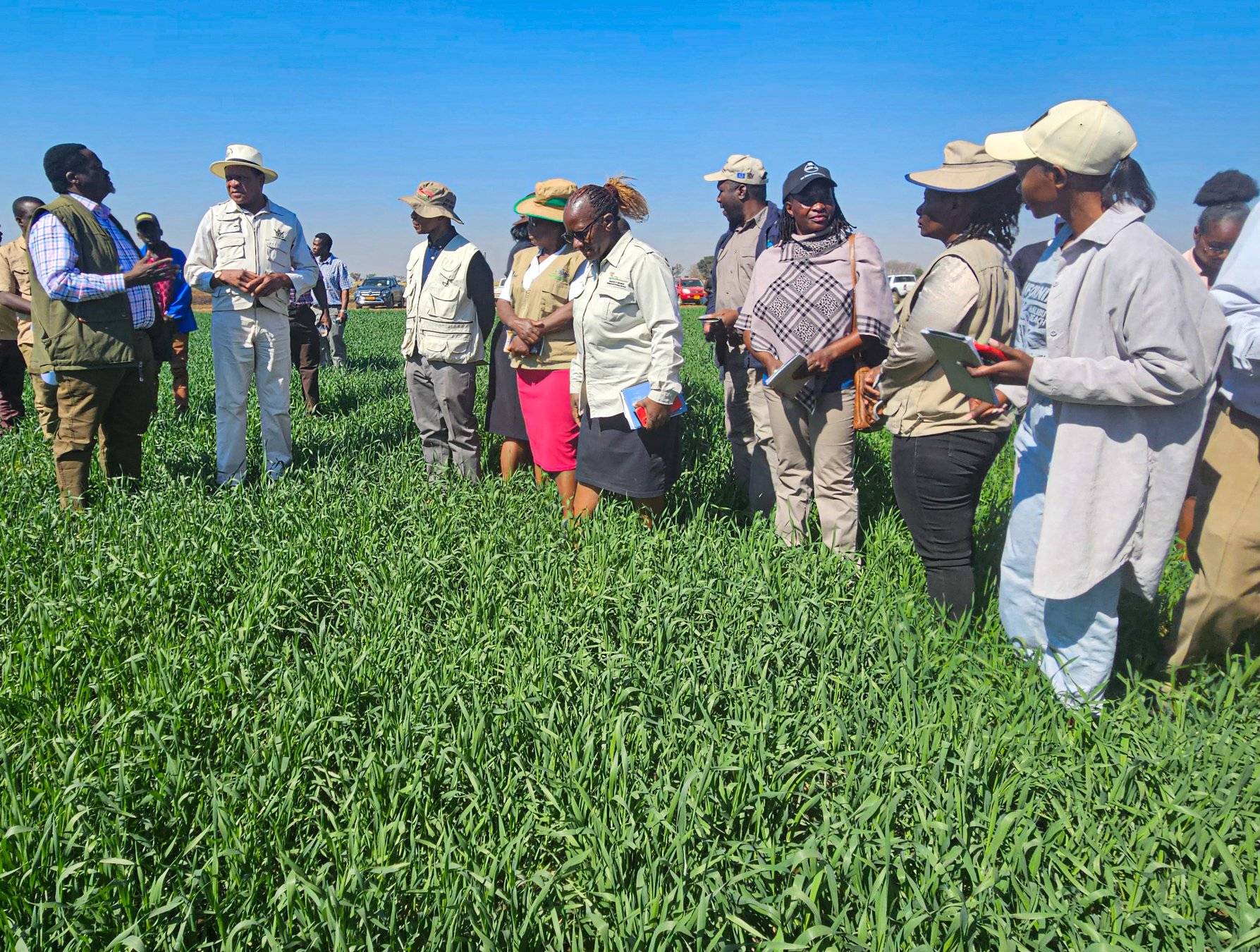
WWF Zimbabwe, in partnership with the Global Methane Hub, has rolled out a groundbreaking satellite-guided Decision Support Tool (DST) aimed at supporting livestock farmers in Binga District with real-time pasture monitoring and grazing management.
The DST, developed under the Time2Graze project, uses satellite imagery to generate reports every five days on the availability of grazing pasture across the region.
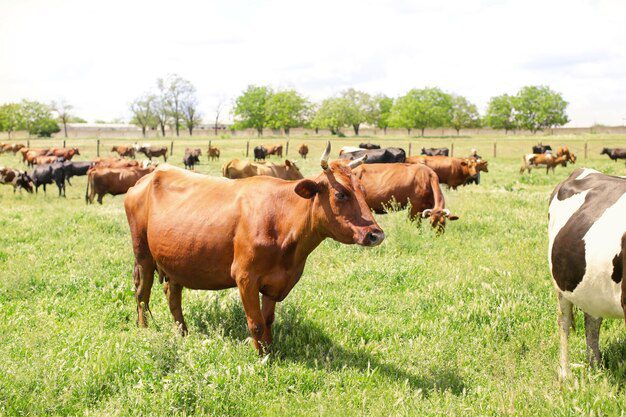
The tool is designed to assist farmers in determining the optimal time and place to graze their livestock — a move expected to enhance animal nutrition, increase productivity, and reduce methane emissions caused by inefficient feeding practices.
Speaking during the launch, WWF Zimbabwe Project Lead Mr Hlengani Dube said the tool would empower smallholder farmers with critical information to improve livestock health and grazing patterns.
“Smallholder farmers in Binga are expected to improve their pastures through better grazing management practices. The DST will help reduce overgrazing, improve nutrition, and contribute to climate mitigation by cutting down livestock-related methane emissions,” he said.
The DST tracks pasture biomass on a 10 m x 10 m scale using satellite imagery and processes the data into user-friendly reports that can be accessed locally.
The tool forms part of a broader initiative being piloted in Africa and Latin America, supported by several research and technical institutions, including the International Centre for Tropical Agriculture (CIAT), Uruguay’s National Agricultural Research Institute (INIA), and the World Resources Institute (WRI).
In Zimbabwe, the project includes local collaboration with the Department of Livestock Production and Development (LPD), Lupane State University, Shangani Holistic Ranch, and traditional leadership structures in Binga.
Farmers in the target areas have welcomed the development, citing persistent challenges of pasture shortages, unpredictable rainfall patterns, and overgrazing.
“In the past, we have walked long distances only to find that the grass is already gone. If this tool tells us where the pasture is still good, we can avoid wasting time and help our cattle feed better,” said Simon Munkuli, a livestock farmer from Makwa Village.
According to WWF Zimbabwe, improving the digestibility of livestock feed by just 10 percent can result in a 20 percent reduction in methane emissions. Such outcomes align with the broader objectives of the Global Methane Hub in promoting sustainable livestock systems across the Global South.
The DST’s introduction comes at a time when Zimbabwe, like many other countries, is grappling with the twin challenges of food security and climate change.
In rural communities such as Binga, livestock remain a critical economic and cultural asset. However, poor grazing practices and climate-induced pasture losses have threatened both productivity and environmental sustainability.
Through the Time2Graze initiative, WWF Zimbabwe and its partners hope to demonstrate the value of real-time data and technology-driven solutions in transforming traditional livestock systems.
The DST will undergo further adaptation based on feedback from farmers and is expected to be scaled up if successful.