The International Monetary Fund has approved a new 10-month Staff-Monitored Programme (SMP) for Zimbabwe, marking a significant endorsement of the country’s ongoing economic reform agenda and macroeconomic stabilisation efforts.
Approved on April 16, the non-financing programme is designed to consolidate recent economic gains, strengthen policy implementation and support Zimbabwe’s re-engagement with the international financial community.
The development comes as Zimbabwe records notable macroeconomic progress, highlighted by a sharp decline in inflation. Annual inflation dropped to 4.4 percent in March 2026, driven by exchange rate stability, tight monetary policy and improved fiscal discipline.
Under the SMP, authorities are expected to maintain prudent budget execution, strengthen cash and expenditure controls, and sustain monetary discipline. The programme also emphasises governance reforms aimed at enhancing transparency and containing fiscal risks, while reinforcing social protection systems through initiatives such as the Zimbabwe Social Registry.
Economist Professor Gift Mugano said the IMF’s decision sends a strong signal to international investors and financial institutions.
“The IMF will be certifying to the global community that Zimbabwe’s policy reforms are moving in the right direction. This enhances confidence in the economy and validates the success of the country’s economic policies,” he said.
Economic analyst Malone Gwadu said the programme reflects growing confidence in Zimbabwe’s policy trajectory.
“The stable macroeconomic environment currently obtaining is a result of far-reaching reforms, as reflected in exchange rate stability, low inflation and fiscal discipline. This is a clear vote of confidence in the policy framework under the Second Republic,” he said.
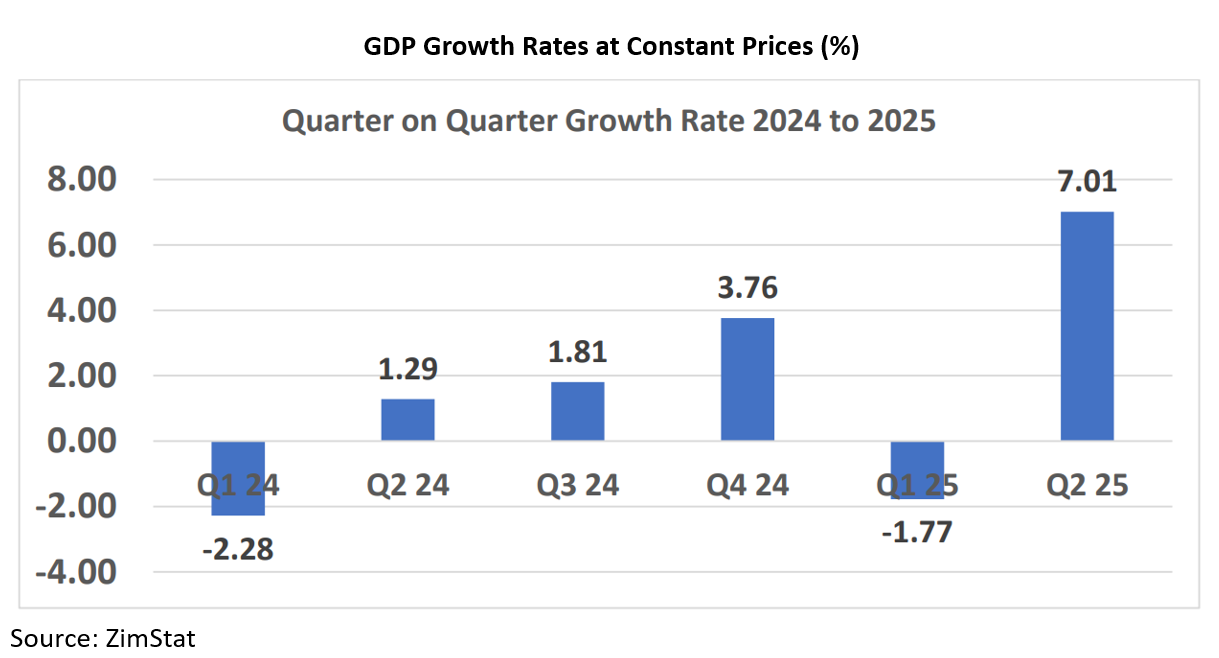
The IMF noted that Zimbabwe’s economic recovery remains on a firm footing, supported by strong performances in agriculture and mining, alongside favourable commodity prices and increased output in gold, platinum and lithium. Economic growth is projected at around 5 percent in 2026, with the current account expected to remain in surplus.
Although the SMP does not provide immediate financial assistance, it is designed to help Zimbabwe build a credible reform track record. This is expected to pave the way for eventual arrears clearance, debt restructuring and potential access to concessional external financing.
The programme represents Zimbabwe’s first IMF Staff-Monitored Programme in several years and is widely viewed as a crucial step towards restoring international financial confidence and unlocking future funding opportunities.