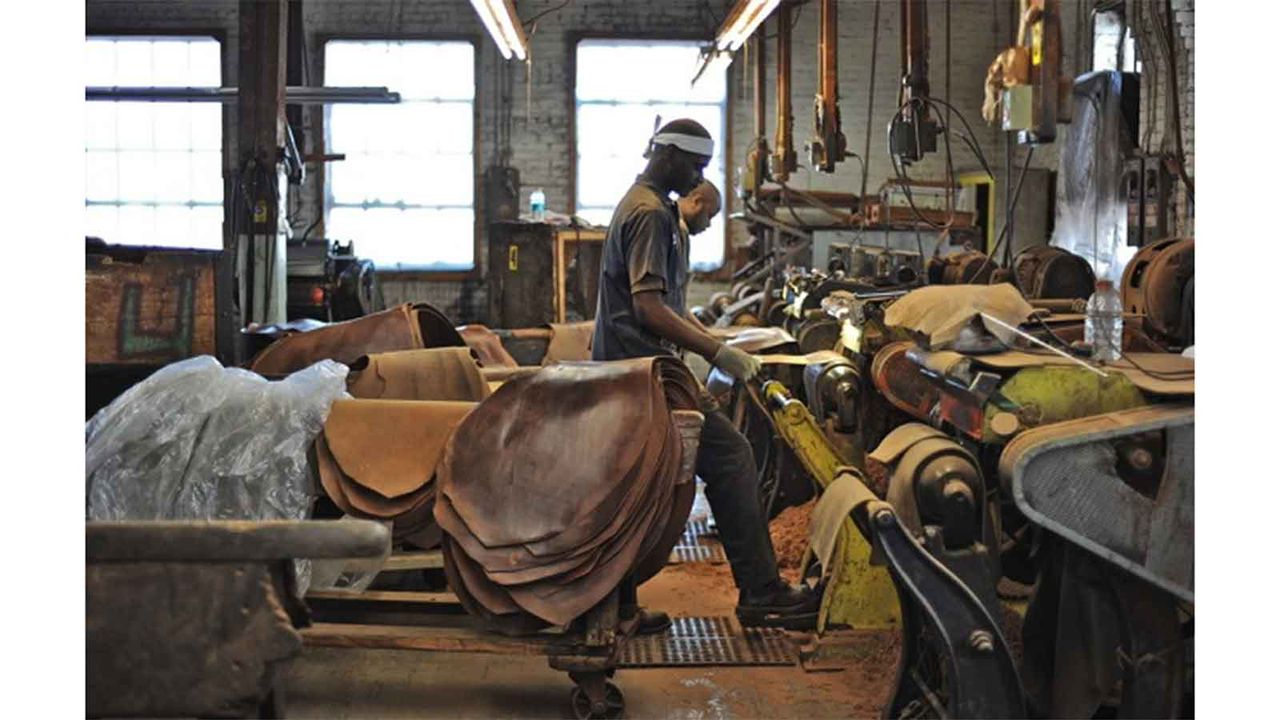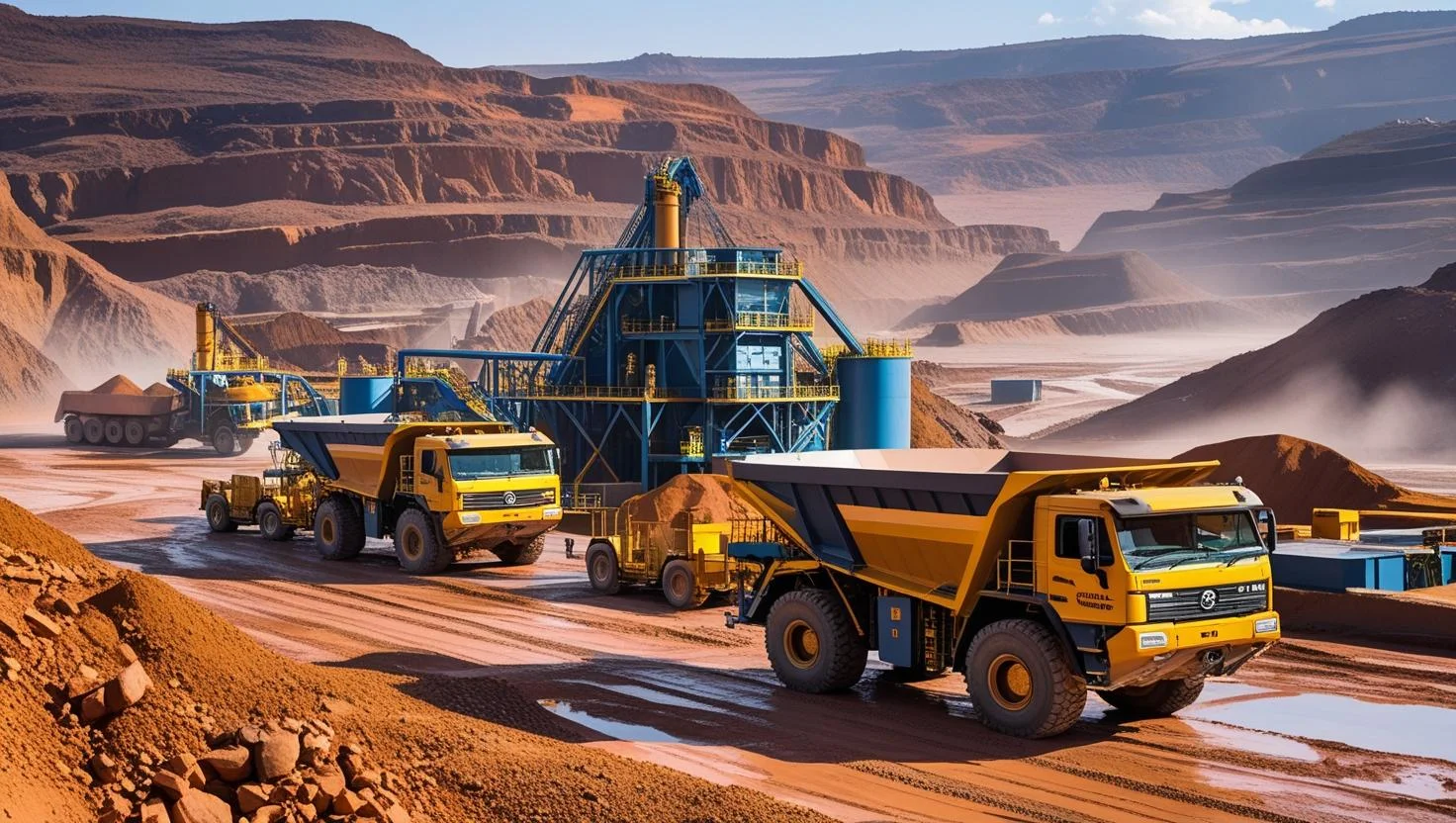
Government has intensified its push to transform Zimbabwe’s mining sector from a raw mineral exporter into a value-driven industry anchored on beneficiation, as part of broader efforts to accelerate industrialisation and economic growth.
The focus came into sharp view yesterday during an oral evidence session, where the Parliamentary Portfolio Committee on Mines and Mining Development engaged the Ministry over issues raised in the Auditor-General’s 2025 budget report. The committee sought clarity on procurement systems, human capital development, beneficiation efforts and the sector’s contribution to the economy amid growing concern over funding constraints.
Leading the engagement, Parliamentary Portfolio Committee on Mines and Mining Development Chairperson Remigio Matangira emphasised the importance of accountability and transparency in the mining sector.
“Oral evidence sessions are conducted to ensure accountability and transparency in the sector. From the 2025 Auditor-General’s report, we have noted discrepancies within the Ministry, particularly the gap between budget allocation and disbursement of funds,” he said.
He added that the committee would push for urgent intervention to address the funding challenges.
“As the committee responsible, we will advocate for this issue to be resolved so that the Ministry can effectively perform its obligations,” he said.
Responding to the concerns, Permanent Secretary in the Ministry of Mines and Mining Development, Pfungwa Kunaka acknowledged that delayed Treasury disbursements have negatively affected operations across the sector.
“As one of the key ministries anchoring the country’s economic development, we have been facing several challenges highlighted in the Auditor-General’s report, including procurement delays caused by non-payment of suppliers due to delayed Treasury disbursements,” he said.
He explained that mining operations are highly dependent on modern technology, making timely procurement critical.
“The sector is enabled by technological innovation, and without timely procurement, mining operations cannot progress effectively,” he added.
Pfungwa Kunaka also pointed to environmental compliance and workforce development as key areas requiring sustained investment.
“Environmental issues are governed by both local and international regulatory frameworks, while human capital development is critical in ensuring a skilled and capacitated workforce across all levels,” he said.
Despite these challenges, the Ministry reaffirmed its commitment to advancing value addition and beneficiation across more than 60 mineral types found in Zimbabwe. The mining sector remains a major contributor to the economy, accounting for over 12 percent of Gross Domestic Product while playing a crucial role in attracting investment, formalising small-scale mining and boosting foreign currency earnings.
Stakeholders agree that addressing funding gaps, improving procurement efficiency and investing in skills development will be key to unlocking the sector’s full potential. With the right support, Zimbabwe’s mining industry is poised to become a powerful driver of industrial growth and economic transformation.