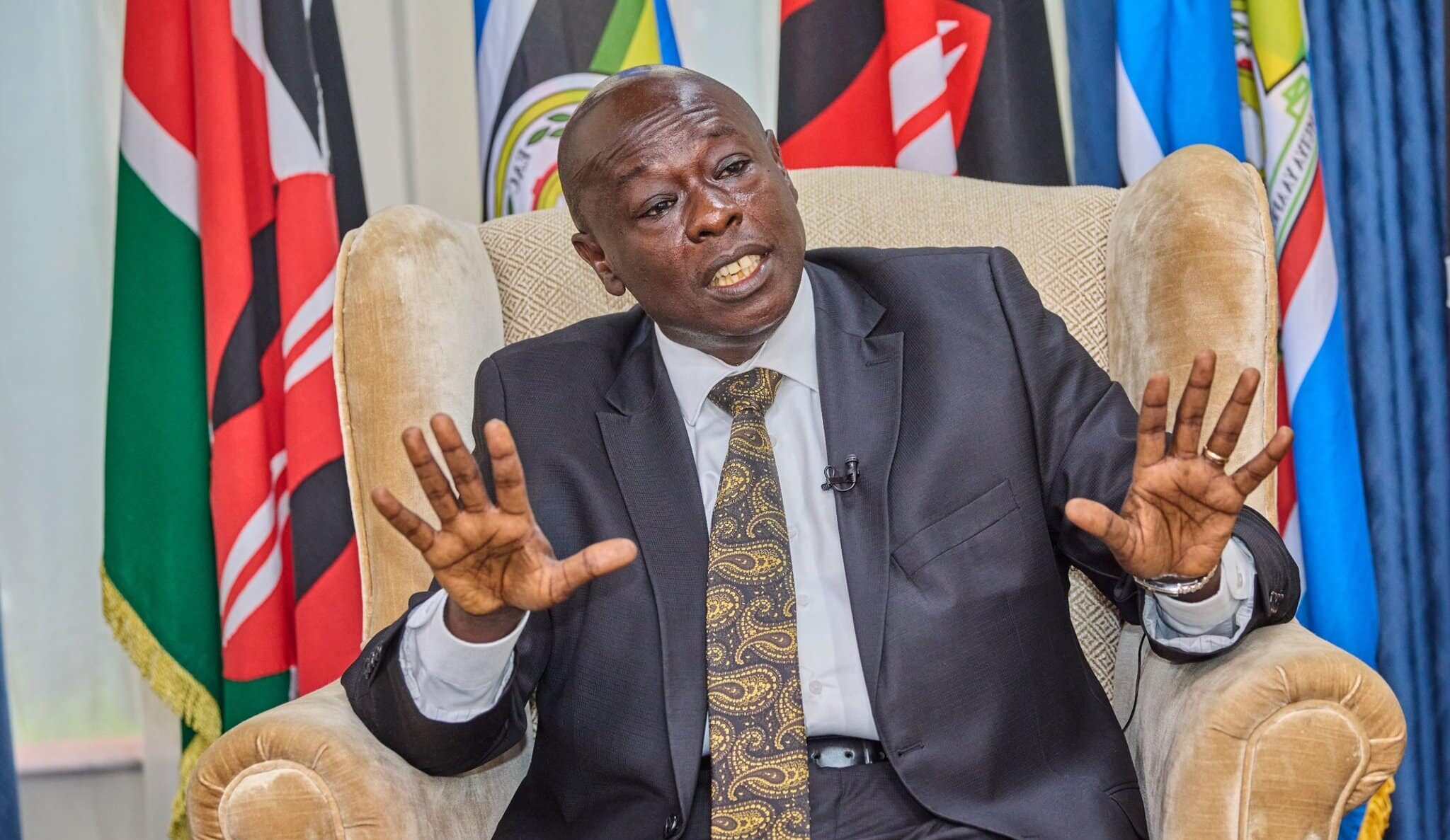
Kenyan politician and Democracy for Citizens Party (DCP) leader Rigathi Gachagua is no longer seeking reinstatement as deputy president following his impeachment in October 2024. Gachagua, through his legal team led by senior counsel Paul Muite, clarified his stance during the hearing of his impeachment case at the Milimani Law Courts on Monday, April 27.
What does Gachagua want compensation for?
Before Justices Eric Ogolla, Anthony Mrima, and Freda Mugambi, Gachagua’s lawyers informed the three-judge bench that the amended petition now seeks compensation and declarations of unconstitutional and illegal impeachment proceedings, rather than his reinstatement to the high office.
“The petitioner has abandoned the prayer for reinstatement as deputy president,” he stated. Muite told the court that the vocal politician is seeking compensation for remuneration he would have earned, damages, and loss arising from what he termed an unlawful and procedurally flawed removal from office. Gachagua argued that the process was unconstitutional, irregular, and failed to meet the threshold of public participation as required by law.
Was Gachagua’s impeachment process flawed?
Speaking on his behalf, Muite argued that the public participation exercise was not meaningful because the public was presented with allegations of wrongdoing without adequate facts or balanced information to form informed opinions. Senior counsel Paul Muite claims former DP Rigathi Gachagua was unconstitutionally impeached.
He argued that all the evidence and allegations presented in the impeachment motion at the National Assembly did not also meet the constitutional threshold of ousting the former deputy president. “The allegations and evidence in the impeachment motion at the National Assembly simply did not meet the constitutional threshold of Article 145 (1). They must expressly state that the alleged violation is gross and give particulars of the alleged gross violations. Whatever is alleged must be serious, substantial, and weighty. There must be a nexus between the person to be impeached and the alleged gross violations of the constitution,” Muite argued.
He added that the allegations were ‘vague, lacking in detail, and wholly unfounded.’ Muite asserted that the entire impeachment process was designed to avoid scrutiny and accountability, with the intention of running the process through before it could be audited for constitutional compliance. The lawyer criticised the Senate for proceeding to vote to remove Gachagua from the office based on ‘unverified’ allegations.
Did Gachagua fall ill during impeachment?
Meanwhile, Muite slammed the Senate for ousting the DCP leader while he was critically ill at the Karen Hospital. The counsel argued that Gachagua was ready to cooperate throughout the process until he suddenly fell ill. He expressed disappointment over the senator’s rejection of their three-day plea for adjournment, stating that no valid reason was provided. The second and third hearings are scheduled for May 7 and 8, respectively.