China’s total investment in Zimbabwe has reached approximately US$10 billion, cementing Beijing’s position as the country’s largest source of foreign capital, Chinese Ambassador to Zimbabwe Zhou Ding has revealed.
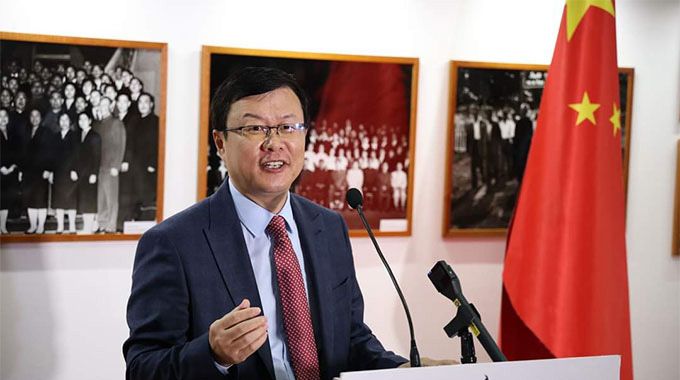
Speaking at the 2026 Zimbabwe Business Hall of Fame Induction Ceremony and Awards Presentation in Harare last week, Ambassador Zhou detailed the depth of economic cooperation between the two nations, highlighting major infrastructure developments, record trade volumes and large-scale industrial projects that collectively sustain around one million Zimbabwean jobs.
“For many years, China has been Zimbabwe’s largest source of foreign investment, with total investment by Chinese enterprises reaching approximately 10 billion US dollars,” he told business leaders, innovators and industry executives at the event.
He further noted that bilateral trade surged to a record US$4.4 billion in 2025, describing the relationship as one that “creates one million jobs in Zimbabwe and contributes hundreds of millions of US dollars in tax revenue each year.”
Ambassador Zhou pointed to a string of landmark Chinese-funded and Chinese-invested projects that have transformed key sectors, particularly energy, transport, and technology.
“From the expansion of Kariba South and Hwange Power Stations, to the upgrading of Robert Gabriel Mugabe International Airport and the Victoria Falls International Airport, and from the establishment of the High Performance Computing Centre to the rollout of the NetOne National Mobile Broadband Project, these initiatives have injected strong momentum into Zimbabwe’s economic progress,” he said.
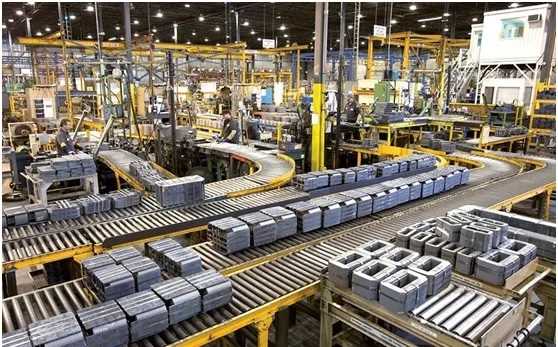
He also cited major investments in lithium processing, steel production, cement manufacturing and solar energy, saying these ventures were delivering “tangible economic benefits, including job creation, increased fiscal revenues, and significant technology transfer and skills training.”
Ambassador Zhou emphasised that the China–Zimbabwe partnership is rooted in a long-standing friendship dating back to Zimbabwe’s liberation struggle, when China provided military training, material support and diplomatic solidarity.
“Today, that bond has grown even stronger as we work together to pursue common prosperity,” he said.
Beyond large-scale infrastructure and industrial developments, he highlighted the impact of affordable Chinese products, from agricultural machinery and fertilisers to building materials, appliances and everyday consumer goods which are widely accessible across Zimbabwe. He also pointed to the success of advanced Chinese agricultural technologies such as juncao grass cultivation and high-yield maize farming, which have significantly boosted local grain output and strengthened national food security.
Ambassador Zhou said the 2026 Business Hall of Fame ceremony itself was “a vivid testament to the strong, multifaceted and high-quality cooperation between China and Zimbabwe, cooperation that empowers entrepreneurs and propels development.”
He congratulated the 11 inductees, eight Hall of Famers and three Young Champions praising them as exemplary business leaders whose work demonstrated that “the highest value of a business lies in aligning with national development and serving the well-being of the people.”
Looking ahead, the ambassador expressed optimism that China–Zimbabwe cooperation will continue to deepen, “even amid uncertainties in the evolving global landscape.”