
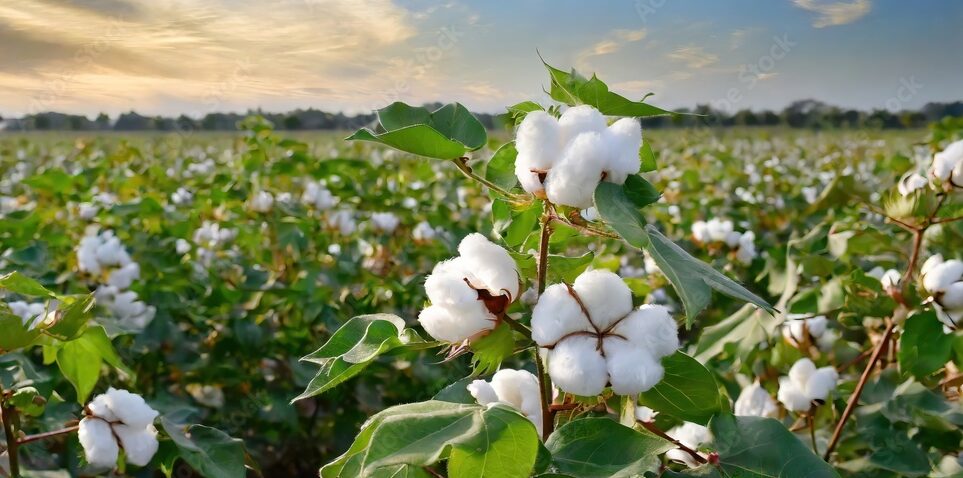
The Agricultural Marketing Authority (AMA) has officially opened the 2026 cotton marketing season, with Government announcing new minimum producer prices and stricter regulations aimed at protecting farmers and improving accountability within the sector.
In a statement yesterday, the Agricultural Marketing Authority (AMA) said the 2026 cotton marketing season officially opens on 18 May and will run until 31 July, with hundreds of buying points established across the country to facilitate smooth trading.
“Zimbabwe has launched the 2026 cotton marketing season, with Government setting minimum seed cotton prices at US$0.43/kg for Grade A, US$0.41 for Grade B, US$0.38 for Grade C and US$0.35 for Grade D,” said the AMA.
The authority said the pricing structure was meant to ensure farmers receive fair value for their produce while supporting the continued viability of the cotton sector, which remains a key source of income for thousands of rural households.
According to the AMA, a total of 173 permanent buying points and 398 mobile buying points have been approved nationwide to improve accessibility for cotton growers during the marketing season.
“The season runs from 18 May to 31 July, with 173 permanent and 398 mobile buying points established nationwide,” the authority said.
The AMA added that payments to farmers would follow the foreign currency retention framework set by the Reserve Bank of Zimbabwe.
“Farmers will be paid 70 percent in United States dollars and 30 percent in local currency under RBZ rules,” the authority said.
In a move aimed at strengthening accountability and curbing unfair trading practices, the AMA also announced stricter compliance measures for contractors and buyers handling cotton deliveries.
“Agricultural Marketing Authority also tightened regulations, directing that no cotton bales be moved before farmers receive full payment,” the authority added.
Cotton remains one of Zimbabwe’s strategic cash crops, particularly in semi-arid regions where it provides livelihoods for many communal farmers. The sector also supports the country’s textile and clothing value chains while contributing to export earnings.
Government has been implementing measures to revitalise the cotton industry as part of broader efforts to enhance agricultural productivity, rural incomes and value addition under the country’s industrialisation agenda.