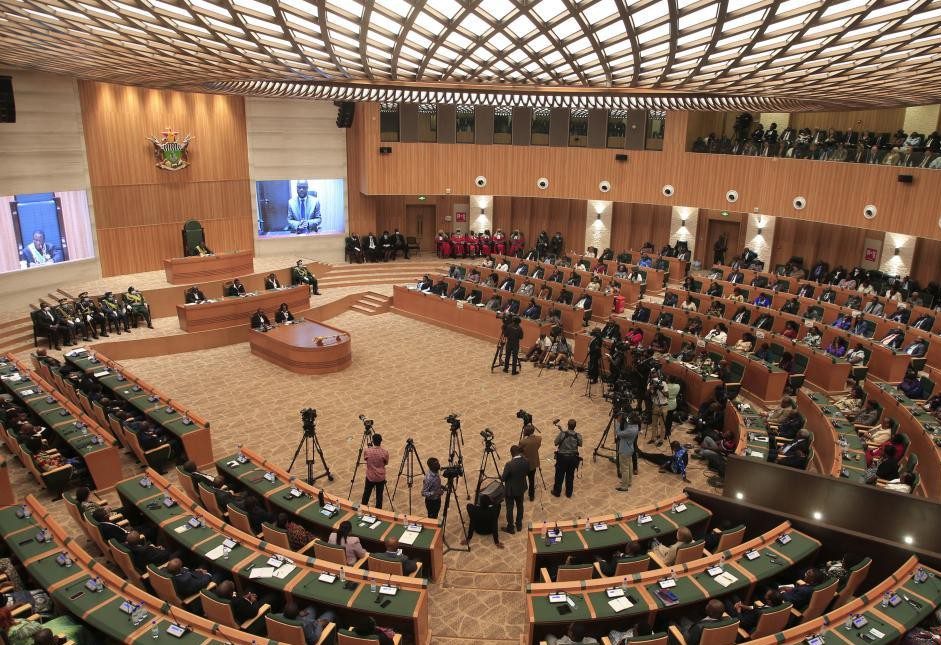
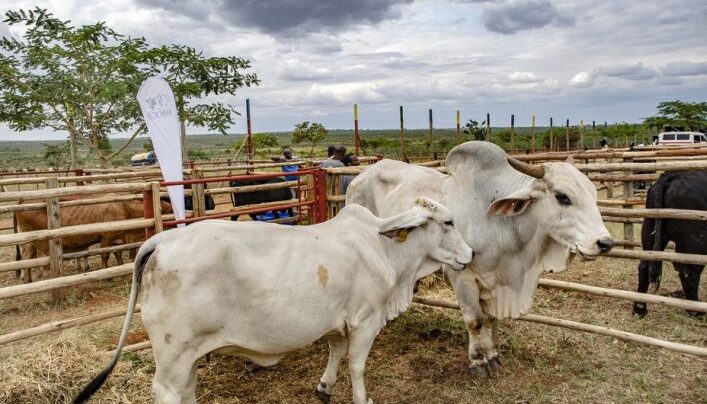
Zimbabwe is integrating indigenous animal grazing knowledge with sustainable forage systems to create a hybrid climate adaptation initiative to boost livestock production in the country.
Speaking during the second day of the International Year of Rangelands and Pastoralists (IYRP2026) commemorations in Bulawayo, Deputy Minister of Agriculture, Mechanisation and Water Resources Development, Davis Marapira, said healthy rangelands are essential for achieving Zimbabwe’s livestock growth targets and strengthening resilient food systems.
“Healthy rangelands are the foundation of sustainable livestock production, biodiversity preservation and resilient communities. Zimbabwe’s agricultural transformation agenda must place pastoralism and rangeland regeneration at the centre of food security strategies,” he said.
Marapira said Government was promoting sustainable grazing systems and holistic rangeland regeneration to improve productivity and climate resilience.
“We are integrating sustainable grazing practices, indigenous pastoralist knowledge and climate adaptation systems into national agricultural development programmes to secure the future of our livestock sector,” he said.
He also called for increased investment in rangeland mapping, grazing management systems and livestock traceability.
“Investment in rangeland restoration is not only an environmental necessity, but also an economic imperative for achieving Vision 2030,” said Marapira.
The commemorations were organised by Government in partnership with the Food and Agriculture Organization (FAO), the International Livestock Research Institute (ILRI), Shangani Holistic and the National University of Science and Technology (NUST).
Speaking on behalf of FAO, Assistant Representative for Programmes Tendai Munyokoveri said rangelands remain strategic assets for resilient agri-food systems and rural livelihoods.
“Rangelands support nearly two billion people globally and provide more than 60 percent of feed requirements for Zimbabwe’s livestock sector,” she said.
Munyokoveri warned that climate change, droughts, floods and land degradation continue to threaten pastoralist communities and grazing systems.
“There is need for urgent locally driven action, stronger partnerships and inclusive policies that empower communities as custodians of resilient landscapes,” she said.
She applauded Zimbabwe’s collaborative approach to rangeland restoration, highlighting successes recorded in Insiza District.
“The community-driven initiatives in Insiza demonstrate how sustainable rangeland management can strengthen climate adaptation, ecosystem restoration and livestock productivity,” said Munyokoveri.
Stakeholders attending the commemorations said restoring degraded rangelands and empowering pastoralist communities will play a major role in improving food security, protecting biodiversity and strengthening Zimbabwe’s climate resilience agenda under Vision 2030.