Zimbabwe’s economy remained broadly resilient during the first quarter of 2026 despite growing global uncertainty and escalating geopolitical tensions in the Middle East, Cabinet has said.
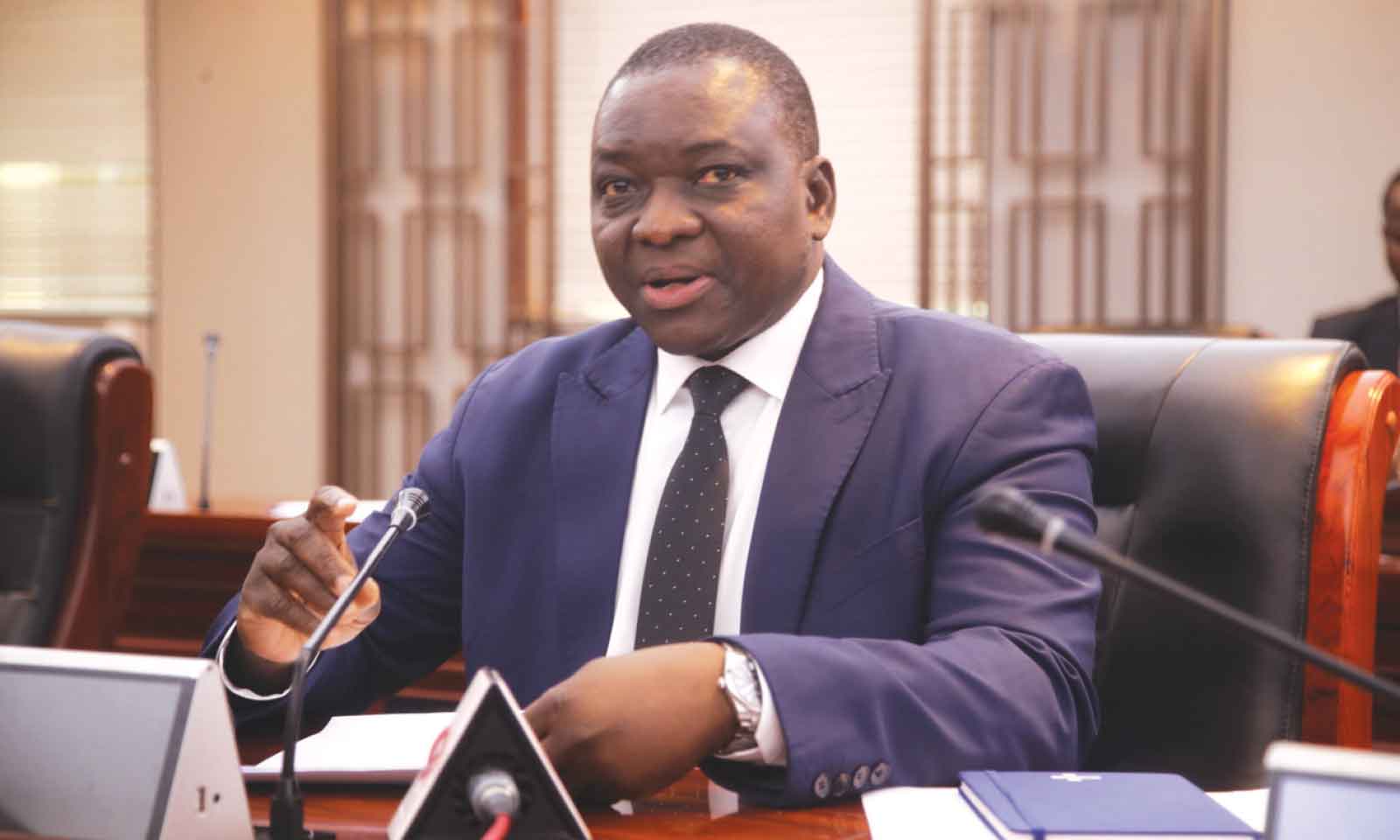
Briefing journalists after yesterday’s Cabinet meeting, the Minister of Information, Publicity and Broadcasting Services, Soda Zhemu said Cabinet had considered and noted the First Quarter 2026 Economic Developments and Outlook report presented by the Minister of Finance, Economic Development and Investment Promotion, Mthuli Ncube.
He said the global environment during the period under review was characterised by rising energy prices, commodity market volatility and tightening global financial conditions resulting from instability in the Middle East.
“The First Quarter of 2026 was characterised by elevated global uncertainty, primarily reflecting escalating geopolitical tensions in the Middle East which have contributed to higher energy prices, increased commodity price volatility and unfavourable global financial conditions,” said Minister Zhemu.
He said the developments posed downside risks to Zimbabwe’s economic outlook through pressure on the balance of payments, inflation, exchange rate instability and rising agricultural production costs due to fertiliser shortages.
“Despite these external shocks, the domestic economy has remained broadly resilient, anchored by sustained macro-economic stability, the successful rainfall season and continued policy reforms that are enhancing the ease of doing business,” he said.
Minister Zhemu said commodity markets experienced renewed upward pressure during the quarter, driven largely by disruptions to global energy supply chains.
“Increasing production and transport costs which tend to contribute to rising inflationary pressures are being managed in order to protect jobs, sustain livelihoods and cushion the general citizenry,” he said.l
Government is projecting economic growth of around five percent in 2026, supported mainly by a strong recovery in agriculture and continued growth in the mining sector.
However, authorities expressed concern over rising fertiliser prices and higher shipping and insurance costs, warning that the developments could negatively affect crop yields, food security and overall economic activity.
To cushion citizens and producers from rising fuel costs, Government has already removed some taxes on diesel.
On fiscal performance, Minister Zhemu said revenue collection and expenditure containment measures continued to strengthen public finances.
“Fiscal developments in 2026 have so far been anchored on continued revenue recovery and expenditure containment, with total revenues projected to reach US$9.4 billion against a total expenditure of US$9 billion,” he said.
Meanwhile, annual inflation continued on a downward trajectory after peaking above 90 percent in mid-2025.
Inflation declined to 4.1 percent in January 2026 before easing further to 3.8 percent in February. It, however, rose slightly to 4.4 percent in March following increases in global crude oil prices linked to the Middle East crisis.
Minister Zhemu said the sustained decline in inflation reflected the effectiveness of Government stabilisation measures aimed at containing costs and supporting economic growth.