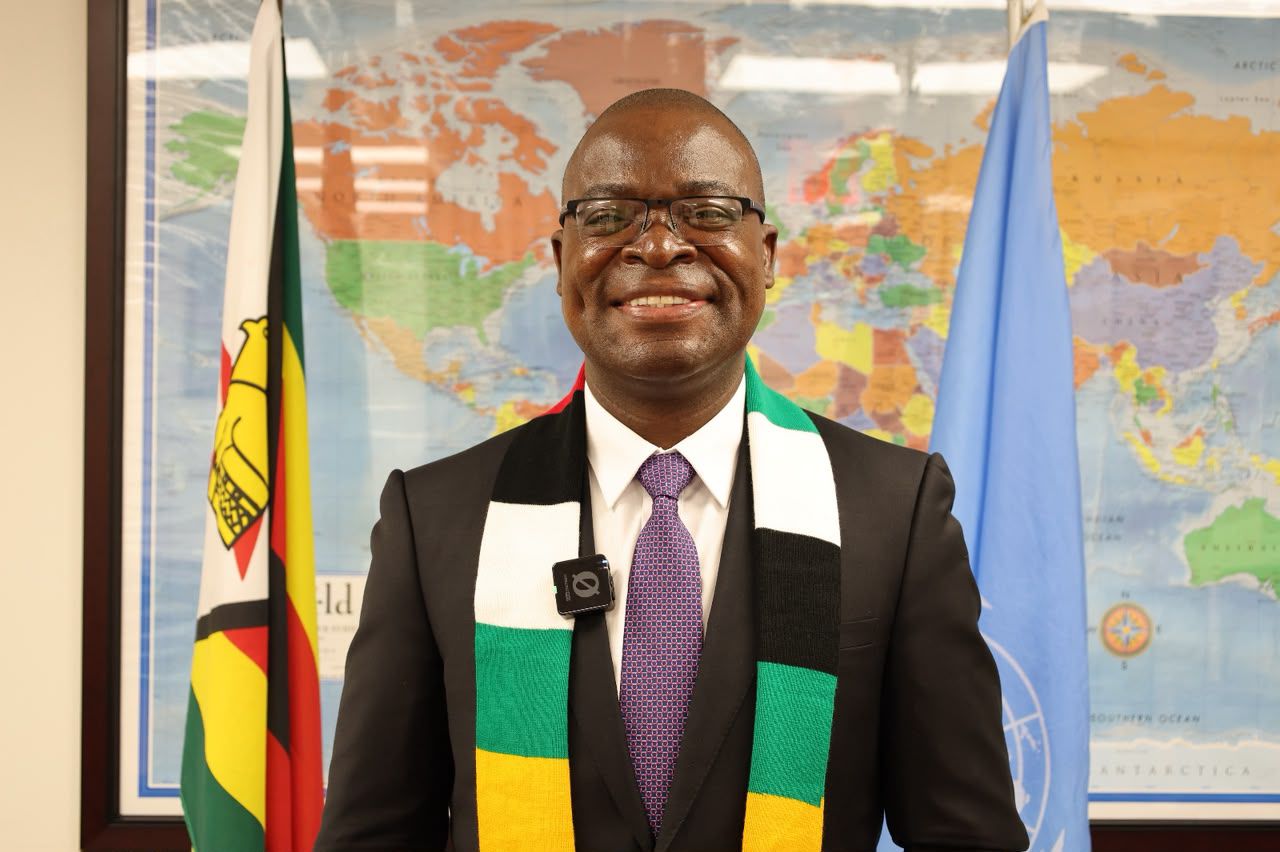
The Minister of Foreign Affairs and International Trade, Professor Amon Murwira has reaffirmed Zimbabwe’s commitment to Africa’s common position on reparations, during a high-level consultative conference on the next steps to the landmark United Nations Resolution on the Trafficking of Enslaved Africans in Accra, Ghana, yesterday.
In his address, Prof Murwira stressed that the effects of slavery and colonial exploitation continue to shape the socio-economic realities of many African nations and their descendants, making the pursuit of reparatory justice an important global issue.
“Zimbabwe remains firmly committed to Africa’s common position on reparations and restorative justice. The historical injustices of slavery, colonialism and exploitation cannot be ignored if humanity is to build a future founded on equity, dignity and mutual respect,” he said.
Prof Murwira said Africa’s call for reparatory justice was not motivated by vengeance but by the need to correct historical imbalances and foster genuine reconciliation among nations.
“Our pursuit of reparatory justice is not about retribution. It is about justice, healing, dignity and reconciliation. It is about acknowledging historical wrongs and creating pathways that enable affected communities and nations to recover from centuries of dispossession and marginalisation,” he said.
He added that meaningful dialogue and international cooperation were essential in addressing the lasting consequences of historical injustices.
“The global community must recognise that the legacy of slavery and colonialism continues to influence development trajectories across Africa and the African diaspora. Acknowledgement of these realities is a necessary step towards lasting solutions and shared prosperity,” said Prof Murwira.
The conference was convened to discuss practical steps following the adoption of the landmark United Nations resolution on the trafficking of enslaved Africans, which has intensified international discussions on reparations and restorative justice.
Zimbabwe’s participation reflects its continued support for continental efforts aimed at securing recognition of historical injustices and advancing policies that promote social and economic redress.