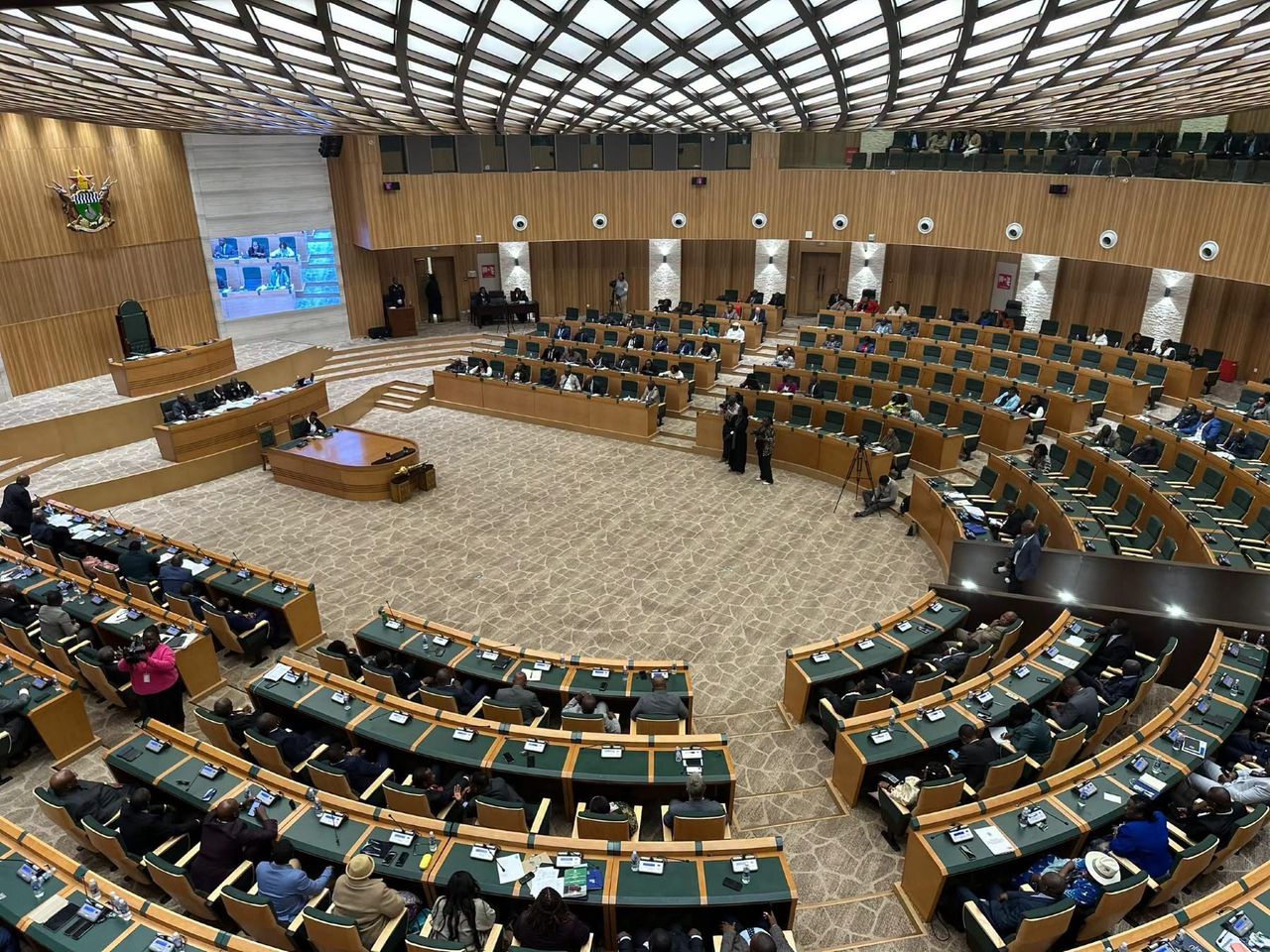
Debate on the Constitutional Amendment No. 3 Bill is expected to commence in the Senate today as the legislative process enters a critical stage following the Bill’s overwhelming approval by the National Assembly last week.
Justice, Legal and Parliamentary Affairs Minister, Ziyambi Ziyambi is expected to deliver the Second Reading speech, outlining the objectives and key provisions of the proposed constitutional changes before senators begin deliberations.
The Bill secured strong backing in the National Assembly, where 216 legislators voted in favour while 42 opposed it, comfortably surpassing the two-thirds majority required for constitutional amendments.
Following the Second Reading debate, senators will proceed to the committee stage, where the Bill will be scrutinised clause by clause before being put to a vote.
Chairperson of the Parliamentary Portfolio Committee on Justice, Legal and Parliamentary Affairs, Eddison Zvobgo Jnr, expressed optimism that the Bill would successfully pass through the Senate during the current sitting.
He said Parliament was hoping for a smooth and expeditious process similar to that witnessed in the National Assembly, although the pace would largely depend on the number of senators wishing to contribute to the debate.
According to Zvobgo, if the Senate approves the Bill without introducing any changes, it will proceed directly to the Third Reading stage before being transmitted to the President for assent. However, should senators make amendments, the Bill would have to be returned to the National Assembly for reconciliation of the changes.
Government has indicated confidence that the proposed legislation will receive the necessary support in the Upper House, arguing that extensive consultations and debate have already taken place and that legislators are familiar with its contents.
Among the major changes made to the Bill during debate in the National Assembly was the decision to retain the Zimbabwe Gender Commission as an independent constitutional body. Legislators rejected a proposal to merge its functions with those of the Zimbabwe Human Rights Commission, arguing that issues of gender equality and women’s rights required a dedicated institution.
Lawmakers also amended provisions relating to the appointment of senators. Under the revised arrangement, the President will appoint 10 senators on the basis of professional skills and competencies after consultation with Parliament.
Proposals seeking to deny voting rights to appointed senators were rejected, with Government maintaining that they should enjoy the same parliamentary rights and responsibilities as other legislators.
The National Assembly further corrected a provision that would have assigned a designated judge the responsibility of presiding over the election of a President in Parliament. The responsibility will remain with the Zimbabwe Electoral Commission.
Other significant amendments include the establishment of the office of President of the Supreme Court and adjustments to the composition of the proposed Zimbabwe Delimitation Commission. The commission’s board will now include a demographer, a cartographer and a representative from the Zimbabwe Chiefs Council.
Legislators also approved a proposal extending the population census cycle from 10 years to 14 years.
In addition, Parliament restored the constitutional function of the Zimbabwe Defence Forces to uphold the Constitution after Government accepted recommendations from opposition legislators.
The Bill also aligns the tenure of the National Assembly of Chiefs and Provincial Assemblies of Chiefs with the proposed extension of the electoral cycle from five years to seven years.
With the Bill now before the Senate, attention turns to the Upper House, where debate and voting over the coming days will determine whether the proposed constitutional changes move one step closer to becoming law.